Portable handheld vacuums have become essential tools for maintaining workspace hygiene and vehicle cleanliness, as users increasingly prioritize high-performance suction in compact, mobile-friendly designs. These devices, often categorized as mini-vacuums or desktop cleaners, utilize small-scale brushless motors to provide effective debris removal for keyboards, car interiors, and confined office spaces, according to consumer electronics industry data from the Consumer Reports vacuum buying guide.
The market for these personal-use gadgets has expanded as remote work trends persist and commuters seek efficient ways to manage interior dust and crumbs. Modern iterations of these tools often feature dual-functionality, including both vacuum suction and air-dusting blowers, which allow users to dislodge particles from mechanical keyboard switches before extracting them. This versatility is a primary driver for consumer interest in “lifestyle gadgets” that combine aesthetic minimalism with functional utility.
Performance Capabilities of Compact Cleaning Gadgets
When evaluating a handheld vacuum for desk or automotive use, the most critical specification is the motor’s rotational speed, typically measured in revolutions per minute (RPM). Higher RPMs generally correlate with stronger suction force, allowing the device to lift heavier debris like sand or small hardware components. According to standards outlined by the International Electrotechnical Commission (IEC) for small appliance testing, the efficiency of a portable vacuum is also heavily dependent on the quality of its HEPA filtration system, which prevents fine dust from being recirculated back into the air.

Most current models utilize lithium-ion battery technology, providing between 15 to 30 minutes of continuous operation on a single charge. Users should verify the charging interface; devices equipped with USB-C ports offer broader compatibility with existing laptop chargers and power banks, reducing the need for proprietary cables. It is important to note that while these devices are effective for superficial cleaning, they are not intended to replace high-wattage corded vacuums for deep-cleaning carpets or large upholstery areas.
Best Practices for Keyboard and Desk Maintenance
Maintaining a clean workspace with a handheld vacuum involves more than just surface suction. For mechanical keyboards, the most effective method involves using the blower function to clear debris from beneath the keycaps, followed by a light vacuuming of the surface. As noted by Wired, using compressed air or a specialized blower is safer for sensitive electronic components than traditional brushes, which can inadvertently push dust deeper into the switch housing.
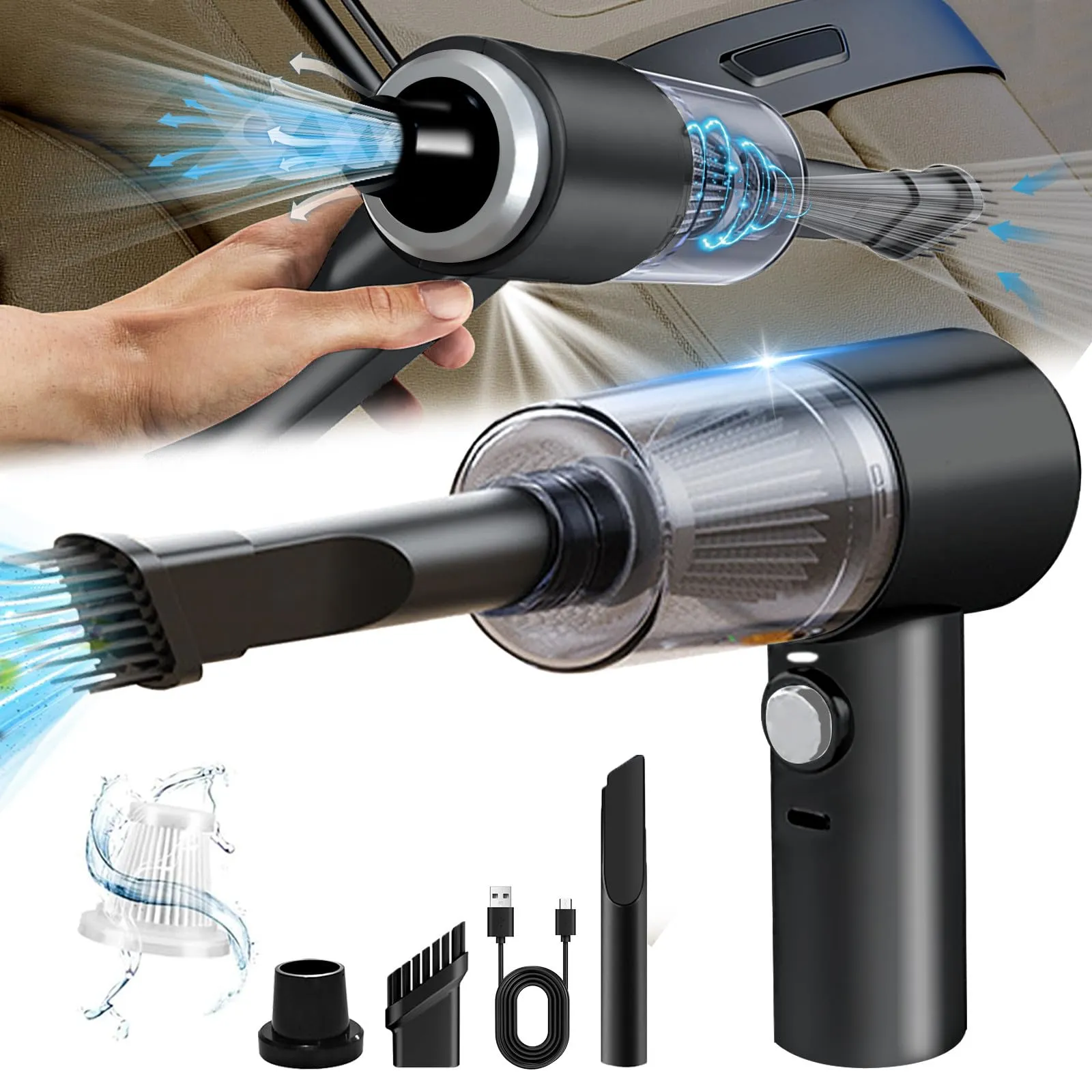
For automotive applications, the compact size of these cleaners allows for precise reach into seat crevices and air vents. However, users should be aware of the storage limitations of these units. Most handheld models have a dust cup capacity of less than 200 milliliters. Regularly emptying the debris container is necessary to maintain consistent suction power, as a full bin restricts airflow and reduces motor efficiency.
Safety and Battery Longevity
Lithium-ion batteries require specific care to ensure long-term functionality. Industry experts at Battery University advise that users should avoid fully depleting the battery before recharging, as this can degrade the chemical structure over time. Furthermore, because these devices are frequently used in vehicles, it is critical to avoid leaving them in high-temperature environments, such as a car parked in direct sunlight during summer months, which can pose a fire risk and permanently damage battery cells.
When selecting a model, look for devices that include overcharge protection circuitry. This feature automatically cuts off power once the device reaches a 100% charge, preventing the battery from overheating. Always check for safety certifications, such as UL or CE marks, which indicate that the product has undergone standard safety testing for electrical components.
Future Trends in Personal Cleaning Tech
The next generation of portable cleaning tools is expected to integrate smarter power management and more durable materials. Recent advancements in motor technology have allowed for significant reductions in noise levels, a common consumer complaint regarding earlier models. As manufacturers continue to refine these gadgets, the focus is shifting toward modular attachments—such as crevice tools with integrated LED lights—that improve the user experience in low-light conditions, such as under car seats or behind computer monitors.
If you have questions about specific device specifications or need help troubleshooting your current portable vacuum, please feel free to leave a comment below. We encourage our readers to share their experiences with different models to help the community make informed purchasing decisions.