
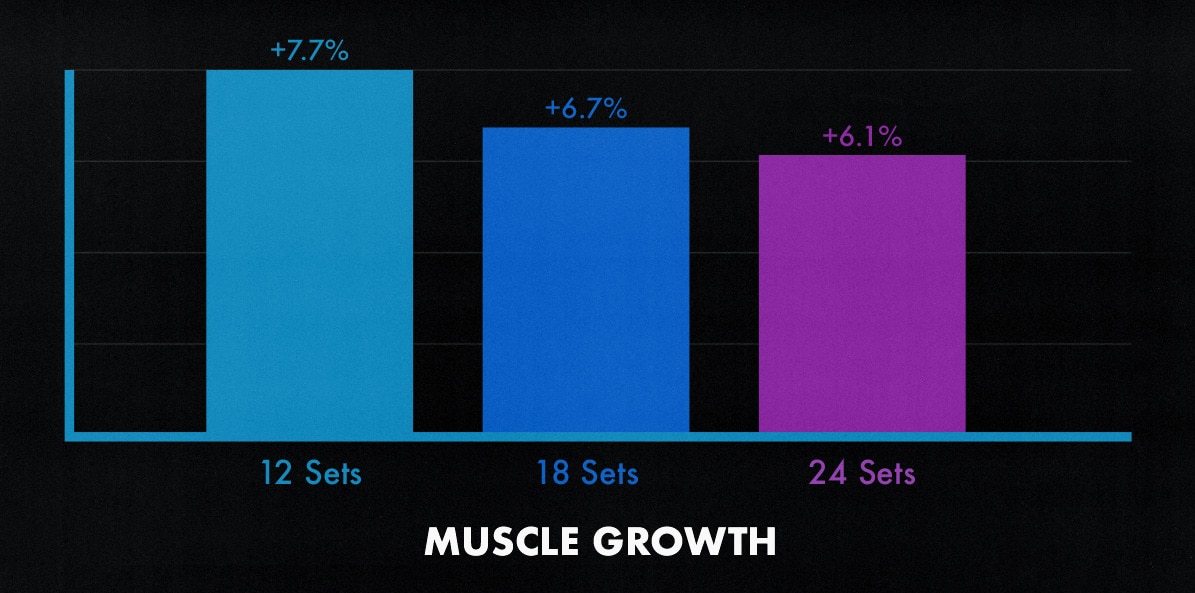
For many fitness enthusiasts, the “pull day” is the cornerstone of upper body development. By grouping exercises that involve pulling weight toward the body, athletes can efficiently target the posterior chain—specifically the back, rear shoulders, and biceps—without the systemic fatigue that comes from full-body sessions. However, the modern fitness landscape is often cluttered with overly complex routines that prioritize volume over intensity, leading to diminishing returns and increased injury risk.
A streamlined, high-intensity back and biceps workout does not require two dozen different machines or hours in the gym. In fact, focusing on a few compound movements and one targeted isolation exercise can be more effective for muscle hypertrophy. By prioritizing mechanical tension and progressive overload, you can trigger significant growth while leaving ample room for systemic recovery.
As a physician and health editor, I have observed a recurring trend in gym culture: the “more is better” fallacy. From a physiological perspective, muscle growth is not a result of how many exercises you perform, but rather the quality of the stimulus applied to the muscle fibers. When we focus on the most effective movement patterns—vertical pulling, horizontal pulling, and elbow flexion—You can maximize the metabolic stress required for muscle adaptation.
The following four-exercise blueprint is designed to hit every major muscle group of the upper posterior body. Whether you are looking to widen your lats, thicken your mid-back, or build peak bicep height, this approach provides the necessary stimulus while maintaining joint integrity and postural balance.
The Anatomy of the Pull Day
To understand why these four exercises are selected, it is essential to understand the musculature involved. A “pull” movement primarily engages the latissimus dorsi (the large muscles of the back), the trapezius and rhomboids (which control the shoulder blades), the posterior deltoids (the back of the shoulder), and the biceps brachii and brachialis (the muscles of the upper arm).
The goal of a balanced routine is to address these muscles through different planes of motion. Vertical pulling focuses on the width of the back, while horizontal pulling focuses on the thickness and stability of the mid-back. Neglecting the rear deltoids often leads to internal rotation of the shoulders, a common issue in an era of desk-bound work, which is why a dedicated posterior shoulder movement is non-negotiable for long-term joint health.
The physiological process of muscle growth, or hypertrophy, occurs when muscle fibers are subjected to tension that causes micro-tears, which the body then repairs to be stronger and larger. This process is most efficient when the workout is structured to challenge the muscle across its full range of motion.
The 4-Exercise Upper Body Blueprint
This workout is designed to be performed with a focus on “quality over quantity.” Rather than chasing a “pump” through light weights and endless reps, focus on controlled eccentric movements (the lowering phase) and explosive concentric movements (the lifting phase).
1. The Vertical Pull: Lat Pulldowns or Pull-Ups
The vertical pull is the primary driver for creating the “V-taper” look by targeting the latissimus dorsi. For those who can perform them with proper form, pull-ups are the gold standard. For those needing more control or adjustable resistance, the lat pulldown machine is an excellent alternative.
Execution: Sit with your thighs secured. Grasp the bar slightly wider than shoulder-width. Instead of pulling with your hands, imagine driving your elbows down toward your back pockets. Pull the bar to the upper chest, squeezing the shoulder blades together at the bottom, and return the weight slowly to the starting position.
2. The Horizontal Pull: Seated Cable Rows or Bent-Over Rows
While vertical pulls provide width, horizontal pulls provide depth and thickness. These movements target the rhomboids and the middle trapezius, which are critical for maintaining an upright posture and stabilizing the shoulder girdle.
.jpg "Muscle Growth Vertical")
Execution: Using a seated cable row, keep your torso stationary—avoid leaning too far forward or backward. Pull the handle toward your abdomen, focusing on retracting the scapulae (pulling the shoulder blades together). Hold the contraction for one second before extending the arms fully.
3. The Posterior Shoulder Focus: Face Pulls
Face pulls are often overlooked but are perhaps the most important exercise for shoulder longevity. They target the rear deltoids and the rotator cuff muscles, counteracting the forward-slumping posture caused by smartphones and computers.
Execution: Set the cable pulley to forehead height with a rope attachment. Pull the ends of the rope toward your ears, rotating your knuckles outward as you pull. This external rotation is key to engaging the posterior deltoids and the infraspinatus muscle.
4. The Bicep Finisher: Dumbbell or Cable Curls
After the heavy compound movements of the back, the biceps are already partially fatigued. Finishing with an isolation movement ensures that the biceps are pushed to the point of failure without the back muscles limiting the set.
Execution: Using dumbbells, stand with a neutral spine. Curl the weight toward the shoulder while keeping the elbows pinned to the sides. Avoid using momentum or “swinging” the weight. the only movement should occur at the elbow joint.
Optimizing Growth Through Intensity and Recovery
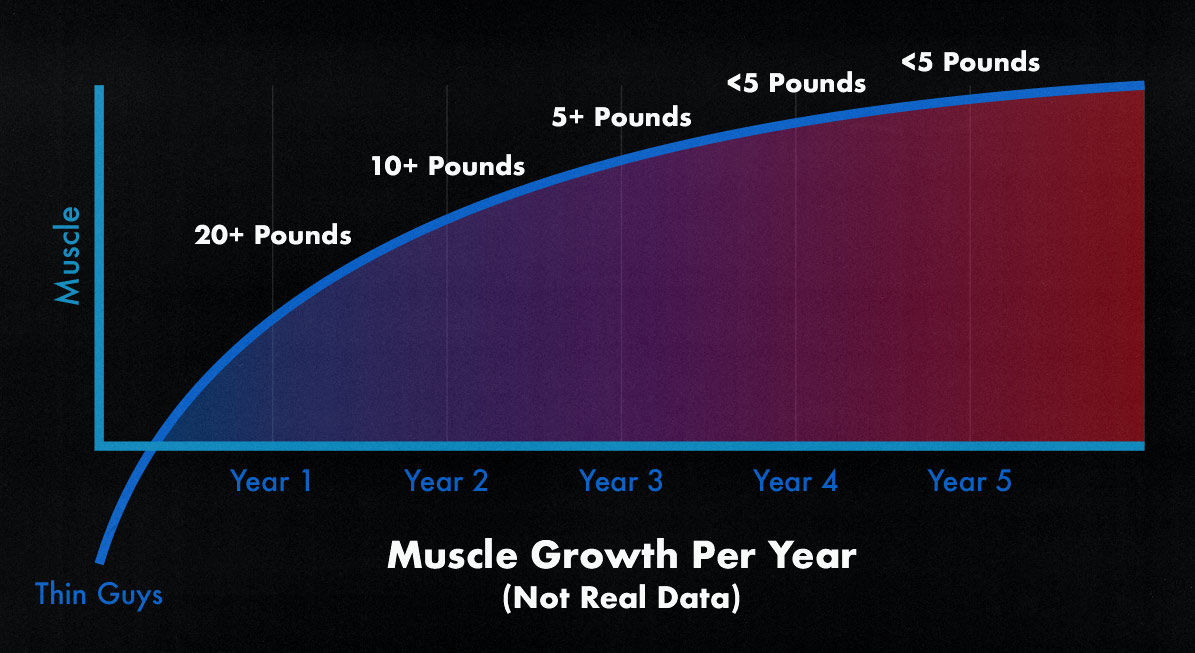
Selecting the right exercises is only half the battle; the other half is how you apply intensity. To see consistent progress, you must employ the principle of progressive overload. This means gradually increasing the weight, the number of repetitions, or the intensity of the sets over time.
A useful tool for measuring intensity is the Rate of Perceived Exertion (RPE). On a scale of 1 to 10, where 10 is absolute maximal effort, most hypertrophy sets should fall between RPE 8 and 9. This means you should finish a set feeling as though you could have performed only one or two more repetitions with perfect form. Training to absolute failure on every set can lead to central nervous system fatigue and may hinder long-term progress.
Rest intervals also play a critical role. For the heavy compound movements (pulldowns and rows), resting for two to three minutes allows the ATP-CP energy system to recover, enabling you to lift heavier loads in subsequent sets. For isolation movements like curls or face pulls, 60 to 90 seconds is generally sufficient.
Medical Considerations for Safe Training
As a physician, I must emphasize that the “torch” feeling in your muscles should be a metabolic burn, not joint pain. There is a distinct difference between the fatigue of a hard-working muscle and the sharp, localized pain of a tendon or ligament injury.
- The Warm-Up: Never start a pull day with your heaviest set. Begin with five minutes of light cardiovascular activity followed by dynamic stretching—such as arm circles and “cat-cow” stretches—to lubricate the glenohumeral and acromioclavicular joints.
- The Grip Trap: Many people find their grip fails before their back does. While building grip strength is beneficial, do not let it limit your back growth. Using lifting straps for your heaviest sets of rows or pulldowns can allow you to fully exhaust the target muscle.
- Hydration and Nutrition: Muscle protein synthesis requires adequate hydration and amino acid availability. Ensure you are consuming a balanced protein source and sufficient water both before and after your session to facilitate the repair of the micro-tears mentioned previously.
Quick Reference: Pull Day Summary Table
| Exercise | Primary Target | Suggested Sets/Reps | Rest Period |
|---|---|---|---|
| Lat Pulldowns/Pull-Ups | Lats (Width) | 3-4 Sets / 6-10 Reps | 2-3 Minutes |
| Seated Cable Rows | Mid-Back (Thickness) | 3-4 Sets / 8-12 Reps | 2-3 Minutes |
| Face Pulls | Rear Delts/Rotator Cuff | 2-3 Sets / 12-15 Reps | 60-90 Seconds |
| Bicep Curls | Biceps Brachii | 2-3 Sets / 8-12 Reps | 60-90 Seconds |
By stripping away the fluff and focusing on these fundamental movement patterns, you can transform your upper body without spending an entire afternoon in the gym. Consistency, precision in form, and a commitment to progressive overload are the only true requirements for success.
The next step for those looking to advance their training is to integrate this pull day into a broader “Push-Pull-Legs” (PPL) split, ensuring a balanced distribution of volume across the entire body. We will be analyzing the physiological benefits of various split routines in our upcoming health and fitness series.
Do you have a favorite pulling exercise that we missed, or a question about adjusting this routine for your specific goals? Let us know in the comments below or share this guide with your gym partner.
Worth a look