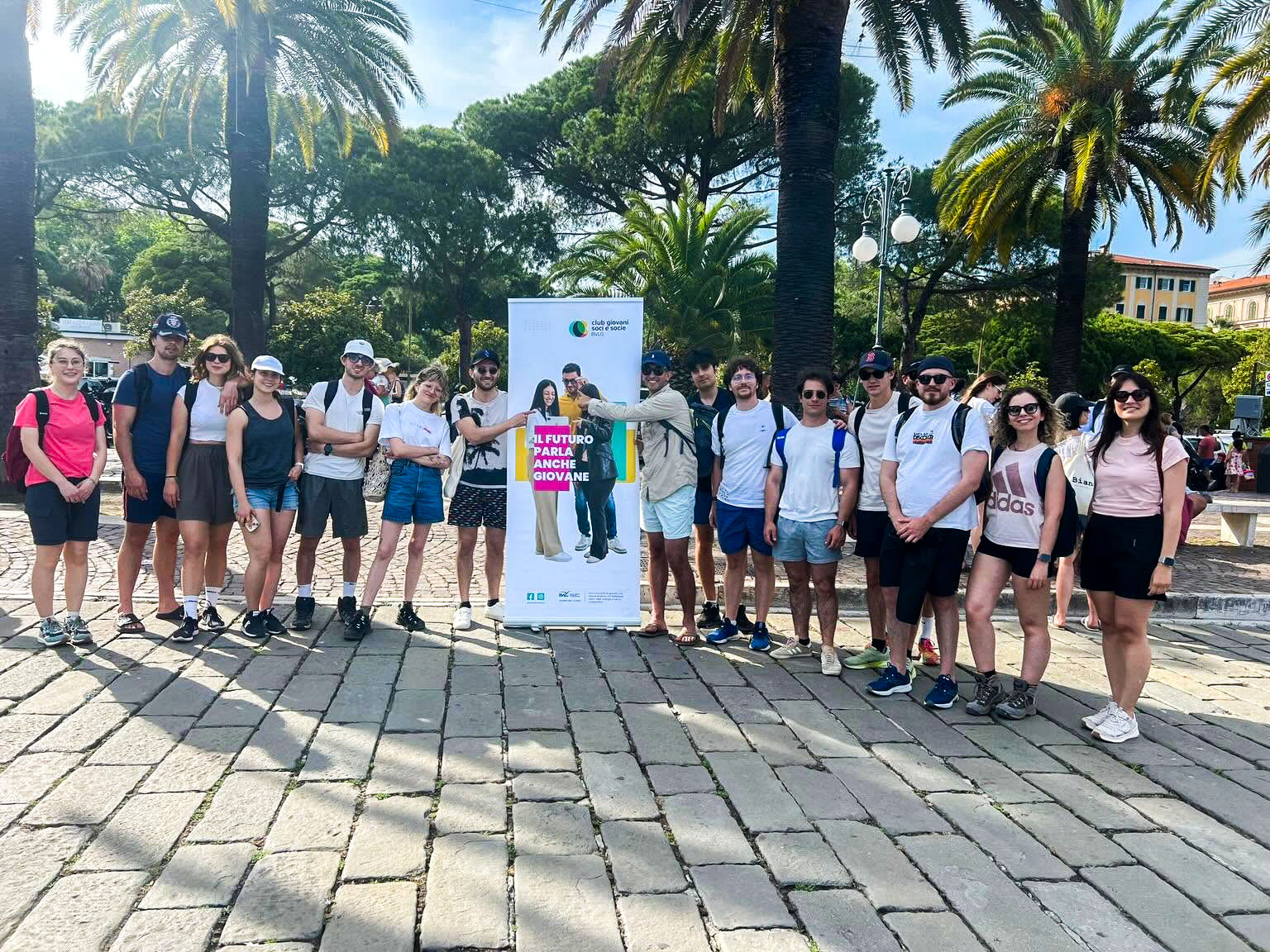
Cooperative credit banking, or Banche di Credito Cooperativo (BCC), represents a distinct model within the Italian financial sector. Unlike traditional commercial banks that prioritize returns for external shareholders, these institutions operate on a mutualistic basis where the members—the soci—are the primary stakeholders. This structural difference influences how these banks engage with their local communities, including initiatives like the Il Club Giovani Soci, which fosters professional and social development among younger members.
At its core, the cooperative credit system in Italy is governed by the principle of mutualità prevalente, or predominant mutuality. This legal framework, overseen by the Banca d’Italia, ensures that the primary objective of these banks remains the provision of credit and financial services to their members under favorable conditions, rather than the maximization of profit for outside investors. According to the [Banca d’Italia’s regulatory guidelines on cooperative credit](https://www.bancaditalia.it/), these entities must maintain a strict territorial link, ensuring that their capital and operations support the economic development of the specific regions where they operate.
The Role of Youth Engagement in Cooperative Credit
The Il Club Giovani Soci is a manifestation of the efforts by local BCC branches to ensure generational continuity. These clubs serve as hubs for younger members—typically individuals who hold a stake in the cooperative—to participate in governance, network with local entrepreneurs, and engage in civic projects. By involving younger generations, the banks aim to preserve the cooperative philosophy, which emphasizes local economic resilience over short-term speculative gains.
In various regions, including those surrounding the Ligurian coast where initiatives like those involving Isola Palmaria have historically been discussed, these youth clubs act as advisory bodies. They organize seminars, training sessions on financial literacy, and community-focused environmental or cultural events. This engagement is vital for the long-term sustainability of the credit unions, as it cultivates a loyal membership base that understands the ethical banking model established by the [Federazione Italiana delle Banche di Credito Cooperativo](https://www.federcasse.bcc.it/).
Understanding the Cooperative Distinction
To understand why organizations like the Club Giovani Soci matter, one must look at the legal structure of Italian cooperative banks. Under the 2016 banking reform, most BCCs are now organized under larger banking groups, yet they retain their local autonomy and cooperative status. As noted in the [official legislative records of the 2016 reform](https://www.gazzettaufficiale.it/), this structure allows individual banks to benefit from the stability of a larger group while maintaining their original mission of serving the local territory.
The difference between a standard investor-owned bank and a BCC is fundamental:
- Ownership: In a BCC, the members (soci) own the bank. Each member has a vote, regardless of the number of shares held, adhering to the principle of “one head, one vote.”
- Profit Allocation: A significant portion of the profits must be reinvested into the bank’s reserves or used to support social and cultural initiatives, rather than being distributed as dividends to external shareholders.
- Territorial Focus: Loans and services are primarily directed at members and local residents, reinforcing the economic fabric of the bank’s home region.
Future Perspectives and Community Impact
The initiatives led by youth clubs, including those in coastal and heritage-rich areas, often intersect with broader discussions regarding sustainable development. While the Club Giovani Soci focuses on internal banking dynamics, their projects frequently address external challenges such as local tourism management, environmental protection of heritage sites, and the promotion of sustainable entrepreneurship.

For readers interested in how these local institutions function or how to become involved, the [official portal of the Federazione Italiana delle Banche di Credito Cooperativo](https://www.federcasse.bcc.it/) provides resources on local branch locations and membership criteria. Engaging with a local BCC allows individuals to participate directly in a financial model that prioritizes the collective well-being of the territory. As of the most recent updates from the [Banca d’Italia’s financial supervision reports](https://www.bancaditalia.it/), the cooperative sector continues to play a significant role in providing credit to small and medium-sized enterprises across Italy.
Future developments regarding local community projects and youth club activities will be tracked in subsequent reports by the regional federations. Readers are encouraged to check the official websites of their local cooperative banks for upcoming meetings and opportunities to join their respective Club Giovani Soci.
Worth a look