
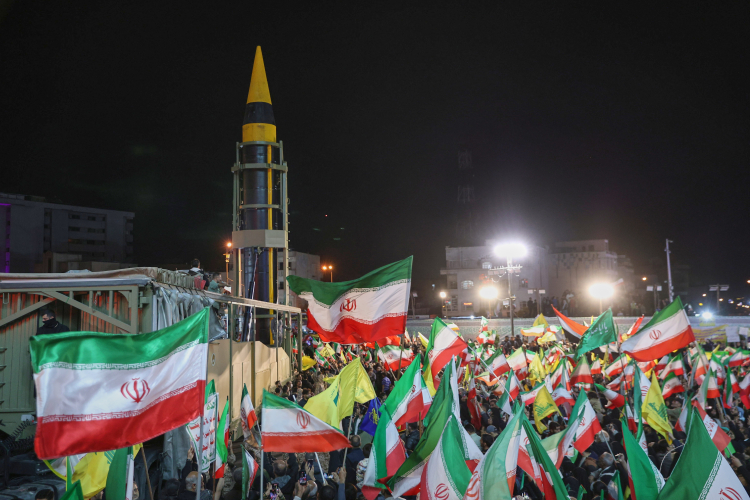
Iran’s leadership has signaled it sees no require to compromise in ongoing tensions with the United States, particularly regarding maritime security in the Strait of Hormuz and nuclear negotiations, according to recent developments in the regional conflict.
The assessment comes amid a prolonged standoff that began in late February 2026, when U.S.-Israeli strikes initiated what has become known as the 2026 Iran war. Iranian officials have repeatedly stated that American efforts to pressure Tehran through military action or economic sanctions have failed to achieve their objectives, reinforcing Tehran’s position that concessions are unnecessary.
This stance has been reinforced by Iran’s actions in the Strait of Hormuz, where the Islamic Revolutionary Guard Corps (IRGC) has continued to assert control over the vital waterway despite U.S. Naval presence. Recent reports indicate Iranian forces have seized commercial vessels and laid mines in the strait, actions Tehran describes as necessary responses to what it characterizes as an illegal blockade.
The situation has drawn international concern due to the strait’s significance for global energy markets, with approximately one-fifth of the world’s petroleum passing through the chokepoint. Disruptions have already contributed to volatility in energy prices and shipping costs worldwide.
Escalating Maritime Tensions in the Strait of Hormuz
Specific incidents have underscored Iran’s unwillingness to back down from its current position. On April 24, 2026, Iranian forces seized several cargo ships in the Strait of Hormuz, citing involvement in smuggling Iranian oil as justification for the actions. The U.S. Military confirmed it had boarded another tanker suspected of similar violations the same day.
These developments followed President Donald Trump’s extension of a ceasefire agreement, which he stated removed any “time pressure” from negotiations with Iran. Despite the diplomatic overture, military activities in the region intensified, with the U.S. Increasing efforts to clear mines that have impeded commercial shipping.
Trump had previously ordered U.S. Forces to “shoot and kill” any Iranian boats observed laying mines in the strait, a directive that remains in effect as part of broader attempts to secure the waterway. The order reflects the administration’s assessment that mining activities represent a direct threat to international navigation and global trade flows.
Iranian officials have defended their actions as legitimate responses to what they describe as an unlawful U.S.-led blockade. Tehran maintains that the presence of American warships in the strait constitutes an impediment to peace talks and violates international maritime law.
Regional Conflict Expands Beyond Maritime Disputes
The Strait of Hormuz tensions exist within a broader conflict that has seen Iran engage in military actions against multiple regional actors. Since late February 2026, Iranian forces have launched missile and drone strikes targeting Israeli territory, U.S. Military installations, and allied Gulf states in what Iranian leadership describes as retaliation for perceived aggressions.
These attacks have resulted in casualties across several countries. According to forensic authorities in Iran, nearly 3,400 people have been killed in Iran since the conflict began on February 28, 2026. More than 2,200 fatalities have been reported in Lebanon, with additional deaths recorded in Gulf states, Israel, and among U.S. Service members.
The human toll has drawn concern from international observers, though Iranian leadership has framed the conflict as a necessary defense of national sovereignty. Officials in Tehran have consistently rejected suggestions that military pressure could compel policy changes, arguing instead that resistance has strengthened Iran’s negotiating position.
Nuclear Negotiations Remain Stalemated
Beyond immediate security concerns, Iran’s refusal to compromise extends to discussions about its nuclear program. Diplomatic channels aimed at addressing international concerns about uranium enrichment levels have seen limited progress, with Tehran maintaining that its nuclear activities are peaceful and within its rights under international agreements.
The stalemate persists despite offers from various international actors to provide sanctions relief in exchange for verifiable limits on nuclear activities. Iranian officials have repeatedly stated that previous agreements were violated by other parties, creating distrust that complicates new negotiations.
This position reflects a broader strategic calculation in Tehran that concessions would weaken Iran’s strategic deterrence without guaranteeing tangible benefits. Leadership has emphasized self-reliance in defense capabilities as a cornerstone of national security policy, particularly in the face of what it characterizes as hostile external pressures.
International Response and Global Implications
The ongoing conflict has prompted varied responses from the international community. Whereas some nations have expressed support for diplomatic solutions, others have aligned with either the U.S.-led coalition or Iran based on regional alliances and strategic interests.
Global energy markets remain sensitive to developments in the Strait of Hormuz, with analysts noting that any sustained disruption could have significant economic repercussions. Shipping companies have reported increased costs and delays as vessels reroute or implement additional security measures when transiting the region.
International organizations have called for restraint and renewed diplomatic engagement, though prospects for near-term de-escalation appear limited given the entrenched positions of the main parties. The conflict continues to test mechanisms for managing great power competition in strategically vital regions.
Humanitarian Concerns and Civilian Impact
Beyond strategic and economic considerations, the conflict has raised humanitarian concerns, particularly in areas affected by cross-border strikes. Civilian infrastructure in both Iran and Lebanon has sustained damage, with reports of disrupted essential services in some communities.
Displacement has occurred in certain border regions, though precise figures remain difficult to verify due to access restrictions and the fog of war. International aid organizations have noted challenges in delivering assistance to affected populations amid ongoing hostilities.
The toll on military personnel has also been significant, with multiple countries reporting casualties among their armed forces. Thirteen U.S. Service members have been confirmed killed in the conflict, with two additional deaths attributed to non-combat causes according to Defense Department statements.
Path Forward Remains Unclear
As of late April 2026, there are no publicly scheduled negotiations or confirmed diplomatic initiatives that could immediately alter the trajectory of the conflict. Both sides appear to be maintaining their current military postures while exploring indirect channels for communication.
Regional analysts suggest that any meaningful de-escalation would require concessions that neither party currently appears willing to produce. The United States has indicated a preference for maintaining pressure through naval presence and sanctions, while Iran continues to assert that its current course is both necessary and effective.
The situation remains fluid, with developments in the Strait of Hormuz often serving as an indicator of broader tensions. Maritime incidents continue to occur with regularity, keeping global attention focused on this critical waterway and its implications for international security and commerce.
For ongoing updates on this evolving situation, readers are encouraged to consult official statements from relevant defense departments, foreign ministries, and international maritime organizations.
Share your thoughts on this developing story in the comments below, and help inform others by sharing this article on your social media platforms.