A Timeline of American Theater: From Protest to Pulitzer Prize
American theatre is a vibrant, ever-evolving landscape shaped by social movements, groundbreaking artists, and unforgettable stories. this timeline highlights pivotal moments – from theatre born of activism to productions that redefined Broadway – showcasing the power of performance to reflect and influence our world.
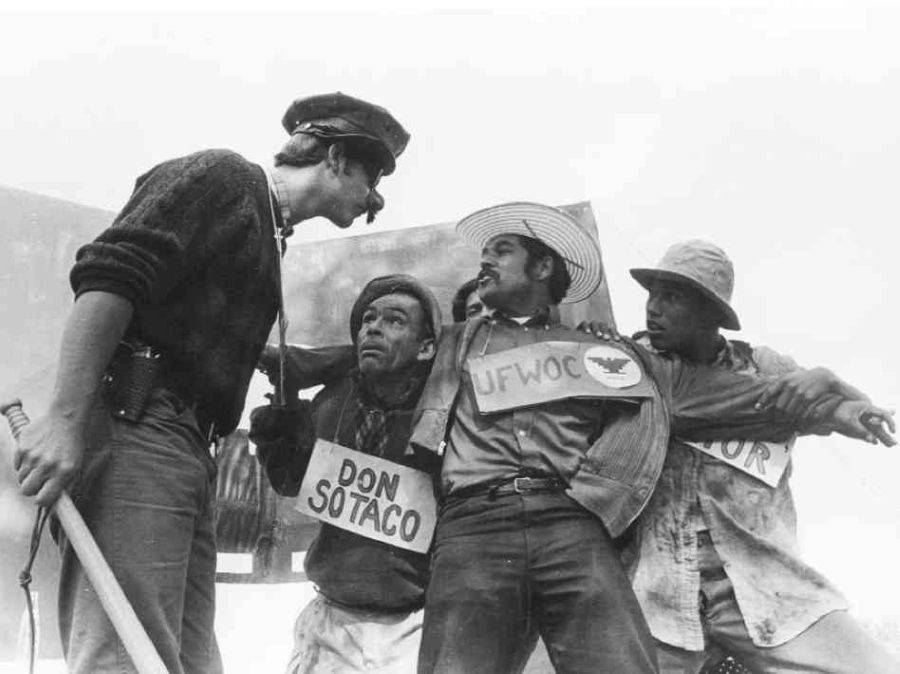
1965: The Birth of El Teatro Campesino - Theatre as a Tool for Change
In the fall of 1965,a new kind of theatre emerged from the fields of California. Luis Valdez, previously with the San Francisco Mime Troupe, traveled to delano to support the United Farm Workers’ grape Strike.
he envisioned a theatre by and for farm workers, and pitched the idea to UFW leader Cesar Chavez. Valdez transformed picket lines into stages, using humor, music, and movement to energize and sustain the workers’ resistance.
El Teatro Campesino wasn’t just entertainment; it was a vital organizing tool. Today, the company continues its mission, operating from a theatre in San Juan Bautista that was once a fruit-packing shed. You can learn more about their history and current work at El Teatro Campesino.
1980: Women’s One World Festival & the Rise of WOW Café Theater – A Space for Voices Unheard
The year 1980 marked a turning point for women and LGBTQ+ representation in theatre. Inspired by European multidisciplinary arts festivals, Lois Weaver, Peggy Shaw, Pamela Camhe, and Jordy Mark founded the Women’s one World Festival in manhattan’s East village.
Funded through grassroots efforts, the inaugural 11-day festival hosted 36 shows from eight countries within a 400-seat venue. This festival wasn’t just about showcasing work; it was about creating a community.
Two years later, Women’s One World blossomed into the iconic WOW Café Theater - a collectively run, women- and trans-centered performance space that continues to champion diverse voices. Explore their legacy at WOW Café Theater.
2000: Proof – A Pulitzer Prize-Winning Exploration of Genius and Mental Illness
October 24, 2000, saw the Broadway transfer of David Auburn’s critically acclaimed play, Proof. The play delves into the complex relationship between Catherine, the daughter of a brilliant but mentally ill mathematician, and the legacy she inherits.
Directed by Daniel Sullivan, the original Broadway production starred Mary Louise Parker, Johanna Day, Ben Shenkman, and Larry Bryggman.Proof resonated deeply with audiences, running for 917 performances and earning three Tony Awards, along with the 2001 Pulitzer Prize for Drama.
The story continues to captivate, with a new Broadway revival starring Ayo Edebiri and Don Cheadle set to open in April. you can find more information about the revival here.
Key Takeaways:
* Theatre reflects society: These examples demonstrate how theatre responds to and shapes the cultural and political landscape.
* Activism and art intersect: El Teatro Campesino proves the power of performance as a tool for social change.
* Creating space for marginalized voices: Women’s One World and WOW Café Theater highlight the importance of dedicated spaces for underrepresented artists.
* Compelling storytelling endures: Proof‘s success showcases the lasting impact of well-crafted narratives that explore global themes.
This timeline is just a glimpse into the rich history of American theatre. By understanding these pivotal moments, you can gain a deeper appreciation for the art form’s enduring power and its continued evolution.
Keep reading