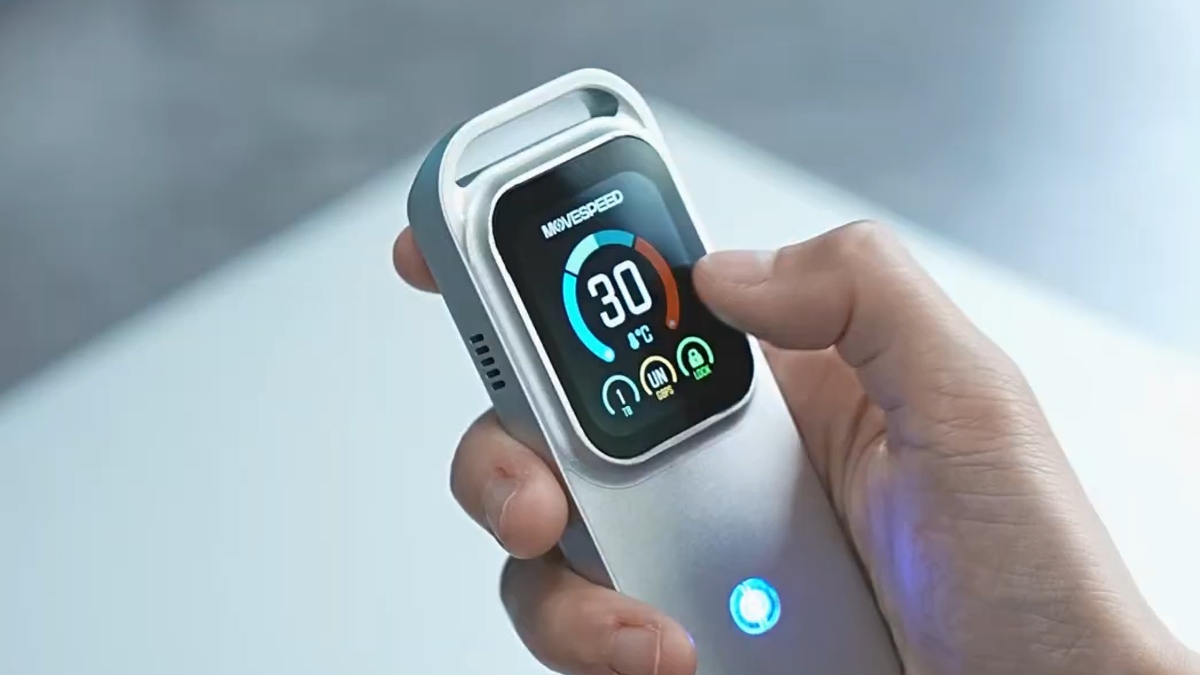
The intersection of wearable technology and everyday apparel has long been a pursuit for designers seeking to bridge the gap between digital utility and functional fashion. Recently, the concept of integrating display technology directly into clothing accessories—specifically, a pocket with an embedded screen—has moved from the realm of speculative science fiction into tangible hardware prototypes. This development represents a significant shift in how we might interact with our devices, moving toward a future where our garments serve as secondary interfaces for our digital lives.
For many, the initial reaction to “smart clothing” is skepticism, often fueled by past industry attempts that prioritized novelty over true utility. However, the current iteration of wearable display technology, such as the integrated pocket display, is gaining traction by addressing a specific pain point: the need for discreet, glanceable information without the constant necessity of removing a smartphone from one’s pocket or bag. By embedding flexible display panels into durable textiles, engineers are creating a new category of “ambient computing” that feels more natural and less intrusive than traditional smartwatches or augmented reality glasses.
The Evolution of Ambient Wearable Technology
The transition toward screen-integrated fabrics relies heavily on advancements in flexible OLED (Organic Light-Emitting Diode) technology. Unlike rigid LCD screens, flexible OLEDs can be laminated into thin, protective films that withstand the mechanical stresses of daily wear, including folding, stretching, and washing. According to research on flexible electronics for wearable applications, the integration of these displays requires not only thin-film transistors (TFTs) but also specialized encapsulation techniques to protect the sensitive organic materials from moisture, and air.
This technology is not merely about showing notifications; This proves about context-aware computing. When a pocket is equipped with a display, the garment itself becomes an input-output device. Imagine a scenario where your coat pocket displays your transit pass, a live map update, or a simple navigation arrow, all visible through a transparent or semi-transparent window in the fabric. This functionality minimizes the “cognitive friction” associated with checking a device, allowing for a more fluid interaction with one’s surroundings.
Why Integrated Displays Make Sense
The primary argument for the integrated pocket display lies in ergonomics and digital wellbeing. Constant smartphone checking has been linked to decreased attention spans and increased stress levels, as noted in studies regarding smartphone-induced distraction. By offloading basic tasks—such as viewing a timer, a music track, or a quick notification—to a garment-based screen, users can remain connected without the full “re-entry” into the smartphone ecosystem that typically follows unlocking a phone.
the design allows for a modular approach. Rather than buying a “smart jacket” that becomes obsolete when the processor fails, future designs are trending toward removable display modules. This approach aligns with broader consumer electronics trends emphasizing right-to-repair and sustainability, ensuring that the hardware can be upgraded or replaced without discarding the entire garment.
Key Considerations for Wearable Displays
- Durability and Maintenance: How these displays handle common laundry cycles and physical impact remains a primary engineering challenge.
- Power Management: Efficient battery integration—likely through flexible thin-film batteries or kinetic energy harvesting—is essential for long-term viability.
- Privacy and Security: As these devices become more common, ensuring that sensitive information on a pocket display is not easily readable by bystanders will be a critical design consideration.
- User Interface (UI): Designing intuitive, low-latency interfaces that work effectively on small, unconventional screen shapes is a new frontier for software developers.
The Future of Smart Textiles
We are currently in the “early adopter” phase of this technology. While high-end fashion houses and boutique tech startups are the most visible players, the potential for mass-market adoption depends on the cost of flexible display manufacturing falling significantly. As production capacity for foldable and rollable screens increases—driven by the demand for foldable smartphones—the cost of smaller, display-ready panels is expected to decrease, making them viable for integration into mid-range apparel.

The next major checkpoint for this technology will likely be the integration of these displays with broader IoT (Internet of Things) ecosystems. For instance, a garment could communicate directly with smart home devices, allowing a user to adjust lighting or thermostat settings through a simple gesture on their sleeve or pocket. Industry analysts anticipate that as IoT standardization matures, the interoperability between these wearables and our digital environments will become the standard rather than the exception.
As we look ahead, the goal for designers and engineers is to make this technology “invisible”—where the presence of the screen is felt through its utility rather than its aesthetic intrusion. Whether this becomes a staple of modern wardrobe or remains a niche utility for tech enthusiasts will depend on the balance between style, battery life, and genuine daily convenience.
What are your thoughts on integrating displays directly into our clothing? Is this a practical step toward a more connected life, or does it cross the line into unnecessary digital clutter? Share your perspective in the comments below, and stay tuned to World Today Journal for our upcoming review on the latest wearable hardware trends.