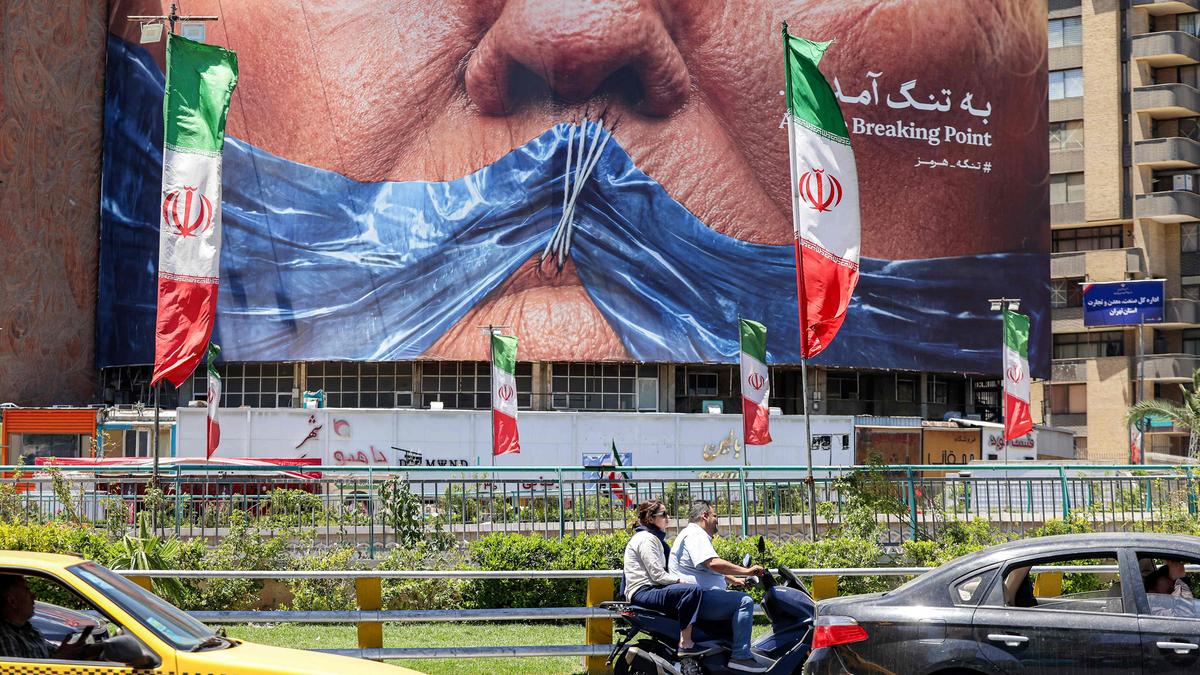
As the geopolitical landscape in the Middle East continues to shift, the ongoing Iran-Israel war remains a focal point of international concern. Recent developments have introduced a high degree of volatility, particularly as U.S. Military operations persist while diplomatic channels face renewed scrutiny. In the latest escalation, U.S. Forces have conducted a series of strikes against Iranian-linked targets, a move that coincides with heightened rhetoric from Washington regarding the status of ongoing negotiations.
The situation has become increasingly complex as observers attempt to reconcile aggressive military posturing with the stated, though fragile, desire for a de-escalation of hostilities. For those of us covering international affairs, the challenge lies in distinguishing between tactical maneuvering and a fundamental shift in regional strategy. The current atmosphere is defined by what many analysts describe as a “war of signals,” where every kinetic action and public statement is weighed heavily by capitals from Tehran to Tel Aviv and Washington D.C.
To understand the current state of the conflict, one must look at the broader U.S. Foreign policy framework in the Middle East, which has been tested repeatedly since the most recent flare-up in regional tensions. The U.S. Department of Defense has maintained that these strikes are intended to deter further aggression against coalition forces and regional allies, asserting that such actions are consistent with the right to self-defense under international law (U.S. Department of Defense Official Statements).
The Impact of Shifting Diplomatic Rhetoric
Recent comments from political figures suggesting that Iran is “negotiating on fumes” have cast a long shadow over back-channel talks. Such rhetoric often serves to complicate the delicate work of intermediaries—frequently involving nations like Qatar or Oman—who seek to find a middle ground between the warring parties. When public statements deviate from private assurances, the resulting uncertainty often leads to a breakdown in the trust necessary for any formal cease-fire or de-escalation agreement.
The question of whether these negotiations can yield a sustainable outcome is now at the forefront of the global conversation. Historically, diplomatic resolutions in this region have been fraught with difficulty, requiring not only political will but also a degree of strategic patience that is currently in short supply. As noted in recent Reuters reporting on Middle East regional security, the integration of military pressure into a diplomatic strategy is a high-stakes gamble that risks alienating key stakeholders before a framework can be finalized.
Understanding the Regional Security Architecture
The current hostilities are not isolated events. they are part of a long-standing pattern of regional competition for influence. The involvement of various proxy groups, the role of naval security in the Persian Gulf, and the overarching influence of major global powers all contribute to the current impasse. For the average citizen, the impact of these tensions is felt through fluctuating energy prices, supply chain disruptions, and a pervasive sense of instability that affects global markets.
It’s essential to look at the United Nations Security Council reports on Middle East tensions to understand the legal and humanitarian dimensions of the conflict. The international community continues to call for restraint, emphasizing that a wider regional war would have catastrophic consequences for civilian populations already reeling from years of instability. The following table provides a brief overview of the key stakeholders and their primary objectives in the current theater of conflict.
| Stakeholder | Stated Strategic Goal |
|---|---|
| United States | Containment of regional influence and protection of assets. |
| Israel | Ensuring national security and neutralizing perceived threats. |
| Iran | Projecting regional influence and resisting external sanctions. |
What Happens Next?
As we move forward, the focus will likely remain on whether the current military strikes lead to a retaliatory cycle or if they serve as a precursor to a more structured diplomatic engagement. The international community is waiting for clear indicators from the U.S. Administration and its partners regarding the next phase of the “negotiation” process. Any progress will likely be contingent on a period of relative calm, which remains elusive given the current operational tempo.

We are closely monitoring official updates from the U.S. Central Command (CENTCOM) and the relevant ministries of foreign affairs for any signs of a breakthrough. For our readers, staying informed means looking beyond the headlines and analyzing the underlying motivations of each actor involved. As this story evolves, we remain committed to providing balanced, evidence-based reporting from the field and the diplomatic front lines.
The next scheduled briefing regarding regional security developments is expected to take place following the upcoming high-level consultations in the region. We encourage our readers to share their perspectives in the comments section below and to follow our live coverage for the latest verified updates as they break.
Related reading