
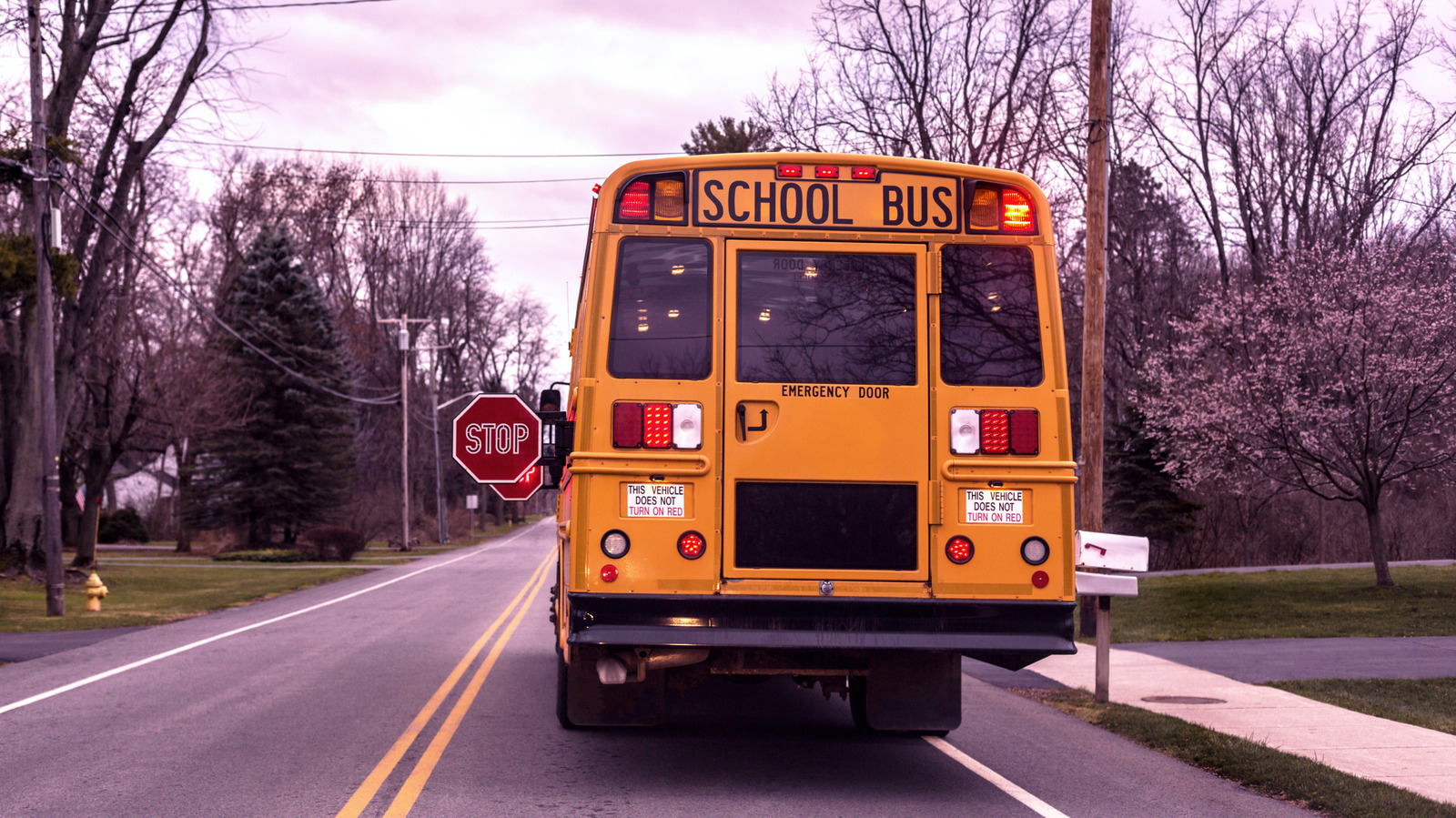
Illegally passing a stopped school bus remains a serious traffic violation across the United States, carrying fines, license points, and potential criminal charges depending on state laws. While penalties have long existed, enforcement has historically relied on police observation or witness reports, making consistent detection difficult. Recent technology-driven solutions are now changing how violations are identified and processed, aiming to increase accountability and deter dangerous driving near school buses.
This shift comes as communities nationwide report hundreds of illegal passings each day, particularly during morning and afternoon routes when children are boarding or exiting buses. In Vermont, for example, transportation officials have documented frequent violations despite existing laws, prompting the launch of automated camera systems on school buses to capture evidence without requiring officer presence. Similar programs are being tested or expanded in other states as lawmakers and educators seek safer conditions for student transportation.
The core technology involves equipping school buses with exterior cameras that activate when the bus’s stop arm is extended and red lights are flashing — signaling that children are loading or unloading. These systems record video and license plate data of vehicles that illegally pass the stopped bus. The footage is then reviewed by law enforcement or authorized personnel, who can issue citations based on the evidence. Advocates argue this method provides objective proof, reduces reliance on eyewitness testimony, and allows for broader enforcement coverage than traditional patrols.
In Lee County, Florida, school district officials recently highlighted the financial impact of such violations, noting that fines collected from illegal passing citations could reach significant amounts under their new enforcement program. While exact figures vary by jurisdiction and citation volume, the district emphasized that revenue from these fines is often directed toward safety initiatives, including further bus safety upgrades or driver education programs. This creates a feedback loop where enforcement not only penalizes dangerous behavior but also funds preventive measures.
Beyond cameras, some states are exploring additional tools like GPS tracking, real-time reporting apps for bus drivers, and integration with traffic management systems to improve response times. The National Conference of State Legislatures has noted a growing trend of states strengthening school bus safety laws, including higher fines for repeat offenders and mandatory court appearances for certain violations. These legislative changes often accompany technology deployments to ensure legal frameworks support automated enforcement.
Critics of automated ticketing systems raise concerns about privacy, due process, and the potential for errors in license plate recognition or video interpretation. To address these, many programs include human review steps before citations are issued, clear signage indicating camera apply, and appeals processes for drivers who contest tickets. Transparency in how data is stored, used, and deleted is also becoming a standard requirement in new legislation governing school bus safety tech.
For drivers, the message is clear: passing a stopped school bus with its lights activated is illegal in all 50 states, and the likelihood of being caught is increasing due to technological advancements. Penalties typically include fines ranging from $100 to $500 for a first offense, license suspension, and in some cases, jail time — especially if injury occurs. Many states also impose higher penalties for passing on the right side (where children enter and exit) or for repeat violations within a set period.
Parents and school officials continue to advocate for greater awareness, urging drivers to treat every stopped school bus as a potential hazard requiring a full stop, regardless of direction or road type. Public education campaigns often accompany tech rollouts, reminding motorists that flashing yellow lights mean prepare to stop, while flashing red lights and an extended stop arm mean stop immediately and remain stopped until the lights are turned off and the arm is retracted.
As more districts adopt automated enforcement, the focus remains on balancing effective deterrence with fair and accurate implementation. Officials stress that the goal is not to generate revenue but to prevent tragedies — noting that even one illegal passing incident could result in a child being struck. With technology making enforcement more consistent, the hope is that compliance will improve over time, reducing the need for punitive measures altogether.
The next step in many jurisdictions involves evaluating the effectiveness of current camera programs through data on citation rates, repeat offenses, and feedback from law enforcement and school transportation officials. These evaluations, often conducted annually or after a pilot period, help determine whether to expand, modify, or discontinue specific technologies. Drivers seeking updates on local school bus safety laws or enforcement programs are encouraged to check their state’s department of transportation or motor vehicles website for official guidance and announcements.
If you found this information helpful, consider sharing it with others who drive near school zones or commenting below with your experiences or questions about school bus safety in your community.