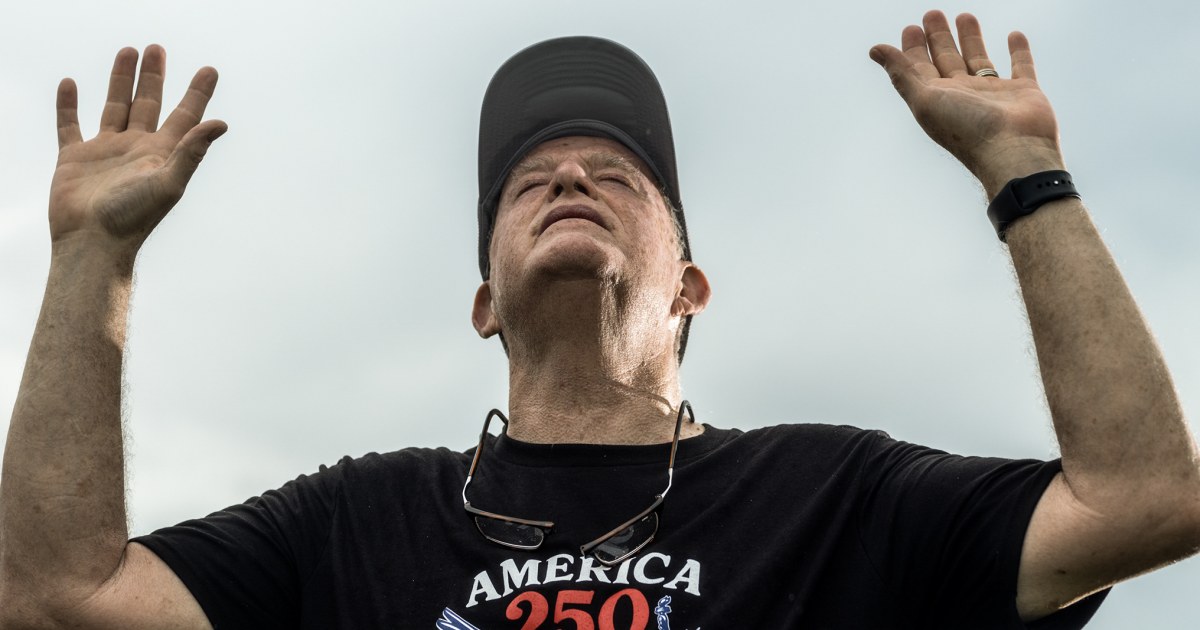
WASHINGTON, D.C. — In a spectacle that underscored the deepening intersection of faith and politics in American life, thousands of supporters gathered on the National Mall Sunday for a high-profile religious rally marking the nation’s 250th birthday. Dubbed “Rededicate 250,” the event featured speeches from senior Trump administration officials, conservative Christian leaders, and Republican lawmakers, all framed as a “solemn rededication” of the United States as “One Nation Under God.”
The rally, which drew attendees from across the country, came as President Donald Trump—who is serving his second non-consecutive term—faces growing scrutiny over his administration’s efforts to position religious conservatism as a cornerstone of national identity. Critics argue the event blurs the constitutional separation between church and state, while supporters view it as a necessary counter to what they describe as a “spiritual decline” in American society.
Organizers framed the gathering as both a celebration of America’s heritage and a call to arms against perceived threats to its moral foundations. “There’s spiritual forces that are seeking to destroy our nation, and they’re very bold right now,” one attendee from Minnesota told reporters, reflecting the event’s combative undertones. Meanwhile, lawmakers and faith leaders used the platform to reinforce their vision of America’s future—one rooted in traditional Christian values.
Event Highlights: Faith, Patriotism, and Political Messaging
The rally’s lineup included prominent Republican figures, each leveraging the platform to reinforce their political agendas. Secretary of State Marco Rubio delivered remarks emphasizing America’s Judeo-Christian heritage, while Defense Secretary Pete Hegseth and House Speaker Mike Johnson (R-La.) both framed the event as a defense against cultural and ideological challenges. The inclusion of more than a dozen Christian faith leaders—alongside a single rabbi—highlighted the event’s deliberate focus on evangelical and conservative Protestant perspectives.
According to organizers, the event was designed to contrast with what they perceive as an erosion of religious influence in public life. “Without God, we’d go nowhere,” said Joe Johnson of Asheville, North Carolina, a sentiment echoed by many in attendance. The rally’s programming included worship music, patriotic speeches, and calls for unity—though critics argue the messaging was less about inclusivity and more about mobilizing a specific political base.
Political and Religious Debates Surround the Rally
The event has sparked immediate backlash from secular and progressive groups, who argue that government-endorsed religious gatherings violate the First Amendment’s Establishment Clause. While the Trump administration has not explicitly tied the rally to policy initiatives, observers note its timing coincides with ongoing debates over religious exemptions in healthcare, education, and social services.
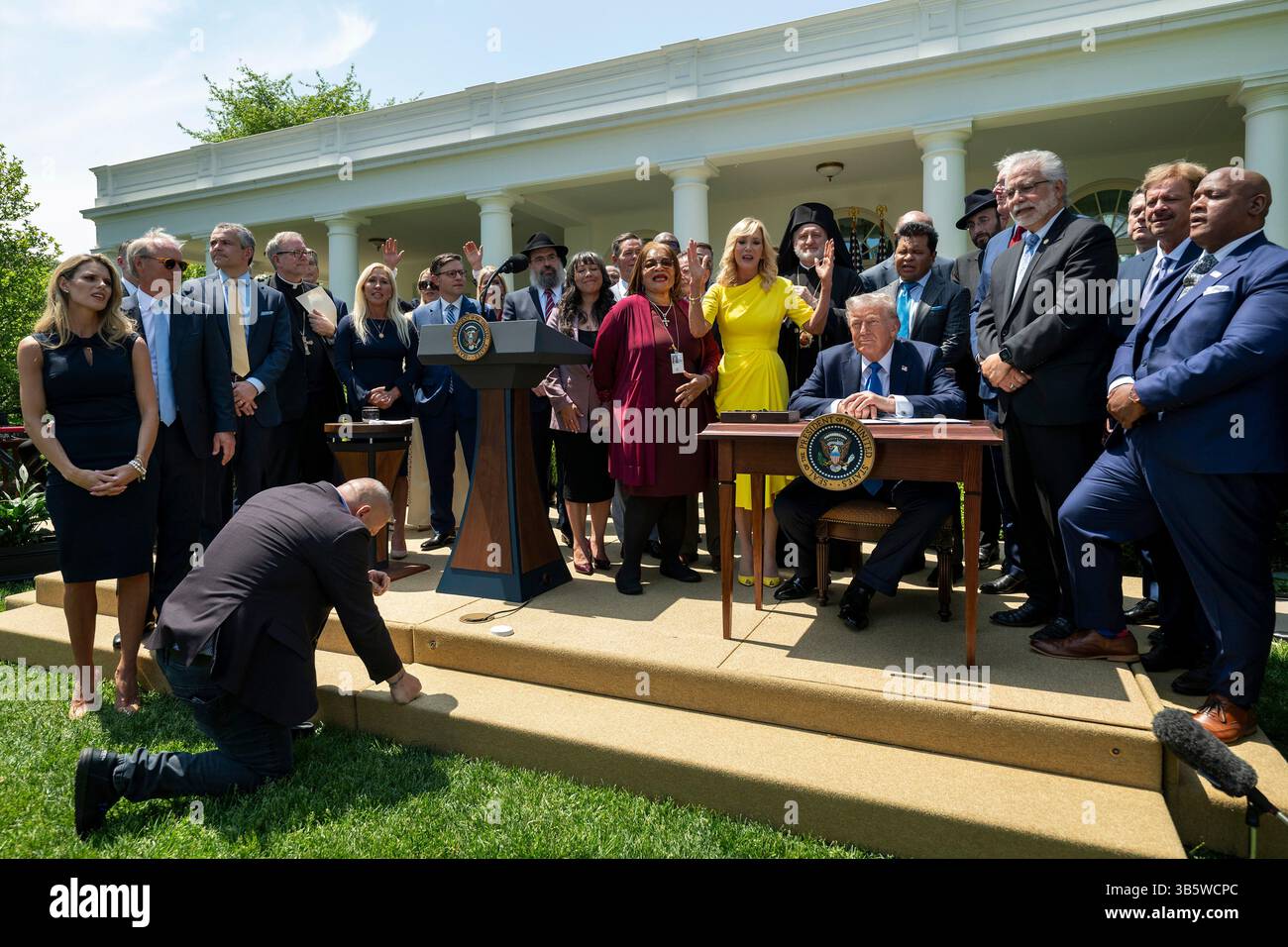
Dr. Sarah Thompson, a constitutional law professor at Georgetown University, cautioned that such events risk normalizing the use of public platforms for partisan religious messaging. “When the government hosts or endorses religious gatherings, it sends a signal that certain faith traditions are favored over others,” Thompson said in a statement. “That’s not just a symbolic issue—it has real implications for how minorities and non-believers are treated in public life.”
Broader Context: Faith and Politics in the Trump Era
The “Rededicate 250” rally is the latest in a series of high-profile events where the Trump administration has sought to align religious conservatism with national identity. Earlier this year, the White House hosted a similar gathering to mark the anniversary of the National Day of Prayer, while Trump himself has frequently invoked faith in his public rhetoric, particularly during campaign rallies and executive actions.
Analysts suggest the rally serves multiple purposes: reinforcing the president’s base ahead of the 2026 midterm elections, countering progressive critiques of his administration’s social policies, and positioning religious conservatism as a unifying (rather than divisive) force. However, the event’s exclusionary tone—particularly its emphasis on “spiritual attacks” and “moral decline”—has drawn comparisons to past controversies over government-endorsed religious displays.
What Happens Next?
While the rally itself has concluded, its political and legal repercussions may linger. Civil liberties groups have already signaled plans to monitor potential violations of the Establishment Clause, and Democratic lawmakers are expected to raise questions in upcoming congressional hearings. Meanwhile, the Trump administration has not indicated whether similar events will be scheduled in the coming months.

The next major checkpoint will be the House Judiciary Committee’s review of executive branch religious liberty policies, scheduled for June 2, 2026. That hearing will examine the legal boundaries of government-sponsored religious events and whether they constitute impermissible endorsement of faith.
Key Takeaways
- Event Purpose: The rally was framed as a “rededication” of America’s faith-based identity, blending patriotism with conservative Christian messaging.
- Political Alignment: Speakers included Trump allies Marco Rubio, Pete Hegseth, and Mike Johnson, reinforcing the administration’s ties to religious conservatism.
- Criticism: Critics argue the event violated church-state separation principles, while supporters view it as a necessary counter to secularism.
- Broader Trend: The rally is part of a pattern of high-profile religious gatherings under Trump, raising questions about the government’s role in endorsing faith.
- Legal Watch: Civil liberties groups are monitoring for potential Establishment Clause violations, with hearings planned for early June.
- Election Implications: The event may serve as a mobilizing tool for Trump’s base ahead of the 2026 midterms.
As debates over faith and governance continue, the “Rededicate 250” rally underscores the enduring—and often contentious—role of religion in American political life. For now, the focus remains on the legal and ethical questions raised by government-endorsed religious events, with stakeholders on both sides preparing for the next phase of this unfolding story.
What do you think? Should government officials host religious events on public platforms? Share your perspective in the comments below, and don’t forget to follow World Today Journal for ongoing coverage of this developing story.
Related reading