
A recent U.S. military operation in international waters resulted in the destruction of a go-fast vessel carrying three individuals suspected of involvement in transnational narcotics trafficking. The strike, conducted by assets operating under the purview of U.S. Southern Command (SOUTHCOM), was executed following the identification of the boat as a vessel of interest in ongoing counter-illicit drug trafficking efforts, according to official defense department records.
The engagement underscores the persistent and high-stakes nature of maritime interdiction operations in the Western Hemisphere, where the U.S. military, in coordination with interagency partners, maintains a constant presence to disrupt the flow of illicit cargo. While the specific tactical details of the strike remain subject to operational security protocols, the incident highlights the kinetic capabilities deployed by SOUTHCOM to enforce maritime security and address threats posed by criminal organizations operating in the Caribbean and Eastern Pacific corridors.
Maritime Security and Counter-Trafficking Operations
The U.S. military’s role in maritime interdiction is governed by a complex framework of international law and bilateral agreements designed to combat the movement of illicit substances. According to the U.S. Southern Command, these operations are not merely about seizing cargo but are part of a broader strategy to degrade the logistical networks of transnational criminal organizations. These groups often utilize “go-fast” vessels—low-profile, high-speed boats—to move contraband through the high seas, frequently operating outside the territorial waters of any single sovereign nation.
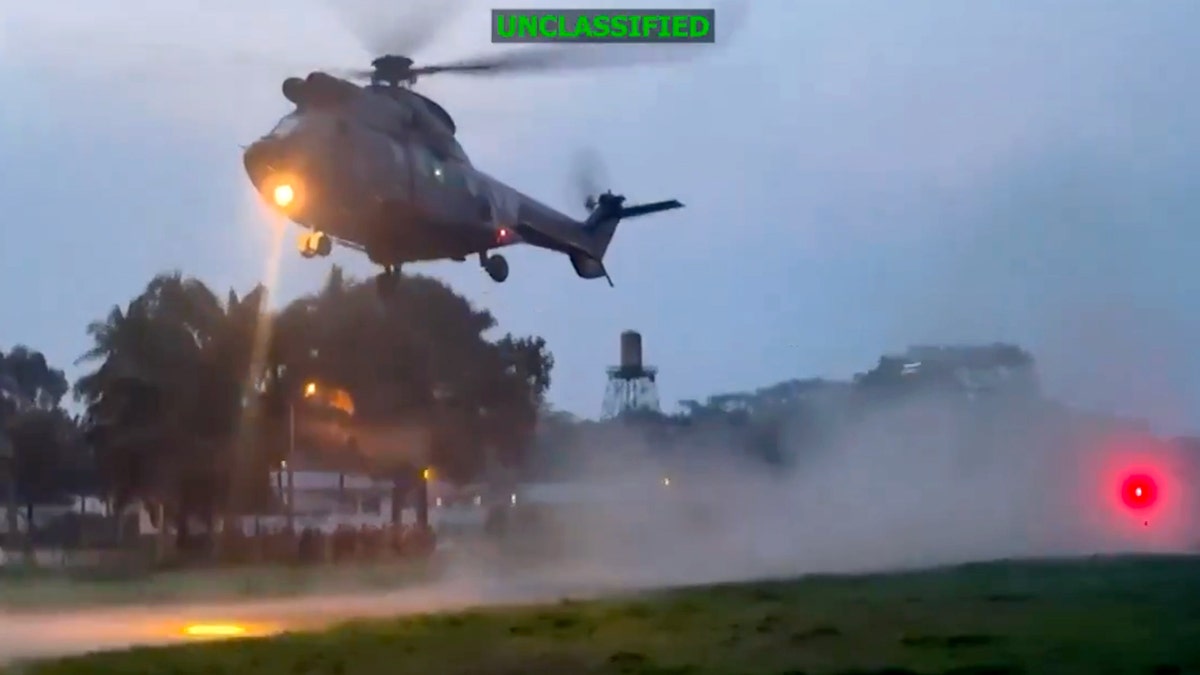
The use of kinetic force in such scenarios is a last-resort measure typically reserved for situations where non-compliant vessels present a direct threat or fail to adhere to lawful orders to stop for inspection. Under the Maritime Drug Law Enforcement Act, the United States asserts jurisdiction over vessels without nationality in international waters, allowing for boarding and enforcement actions. These operations are frequently supported by aerial surveillance and intelligence-gathering platforms that track suspect vessels across vast maritime distances, ensuring that interdiction teams have the information necessary to intervene safely and effectively.
The Logistics of the Strike
The recent engagement involved the identification of the target as a “Designated” vessel, a status often applied to craft that have been tracked and confirmed as participating in illicit activity. In such operations, the chain of command is rigorous. Decisions to utilize force are made at the tactical level by commanders who must weigh the immediate threat posed by the suspects against the risks to their own personnel. The Department of Defense maintains that such strikes are conducted in accordance with the rules of engagement established for counter-narcotics missions.
Video footage of such encounters, when released, serves to demonstrate the precision and intensity of these operations. While the visual evidence provides a clear view of the tactical outcome, it represents only a small fraction of the broader effort required to identify and intercept these vessels. The process involves coordination between the U.S. Coast Guard, which typically performs the boardings, and the U.S. Navy or other military branches, which provide the necessary logistical and kinetic support in hostile environments.
Impact on Transnational Criminal Networks
The disruption of these smuggling routes is a priority for regional security partners. According to the Drug Enforcement Administration, the volume of narcotics moved via maritime routes remains a primary challenge, with criminal organizations constantly evolving their tactics to evade detection. The loss of a vessel and its crew is a significant operational setback for these syndicates, as it involves not only the loss of high-value cargo but also the specialized personnel trained to operate in high-speed maritime environments.
For the communities affected by the downstream impacts of these narcotics—including increased violence and instability—the success of these interdiction efforts is viewed as a vital component of public safety. However, the persistence of these networks means that for every vessel intercepted, others often remain active. The strategy of the U.S. and its partners relies on a “persistent presence,” ensuring that the cost of doing business for these criminal organizations remains prohibitively high.
What Happens Next in Maritime Enforcement
Following an incident of this nature, the U.S. military typically conducts an internal review to ensure compliance with established protocols and legal standards. This process is standard procedure for any kinetic event involving military personnel. Simultaneously, investigators from the Department of Justice and the Coast Guard Investigative Service may work to process any recovered evidence that could lead to further intelligence on the criminal syndicates behind the shipment.

The public can expect future updates on these operations through official press briefings from the Pentagon or SOUTHCOM, which periodically release summaries of interdiction statistics and successful seizures. These reports are the primary source for verified data regarding the effectiveness of current counter-trafficking strategies. For those interested in the broader scope of these efforts, the Department of Homeland Security publishes annual reports detailing the scope of maritime security challenges and the resources allocated to meet them.
As the situation continues to develop, observers are encouraged to monitor official government portals for the most accurate information. We invite our readers to share their thoughts on the evolving nature of maritime security in the comments section below. Stay tuned to World Today Journal for further developments as official reports are released.