
Rental Reform Confusion Sparks Wrongful Evictions in Ireland, Tenants’ Charity Warns
DUBLIN — A leading tenants’ rights organization in Ireland has raised alarm over a surge in wrongful eviction notices, attributing the trend to widespread confusion among landlords about recent rental reforms. Threshold, a national housing charity, said it assisted more than 10,000 households with rental disputes in the first three months of 2026 alone, a record high that underscores the growing instability in the country’s private rental sector.
Ann-Marie O’Reilly, Threshold’s advocacy manager, told officials at the charity that the confusion stems from misinterpretations of legislation introduced on March 1, 2026. The reforms, designed to stabilize the rental market, apply only to recent tenancies established after that date. Still, many landlords appear to be mistakenly applying the rules to existing leases, leading to unlawful termination notices and heightened anxiety among tenants.
“It is vital that both landlords and tenants understand that these changes only apply to new tenancies from March 1, 2026,” O’Reilly said. “No tenant should be asked to leave their home because of this legislation.” Her comments reflect broader concerns about the unintended consequences of well-intentioned policy changes, particularly in a market already grappling with affordability crises and a chronic shortage of available housing.
Why the Confusion?
The March 2026 reforms introduced several key changes to Ireland’s rental laws, including new limits on rent increases and extended notice periods for evictions. However, the legislation explicitly states that these provisions apply only to tenancies created after March 1. Existing leases remain subject to the previous rules, a distinction that many landlords seem to have overlooked.

Threshold’s data suggests that the confusion has led to a spike in “no-fault” eviction notices, where landlords cite the new legislation as justification for terminating leases. In some cases, tenants have been told they must vacate their homes to allow for rent adjustments or property upgrades, even though their leases predate the reforms. The charity has also documented instances of “constructive evictions,” where landlords fail to maintain properties or withhold essential services, effectively forcing tenants to leave.
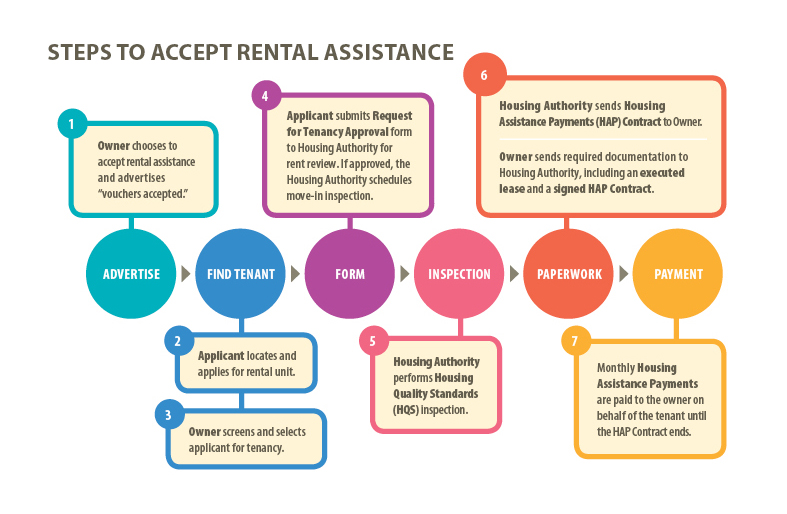
“If this move is treated as voluntary, the landlord could then raise the rent to market level for the next tenants,” O’Reilly warned. This practice, she added, risks pricing out low-income renters, particularly those reliant on the Housing Assistance Payment (HAP), a state subsidy that helps cover rental costs for eligible households. Threshold has called for an immediate increase in HAP limits to align with current market rates, arguing that the current caps leave many tenants unable to secure affordable housing.
Impact on Tenants and the Rental Market
The surge in wrongful eviction notices comes at a time when Ireland’s rental market is already under significant strain. According to the Residential Tenancies Board (RTB), the national median rent for new tenancies reached €1,750 per month in the first quarter of 2026, a 7.2% increase from the same period in 2025. In Dublin, the median rent for a one-bedroom apartment now exceeds €2,000, making it one of the most expensive cities in Europe for renters.
For tenants on HAP, the situation is particularly dire. The current HAP limits, which vary by county, have not been adjusted since 2023, despite rising rents. In Dublin, for example, the maximum HAP payment for a single person is €750 per month, far below the median rent for a one-bedroom apartment. Threshold has warned that this gap is pushing more low-income renters into homelessness or forcing them into substandard housing.
“The ability to reset rents to market levels between tenancies could put homes beyond the reach of low-income renters,” O’Reilly said. “We need urgent action to ensure that HAP limits reflect the reality of the rental market.”
Landlord Perspectives and Market Dynamics
While tenant advocates highlight the risks of the new reforms, some landlords argue that the legislation has created unintended disincentives for property owners. The Irish Property Owners’ Association (IPOA) has reported that a growing number of small landlords are exiting the market, citing increased regulatory burdens and financial pressures. The IPOA estimates that more than 3,000 rental properties were withdrawn from the market in the first quarter of 2026, further reducing the supply of available housing.
“Landlords are facing a perfect storm of rising costs, regulatory uncertainty, and tenant protections that make it difficult to manage their properties effectively,” said IPOA spokesperson John-Mark McCafferty. “Many are choosing to sell rather than navigate the complexities of the new system.”
However, tenant advocates counter that the exodus of landlords is not solely due to the reforms but also reflects broader economic pressures, including higher mortgage rates and property taxes. They argue that the solution lies in better education for landlords about their rights and obligations, as well as stronger enforcement of existing laws to prevent wrongful evictions.
What Happens Next?
Threshold has called on the Irish government to take immediate steps to address the confusion surrounding the rental reforms. Key demands include:

- A public awareness campaign to clarify which tenancies are subject to the new rules.
- An increase in HAP limits to reflect current market rents.
- Stronger enforcement of tenant protections, including penalties for landlords who issue wrongful eviction notices.
- Additional funding for tenant support services, such as Threshold, to handle the rising number of disputes.
The government has yet to respond to these demands, but Housing Minister Darragh O’Brien has acknowledged the challenges facing the rental market. In a statement to the Oireachtas (Irish Parliament) earlier this month, O’Brien said the government is “monitoring the situation closely” and will consider further measures if the confusion persists.
For now, tenants facing eviction notices are advised to seek legal advice and contact organizations like Threshold for support. The charity operates a national helpline and provides free advice to renters navigating disputes with landlords. More information is available on their website.
Broader Implications for Ireland’s Housing Crisis
The confusion over rental reforms is just one facet of Ireland’s broader housing crisis, which has seen rents rise by more than 80% over the past decade. The shortage of affordable housing has led to a sharp increase in homelessness, with more than 13,000 people, including 4,000 children, living in emergency accommodation as of March 2026, according to government data.
Experts warn that the current situation could worsen if the government fails to address the root causes of the crisis, including a lack of social housing, slow construction rates, and speculative investment in the property market. The March 2026 reforms were intended to provide some relief, but their implementation has highlighted the need for clearer communication and stronger safeguards to protect vulnerable tenants.
“This is not just about legal technicalities,” O’Reilly said. “It’s about people’s homes and their right to security. We cannot allow confusion to become a tool for displacement.”
Key Takeaways
- Confusion over new rental reforms: The March 2026 legislation applies only to new tenancies, but many landlords are mistakenly applying it to existing leases, leading to wrongful eviction notices.
- Record demand for tenant support: Threshold assisted more than 10,000 households in the first quarter of 2026, the highest number on record.
- Rising rents and HAP limits: Median rents have surged, but Housing Assistance Payment (HAP) limits have not been adjusted since 2023, leaving low-income renters at risk of homelessness.
- Landlord exodus: Some landlords are selling their properties due to regulatory burdens, further reducing the supply of rental housing.
- Calls for government action: Tenant advocates are urging the government to clarify the reforms, increase HAP limits, and enforce tenant protections more rigorously.
As Ireland grapples with its housing crisis, the confusion over rental reforms serves as a stark reminder of the challenges of balancing tenant protections with landlord incentives. For now, tenants are left navigating a complex and often confusing system, with many unsure of their rights or where to turn for help.
The next official update on the rental reforms is expected in June 2026, when the government is scheduled to release a progress report on the implementation of the new legislation. In the meantime, tenants and landlords alike are encouraged to seek advice from organizations like Threshold to ensure they understand their rights and obligations.
Have you been affected by the rental reforms in Ireland? Share your experience in the comments below or on social media using the hashtag #RentalReformIreland.