
As we mark World Thyroid Day, It’s essential to focus on the critical role this small, butterfly-shaped gland plays in our daily health. Located at the base of the neck, the thyroid serves as the body’s metabolic engine, orchestrating the speed at which our cells transform food into energy. Despite its vital function, thyroid disorders remain a significant public health concern, with global experts emphasizing the need for increased awareness, timely diagnosis, and evidence-based management of endocrine conditions.
For those navigating the complexities of thyroid health, understanding the basics is the first step toward effective care. The thyroid produces two primary hormones, triiodothyronine (T3) and thyroxine (T4), which are essential for regulating metabolic rate, protein synthesis, and development in children. When these levels fluctuate due to dysfunction—whether through hyperthyroidism, hypothyroidism, or inflammation—the impact on the body can be systemic and profound. According to the Cleveland Clinic, these conditions are common and, most importantly, treatable when addressed by medical professionals.
Understanding the Thyroid’s Role in Metabolism
The thyroid gland is an integral component of the endocrine system, a sophisticated network of glands that release hormones directly into the bloodstream to coordinate bodily functions. The process is tightly regulated: the hypothalamus produces thyrotropin-releasing hormone (TRH), which signals the anterior pituitary gland to secrete thyroid-stimulating hormone (TSH). This feedback loop ensures that the body maintains an appropriate metabolic rate. As noted in the scientific literature, the functional units of the thyroid—spherical follicles lined with thyrocytes—are responsible for the synthesis of these hormones, alongside calcitonin, which assists in calcium homeostasis.
When this delicate balance is disrupted, the consequences can range from fatigue and weight fluctuations to more serious complications such as thyroid nodules or thyroid cancer. Because the thyroid influences nearly every cell in the body, symptoms of thyroid dysfunction are often diverse and can be mistaken for other health issues. This is why clinical evaluation, rather than self-diagnosis, is paramount.
The Intersection of Nutrition and Endocrine Health
In recent years, the medical community has placed a renewed focus on the “diet-gut-thyroid axis,” exploring how nutritional intake influences long-term glandular function. While various lifestyle trends often suggest restrictive diets for thyroid support, clinical guidance emphasizes a balanced approach. Nutritional status is a critical factor in the synthesis of thyroid hormones, and deficiencies can exacerbate existing conditions. As highlighted in a narrative review published in the journal Nutrients, the role of specific dietary components is an evolving area of study that underscores the necessity of personalized medical nutrition therapy rather than generalized advice.
Patients are encouraged to discuss any changes to their diet, including the use of supplements, with their endocrinologist. Misinformation regarding “thyroid-friendly” diets is widespread, and it is vital for patients to rely on peer-reviewed clinical data. The goal is to provide the thyroid with the necessary building blocks to function optimally without relying on unproven interventions that may interfere with prescribed hormone replacement therapies or other medications.
Managing Thyroid Disorders: A Path Forward
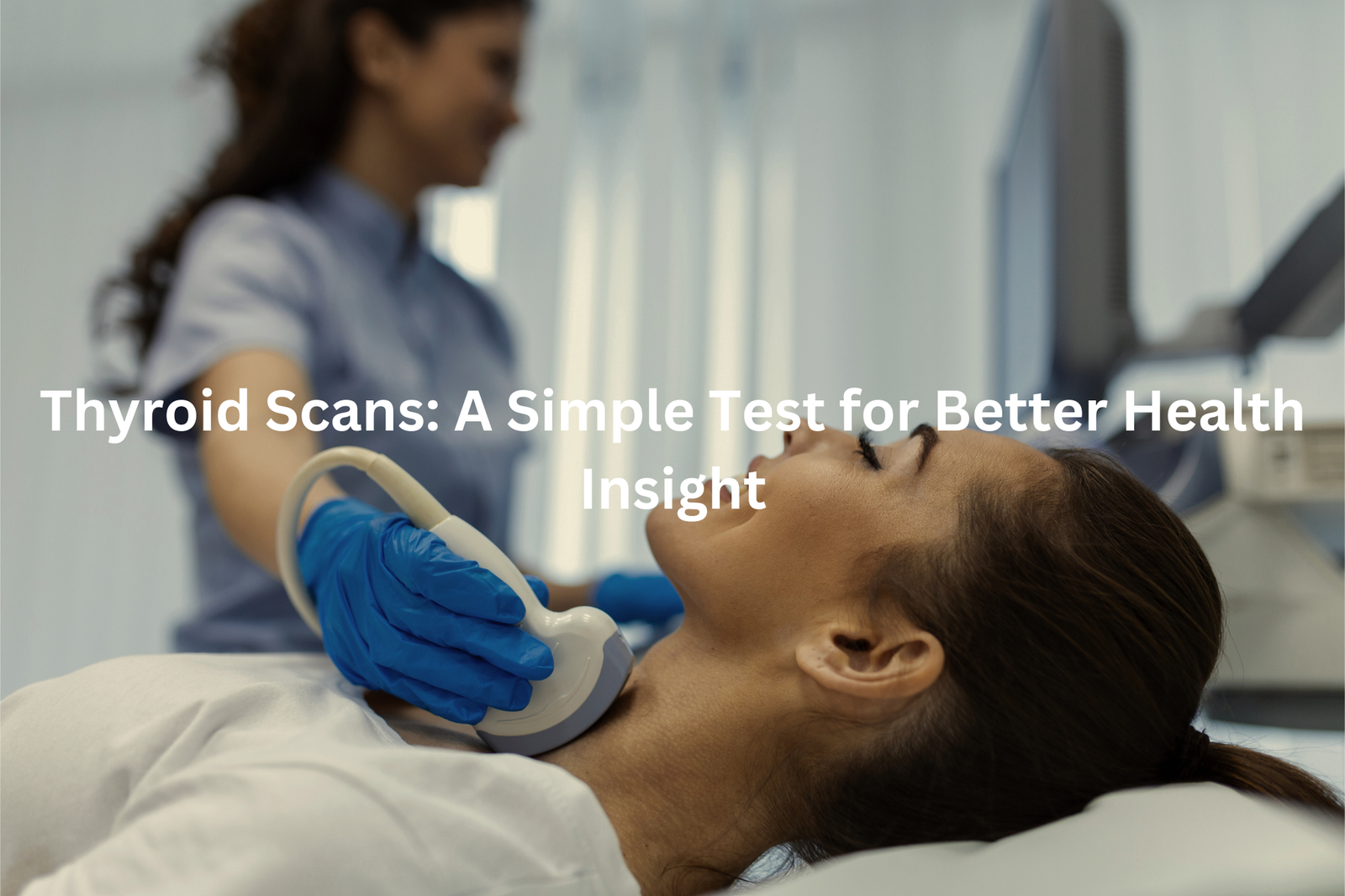
Advancements in medical diagnostics and therapeutic options have significantly improved outcomes for patients living with thyroid disorders. Modern clinical practice emphasizes regular screening for high-risk individuals and the use of ultrasound and fine-needle aspiration for the evaluation of nodules. For those diagnosed with thyroid cancer, the prognosis is often excellent, provided the condition is detected early and managed through a multidisciplinary team approach.
Effective management begins with regular monitoring of TSH levels and a consistent dialogue with healthcare providers. Whether one is dealing with Hashimoto’s thyroiditis, Graves’ disease, or simple goiter, the emphasis must remain on evidence-based treatment plans. Patients should seek care from board-certified endocrinologists who can tailor treatment to their specific hormonal profile and overall health history.
Key Takeaways for Thyroid Health
- Know your symptoms: Unexplained fatigue, weight changes, or neck swelling should always be evaluated by a healthcare professional.
- Prioritize evidence: Rely on information from academic medical centers and peer-reviewed journals rather than non-clinical online sources.
- Consult the experts: Always discuss dietary changes or supplement use with your endocrinologist to prevent interactions with your treatment plan.
- Regular monitoring: Consistent follow-up ensures that hormone replacement dosages remain appropriate for your body’s changing needs.
As we continue to observe World Thyroid Day, the focus remains on empowering patients with accurate information. By fostering a deeper understanding of how the thyroid functions and how it can be supported through proper medical care, People can ensure that patients live healthier, more vibrant lives. If you have concerns about your thyroid health, I encourage you to reach out to your primary care physician to discuss a screening plan tailored to your needs. Stay informed, stay proactive, and prioritize your long-term wellness.
Related reading