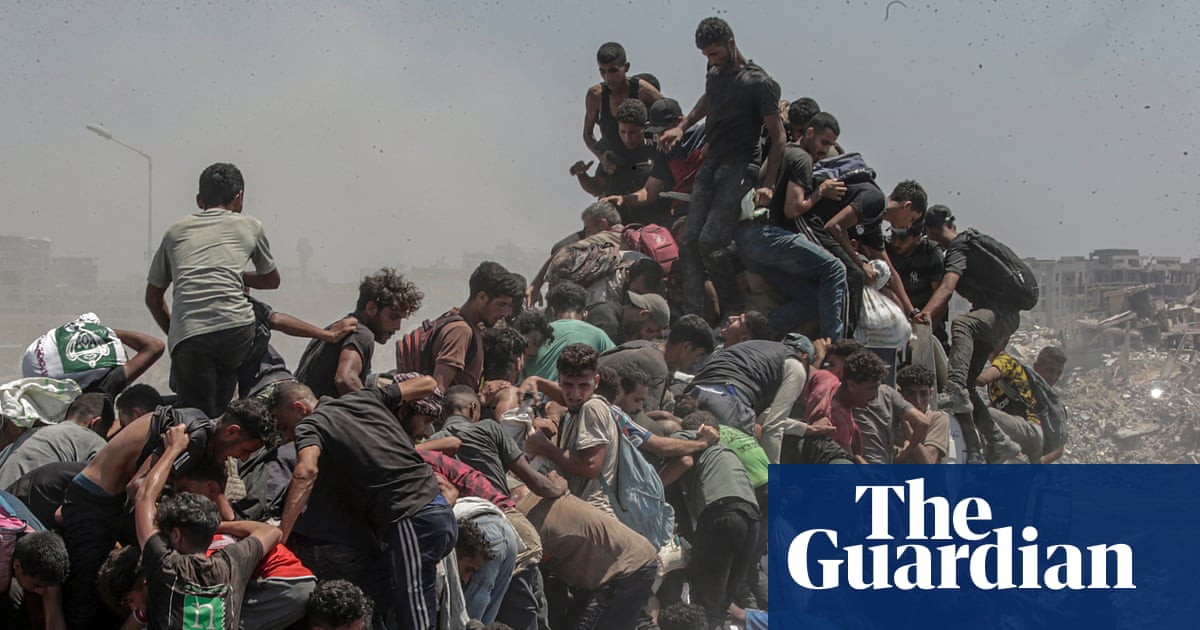
The strategic use of hunger as a weapon of war has emerged as a grave concern for international observers, with recent analysis highlighting a disturbing surge in food-related violence. As global food systems become increasingly intertwined with geopolitical instability, the deliberate targeting of agricultural infrastructure and supply chains has left millions of civilians facing acute nutritional crises. This trend, which marks a significant departure from traditional combat norms, poses profound challenges to international humanitarian law and the stability of vulnerable populations worldwide.
Recent data indicates that the exploitation of hunger as a tool of conflict has intensified, with more than 20,000 documented incidents of “food-related violence” recorded since 2018. According to research from the World Peace Foundation, these attacks frequently target the essential components of civilian survival, including local marketplaces, irrigation systems, and humanitarian supply lines. This systematic disruption is not merely a byproduct of warfare but, in many documented instances, a deliberate strategy to exert pressure on opposing forces by depriving communities of their basic means of sustenance.
The Anatomy of Food-Related Violence
The scope of this violence is both vast and specifically targeted. Analysis suggests that since 2018, there have been 1,261 strikes on markets—the hubs of daily life where families procure their groceries. Researchers have documented 863 incidents in which food distribution systems were directly targeted, often resulting in the deaths of aid workers and logistics personnel. These findings are detailed in the World Peace Foundation’s report on famine and the weaponization of starvation, which tracks the intersection of conflict and food insecurity.
The impact of these attacks extends far beyond the immediate loss of life. When markets are destroyed or distribution networks are severed, the resulting scarcity leads to hyperinflation of food prices, rendering basic nutrition inaccessible to the most vulnerable. In conflict zones, this often forces families to resort to extreme coping mechanisms, such as reducing meal sizes or abandoning agricultural land, which further exacerbates the long-term risk of famine. The International Committee of the Red Cross (ICRC) has consistently warned that the destruction of objects indispensable to the survival of the civilian population is a violation of international humanitarian law.
Legal and Humanitarian Implications
Under international humanitarian law, particularly the Geneva Conventions, the protection of objects necessary for the survival of the civilian population is explicitly mandated. The Rome Statute of the International Criminal Court also classifies the intentional starvation of civilians as a method of warfare as a war crime in international armed conflicts. Despite these legal frameworks, the practical application of accountability remains difficult due to the complexities of documenting these incidents in active war zones.
The challenge for the international community lies in both the documentation of these events and the enforcement of protective measures. Humanitarian organizations are increasingly advocating for greater transparency and the systematic monitoring of food-related infrastructure. By categorizing these incidents as “food-related violence,” analysts hope to provide legal bodies with the evidence required to pursue investigations into potential war crimes. The United Nations Office of the High Commissioner for Human Rights has noted that the use of starvation as a weapon can have devastating, irreversible effects on entire generations, necessitating a more robust global response.
Addressing the Cycle of Hunger
Breaking the cycle of hunger in conflict-affected regions requires a multi-faceted approach that goes beyond emergency food aid. While immediate relief is critical, it must be paired with efforts to restore local food systems and ensure the safety of agricultural workers. Solutions often discussed by international policy experts include:
- Strengthening the legal protection of humanitarian corridors to ensure the safe passage of food and medical supplies.
- Investing in the resilience of local markets to withstand shocks, including the provision of micro-grants for small-scale farmers.
- Enhancing international monitoring and reporting mechanisms to ensure that attacks on food infrastructure are documented by independent bodies.
As the international community continues to grapple with these issues, the focus remains on the upcoming Food and Agriculture Organization (FAO) briefings, which are scheduled to address the global state of food security in conflict zones later this year. These meetings serve as a critical checkpoint for member states to assess the effectiveness of current humanitarian interventions and to propose new strategies for mitigating the impact of war on global food supplies.

The crisis of hunger as a weapon of war is a complex, evolving challenge that demands sustained attention from policymakers, human rights advocates, and the global public. By understanding the mechanisms behind this violence, the international community can better work toward policies that prioritize the protection of civilian life and the preservation of food security, even in the most volatile environments. We invite our readers to share their perspectives on this urgent issue in the comments section below as we continue to track these developments.
Related reading