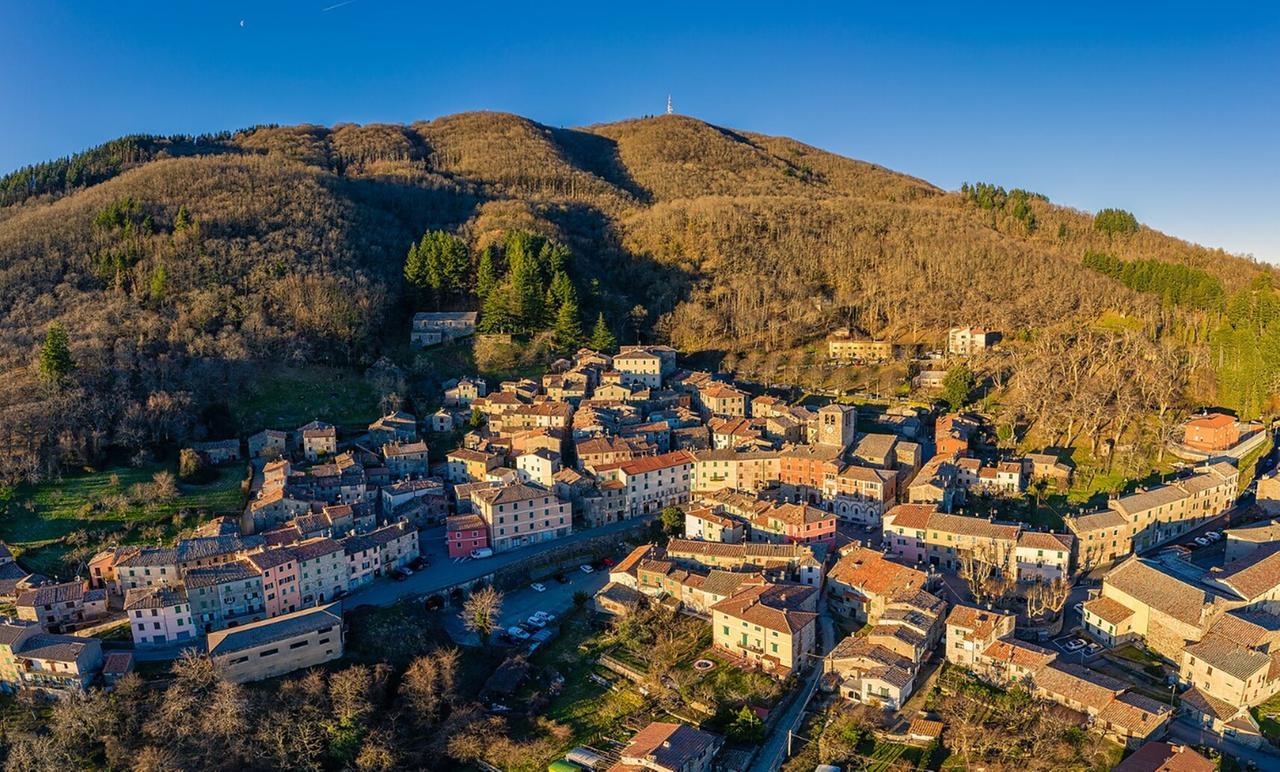
In the rolling hills of Tuscany, the medieval village of Montieri has emerged as a focal point for a growing European trend: the revitalization of rural communities through strategic property initiatives. Faced with the persistent challenge of demographic decline—a phenomenon affecting numerous historic Italian hamlets—local officials have implemented targeted housing policies designed to attract new residents and stimulate economic activity.
The municipal administration, under the leadership of Mayor Nicola Verruzzi, has framed these efforts as a vital intervention to curb the exodus of families and prevent the abandonment of the town’s historic center. By leveraging the appeal of affordable property, the local government aims to transition from a period of stagnation toward a more sustainable future for the community.
Strategic Repopulation and Economic Growth
The approach taken by Montieri is part of a broader national discourse regarding the preservation of Italy’s architectural and cultural heritage. While the concept of selling homes for nominal prices has gained global attention, the actual implementation often involves complex legal and bureaucratic frameworks. According to the Italian National Institute of Statistics (ISTAT), rural depopulation remains a significant structural issue, particularly in inland areas where services and economic opportunities have historically migrated toward urban centers.
For a town like Montieri, the goal is not merely to sell property but to foster long-term residency. This involves coordinating with property owners and potential buyers to ensure that renovations meet local safety standards and aesthetic regulations. The revitalization of a village center requires more than just the transfer of deeds; it necessitates the integration of new inhabitants into the existing social fabric, ensuring that schools, local commerce, and civic services remain viable for years to come.
The Challenges of Managing Rural Heritage
Revitalizing a historic borgo—a traditional Italian term for a small, fortified village—presents unique logistical hurdles. Many of the properties available in these initiatives require substantial investment to bring them up to modern energy efficiency and structural standards. These requirements are often governed by both municipal zoning laws and broader national regulations concerning the conservation of heritage sites, as overseen by the Ministry of Culture (MiC).

For investors and families considering a relocation, understanding the regulatory landscape is essential. Renovating a historic home in Tuscany often involves navigating strict guidelines to preserve the character of the facade and the surrounding environment. Despite these constraints, the allure of the Tuscan lifestyle continues to draw interest from both domestic and international buyers seeking a slower pace of life in a region renowned for its history, landscape, and culinary traditions.
Key Considerations for Potential Residents
- Regulatory Compliance: All renovation projects must adhere to local planning permissions and, where applicable, heritage preservation guidelines.
- Infrastructure Access: Prospective buyers are encouraged to review the availability of digital infrastructure and transport links, which are critical for those maintaining remote professional roles.
- Community Integration: Success in these initiatives is often measured by the ability of new residents to contribute to the local economy and participate in civic life.
Looking Ahead: Sustainability and Future Planning
The success of Montieri’s strategy depends on the continued ability of the municipal government to balance growth with the preservation of the village’s unique identity. As the Italian government continues to monitor demographic shifts through the Presidency of the Council of Ministers, projects that demonstrate successful community-led repopulation may serve as templates for other regions facing similar pressures.

The transition from a declining village to a thriving community is a multi-year effort that requires ongoing commitment from both the public and private sectors. As property renovations progress and families settle into their new homes, the focus will likely shift toward sustaining these gains through continued investment in local services and tourism infrastructure.
Readers interested in the latest developments regarding local municipal policies are encouraged to monitor official announcements from the Montieri town hall. As further data on the impact of these housing initiatives becomes available, it will provide a clearer picture of how effectively rural Italy can adapt to the economic demands of the 21st century.
What are your thoughts on the revitalization of historic villages through housing incentives? Share your perspective in the comments section below, and stay tuned for further updates on rural economic development.
Related reading