
Wildfire activity has emerged in the Boundary Waters Canoe Area Wilderness (BWCAW), prompting officials to implement immediate safety restrictions for visitors. The Tiger Fire and the Loon Fire, both active in the remote northern Minnesota region, have led to a ban on wood campfires throughout the wilderness area to mitigate the risk of further ignition.
According to the USDA Forest Service, the Tiger Fire is currently estimated at approximately 4 acres, while the Loon Fire is reported at roughly 1 acre. These incidents are situated in the Superior National Forest, a vast landscape that has seen increased fire management attention due to current dry conditions. Visitors planning travel in the vicinity of these blazes are being urged to avoid the immediate areas to ensure their safety and to allow emergency crews unimpeded access.
Campfire Restrictions and Public Safety
Effective immediately, the Superior National Forest has issued a forest order prohibiting the use of wood-fueled campfires across the entire Boundary Waters Canoe Area Wilderness. The restriction is a standard preventative measure designed to prevent human-caused fire starts during periods of heightened wildfire danger. While traditional campfires are prohibited, the Forest Service has clarified that visitors may continue to use gas and propane-fueled campfires, provided they are used for cooking purposes and are attended to at all times.
The Superior National Forest officials emphasize that the primary intent of these restrictions is to reduce the overall fire load on the landscape. With the Tiger and Loon fires currently active, the risk of wildfire spread is a significant concern for land managers. Failure to comply with these restrictions can result in fines or other legal actions, and the forest service encourages all visitors to check for the latest updates on the official Superior National Forest website before embarking on their trips.
Understanding the Boundary Waters Fire Risk
The Boundary Waters region is a unique ecosystem, characterized by its dense forests and extensive waterways. Fire has historically played a natural role in these ecosystems, but the recent emergence of these specific fires highlights the importance of human vigilance. The National Park Service notes that fire management strategies in the broader region often involve a mix of suppression and monitoring, depending on the proximity of the blaze to human populations and critical infrastructure.
The current situation in the Boundary Waters serves as a reminder of the volatility of the forest environment, especially during the summer months. According to the Minnesota Department of Natural Resources, fire danger ratings are updated frequently, and residents and visitors alike are encouraged to monitor these ratings to stay informed about changing conditions. The combination of high temperatures and potential for dry fuel accumulation can quickly elevate the risk of wildfire in the upper Midwest.
What Visitors Should Know Before Traveling
For those currently in or planning to visit the Boundary Waters, the most critical step is to stay informed. Official bulletins are the only reliable source of information regarding trail closures, portage accessibility, and fire status. The Forest Service recommends that individuals monitor the alerts and notices page for the most recent information regarding the Tiger and Loon fires.
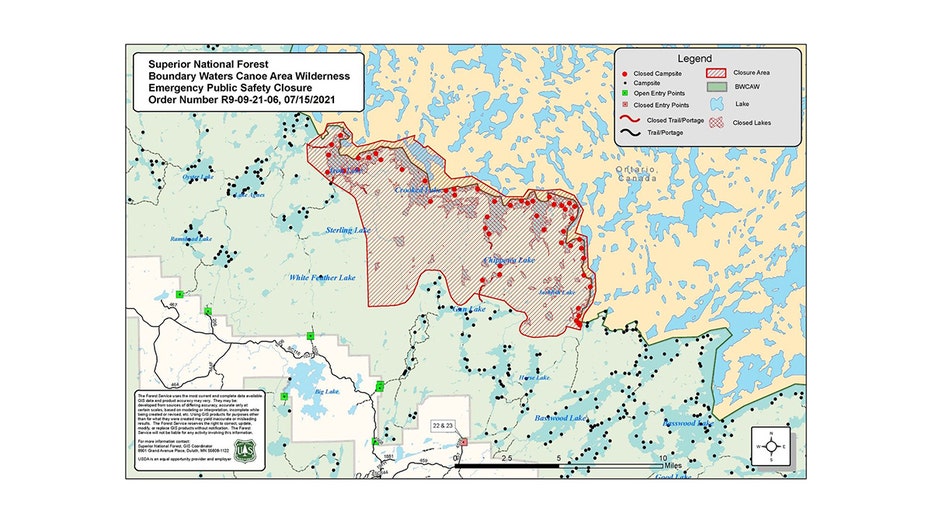
Travelers are advised to pack appropriately for the current restrictions, ensuring they have the necessary equipment to cook meals without relying on open wood fires. Furthermore, those who observe smoke or flames should report the location immediately to local authorities rather than attempting to investigate the situation themselves. By adhering to these guidelines, visitors play an essential role in protecting the wilderness area and supporting the efforts of firefighters working to contain the current blazes.
The next update regarding the status of the Tiger and Loon fires and any potential modifications to the existing campfire ban will be provided by the Superior National Forest as containment efforts progress. We encourage our readers to share this information with fellow outdoor enthusiasts and to leave a comment below if you have questions regarding current forest safety protocols.
Keep reading