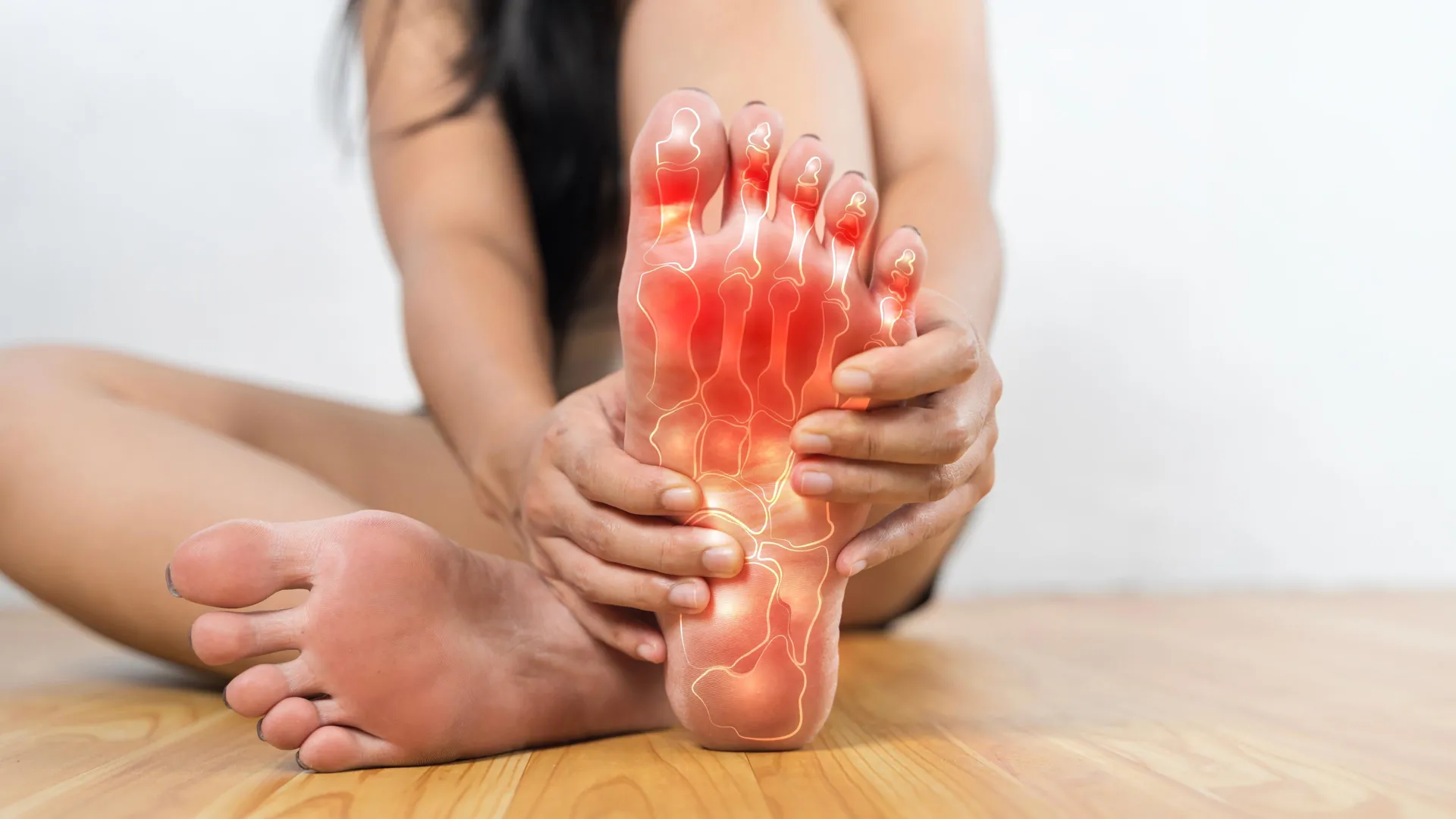
are you experiencing sudden, intense joint pain, often in your big toe? It could be gout,a common form of inflammatory arthritis affecting millions worldwide. As of late 2025, approximately 41 million people globally live with this condition, with around seven million new diagnoses occurring annually. Understanding this often-misunderstood ailment is crucial for effective management and preventing debilitating flare-ups.
Understanding Gout: Symptoms and Causes
Gout arises from an excess of uric acid in the bloodstream, leading to the formation of crystals that deposit in the joints. These crystals trigger inflammation, resulting in the hallmark symptoms of gout: intense pain, swelling, redness, and tenderness. While often affecting the big toe, gout can impact any joint in your body. It’s vital to remember that gout isn’t simply a result of a poor diet; it’s a complex interplay of genetic predisposition, kidney function, and lifestyle factors.
Despite its prevalence, many individuals lack a thorough understanding of gout, hindering effective self-management and treatment adherence. Current medical recommendations emphasize long-term urate-lowering therapy as the most effective strategy, yet a meaningful number of patients still struggle to achieve optimal control of their condition.
The Rise of Health Information on Social media
In today’s digital age, social media platforms have become primary sources of health information for many. Approximately 98% of individuals aged 12 and older utilize at least one social media platform, and over half of those living with health conditions actively share related information online. TikTok, with its 1.2 billion users as of January 2026, has emerged as a notably influential platform, shaping beliefs and influencing health-related decisions.
Recent data indicates a significant trend: around 70% of women aged 18-29 actively seek health information on TikTok, while an even larger 92% encounter such content organically. This highlights the platform’s pervasive reach and its potential to both inform and misinform.
Analyzing Gout-related Content on TikTok
A recent analysis examined the first 200 TikTok videos appearing under the hashtag “gout” on December 5, 2024. The findings revealed a diverse range of content creators: 27% were individuals living with gout or their family members,24% were healthcare professionals,and 23% were members of the general public.
The
Keep reading