
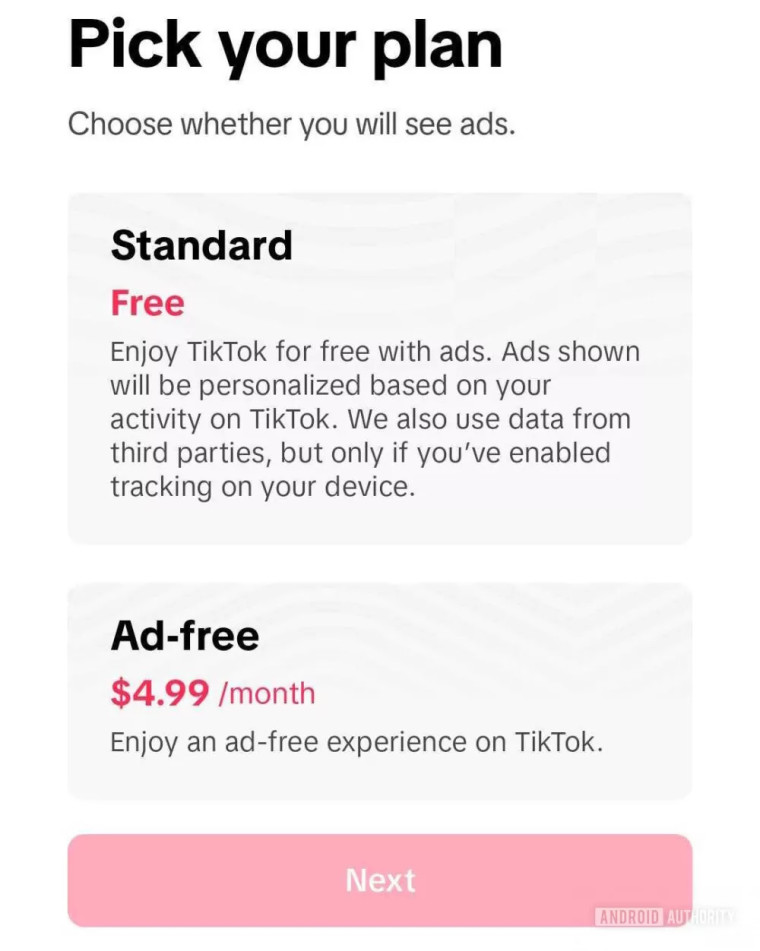
TikTok is introducing a new financial layer to its user experience in the United Kingdom, offering a paid subscription that allows users to browse the platform without the interruption of traditional advertisements. The move signals a significant shift in how the short-form video giant monetizes its massive UK audience, moving toward a hybrid model that blends advertising revenue with direct consumer payments.
Starting Monday, TikTok will begin notifying users aged 18 and over about the new “TikTok Ad-Free” subscription. For a monthly fee of £3.99, subscribers can remove the ads typically delivered by the company across the app, including those that appear within the highly personalized For You feed. Users will be prompted to choose between this paid experience or continuing to use the app for free with personalized ads by November 11.
This rollout follows a period of global testing for ad-free monthly subscriptions that began in 2023. By implementing this tier in the UK, TikTok joins a growing list of social media platforms—including Meta’s Facebook and Instagram, as well as Snapchat—that have introduced similar “pay-for-privacy” or ad-free options in recent years.
As a journalist who has spent nearly a decade at the intersection of software development and tech reporting, I have observed a clear industry-wide trend: the “ad-targeting machine” is becoming an opt-out service rather than a default. For many users, the cost of £3.99 is a small price for a cleaner interface, but for the platforms, it creates a stable, recurring revenue stream that is less dependent on the volatility of the digital ad market.
How the TikTok Ad-Free Subscription Works
The new subscription is designed specifically for adult users, with notifications being rolled out via pop-ups over the coming months. The primary draw is the elimination of platform-served advertisements, which are the sponsored clips that blend into the organic scroll of the For You feed.
According to BBC reporting, the subscription costs £3.99 per month. This pricing aligns closely with the subscription tiers introduced by other major social platforms, positioning the service as an affordable luxury for power users who find frequent ad interruptions disruptive to their consumption habits.
Kris Boger, TikTok’s UK managing director, stated that the ad-free option is intended to give users “greater control over their experience.” Boger emphasized that this new tier exists alongside the existing ad-supported model, which continues to help thousands of British businesses reach new customers and generate economic impact.
The Distinction Between Platform Ads and Sponsored Content
It is critical for users to understand that “ad-free” does not mean a total absence of commercial content. While the subscription removes ads delivered directly by TikTok’s advertising system, it does not eliminate content created by influencers or brands.
Subscribers will still see videos posted by creators who have been paid or sponsored to promote specific products or services. These are the organic-style promotions often identified with the “#ad” hashtag. Because these videos are uploaded as standard content by the creators themselves rather than served as programmatic ads by TikTok, they remain visible to all users regardless of their subscription status.
This distinction is a key part of the platform’s ecosystem. TikTok relies heavily on the creator economy; removing sponsored creator content would alienate the incredibly influencers who drive the platform’s cultural relevance. By only removing the platform-inserted ads, TikTok maintains its relationship with creators while offering a streamlined experience for the viewer.
The Broader Trend of “Pay-to-Avoid” Models
The introduction of TikTok Ad-Free is part of a wider strategic pivot across the tech industry. Social media expert Matt Navarra suggests that this is part of a pattern where firms are essentially “putting a monthly price on stepping outside of the ad-targeting machine.”
This shift is driven by several factors:
- Privacy Regulations: With stricter data protection laws in Europe and the UK, the ability to target ads with surgical precision has become more complex. Paid tiers provide a revenue hedge against declining ad efficiency.
- User Fatigue: As ad loads increase to meet growth targets, “ad blindness” and user frustration rise. A paid tier captures value from the segment of the population most bothered by these interruptions.
- Revenue Diversification: Relying solely on advertisers makes a platform vulnerable to economic downturns. Direct-to-consumer subscriptions provide a predictable monthly cash flow.
For the average user, the choice is simple: pay for a frictionless experience or “pay” with their data and attention. This duality is becoming the standard architecture for the modern internet, moving away from the “free” era of the early 2010s toward a more transactional relationship between the user and the service provider.
Key Takeaways for UK Users
- Cost: The subscription is priced at £3.99 per month.
- Eligibility: Available to users aged 18 and over.
- Deadline: Users must decide whether to subscribe or remain on the free, ad-supported version by November 11.
- Coverage: Removes platform-served ads in the For You feed but does NOT remove sponsored creator content (e.g., #ad posts).
- Notification: Users will be notified via in-app pop-up notifications over the next few months.
As TikTok continues to integrate shopping and LIVE streaming into its core offering, the introduction of a subscription model may be the first of many “premium” features. Whether this leads to a tiered membership system with additional creative tools or enhanced discovery features remains to be seen.

The next major milestone for UK users is the November 11 deadline, by which time the transition to either the ad-free or ad-supported experience will be finalized for those notified.
Do you think a monthly fee is a fair trade for an ad-free social media experience, or should these platforms remain entirely free? Let us know your thoughts in the comments below.