Nigeria Seeks Digital Sovereignty: A Push for Control Over TikTok and Social Media Regulation
Nigeria is taking a firm stance on regulating social media platforms, especially TikTok, asserting its right to define digital safety and content standards within its borders.This move reflects a growing global trend of nations seeking “digital sovereignty” - the ability to control their own digital space.The implications for TikTok, its millions of Nigerian users, and the future of online content moderation are important.
The Core of the Issue: Balancing Entertainment and National Advancement
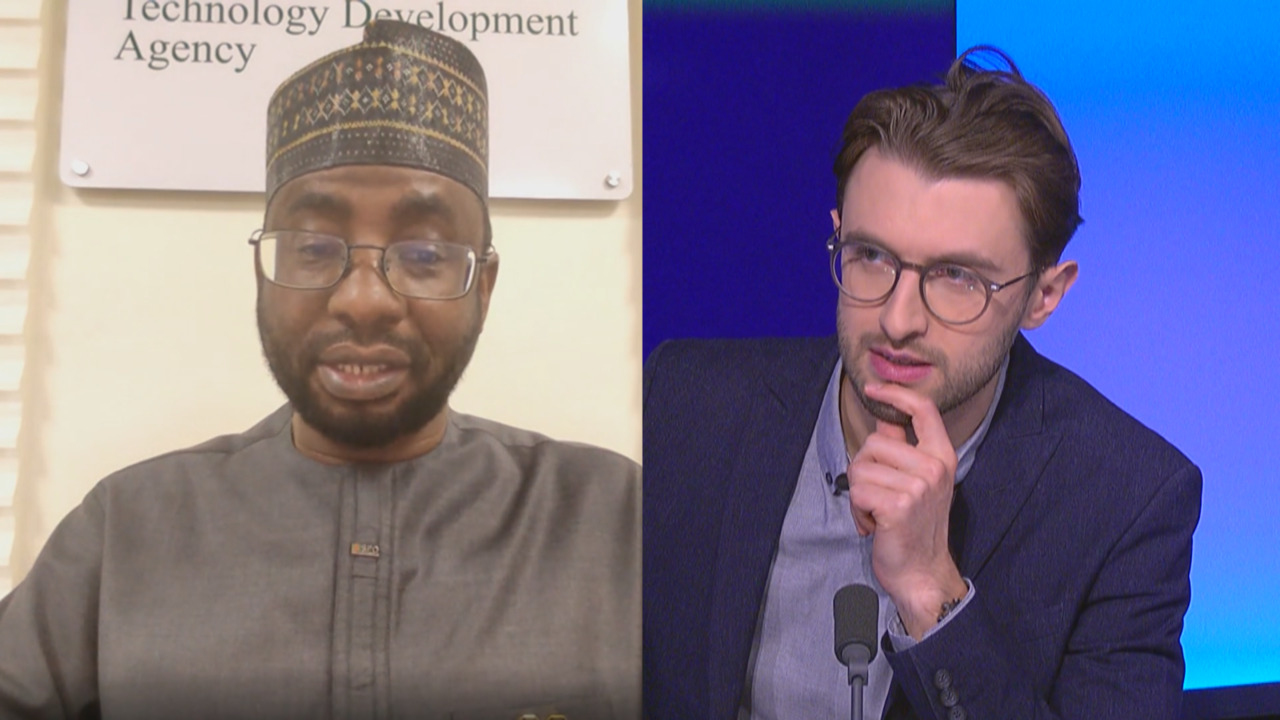
Kashifu Inuwa Abdullahi, Director General of the National Information Technology Development Agency (NITDA), recently voiced concerns about TikTok’s prevalence in Nigeria. While acknowledging the platform’s entertainment value, he emphasized a desire to see it utilized for “digital safety” and “building a stronger nation.”
Currently, a substantial portion of TikTok’s use in Nigeria focuses on entertainment, potentially diverting youth from skill development crucial for future success. This concern isn’t isolated; it’s part of a broader debate about the societal impact of social media and the need to balance freedom of expression with national interests.
Drawing Inspiration from the US Approach
Abdullahi pointed to the United States’ efforts to bring TikTok’s US operations under domestic control as a model for Nigeria. The US approach,though controversial,highlights a desire to influence platform policies and ensure alignment with national security and economic interests.
“What is good for the US is also good for Africa and Nigeria,” Abdullahi stated, emphasizing the need for Nigeria to be “on the driver’s seat as a sovereign nation.” This sentiment underscores a frustration with existing content policies dictated by global platforms, which may not adequately consider local laws and cultural nuances.
Nigeria’s Existing Regulations and tiktok’s Response
Nigeria is already actively regulating online content through NITDA’s Code of Practice. This code mandates the swift removal of harmful content – within 24 hours of being flagged by authorities – with no appeals process.
TikTok has demonstrated a willingness to comply, removing over 7.5 million videos in Nigeria during the first half of 2023, nearly double the number removed in the same period last year. However, regulators believe thes removals aren’t sufficient.The focus is shifting towards proactively defining what content is acceptable for Nigerian citizens, rather than simply reacting to flagged material.
Concerns About Automated Moderation and Censorship
While NITDA pushes for greater control, experts express concerns about the potential for heavy-handed or automated content moderation. Overly aggressive filtering could stifle legitimate expression and lead to unintended consequences.
Finding the right balance between protecting citizens and preserving freedom of speech remains a critical challenge. The debate highlights the complexities of regulating a dynamic platform like TikTok, where content is generated rapidly and frequently enough relies on subjective interpretation.
Evergreen Insights: The Global Rise of Digital Sovereignty
The situation in Nigeria is emblematic of a larger global trend. Countries worldwide are increasingly asserting their digital sovereignty, driven by concerns about:
* Data Privacy: Protecting citizen data from foreign access and misuse.
* National Security: Safeguarding against disinformation campaigns and cyber threats.
* Cultural Preservation: Promoting local content and values online.
* Economic Growth: Fostering a domestic digital economy.
This trend is likely to intensify as governments grapple with the evolving power of big Tech and the need to regulate the digital realm. Expect to see more nations enacting laws and policies aimed at controlling their digital destinies.
Frequently Asked Questions About TikTok Regulation in Nigeria
1. What is digital sovereignty, and why is Nigeria pursuing it regarding TikTok?
Digital sovereignty refers to a nation’s ability to control its own digital space, including data, infrastructure, and content. Nigeria is pursuing it to ensure tiktok aligns with its national laws, cultural values, and developmental goals.
2. How many TikTok users are in Nigeria, and why is this market significant?
Nigeria boasts approximately 37 million tiktok users over the age of 18, making it a significant market for the platform. This large user base underscores the importance of regulating the platform to protect its citizens.
3. What does NITDA’s Code of Practice require of social media platforms like TikTok?
NITDA’s Code of Practice mandates that social media platforms remove harmful content within 24 hours of being flagged by authorities, without offering an appeals
Related reading