The Lung’s Hidden Reset Button: How New Research Unlocks Regenerative Potential for Chronic Lung Disease
(Last Updated: October 26, 2023)
For decades, chronic lung diseases like pulmonary fibrosis and COPD have presented a frustrating clinical reality: slowing progression is often the best doctors can offer. But a groundbreaking finding from researchers at Mayo Clinic is shifting that paradigm, revealing a basic “switch” within lung cells that governs their ability to repair damage versus fight infection. This isn’t just incremental progress; it’s a potential turning point in regenerative medicine, offering a pathway towards not just managing, but possibly reversing debilitating lung conditions.
This article delves into the science behind this pivotal finding, exploring its implications for treatment, early detection, and the future of lung health. We’ll break down the complex biology in an accessible way, explaining how this research builds on decades of lung biology and why it’s generating notable excitement within the medical community.
The Delicate Balance: Repair vs. Defense in the Lungs
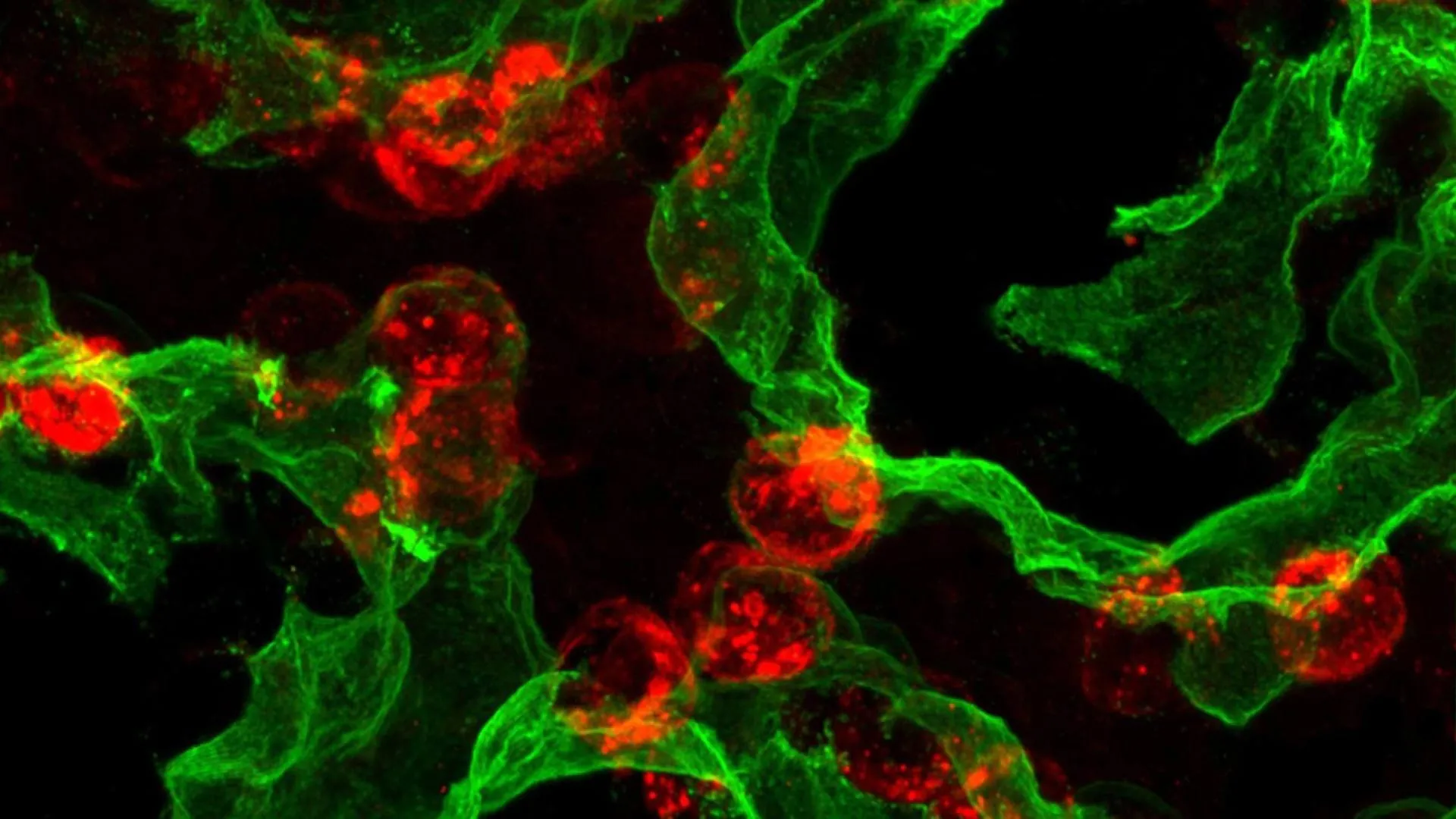
Our lungs are constantly battling a dual challenge: maintaining structural integrity and defending against a relentless barrage of pathogens. This duty largely falls to a specialized cell type called alveolar type 2 (AT2) cells. These remarkable cells perform a dual role: they produce surfactant proteins crucial for keeping the tiny air sacs (alveoli) open for efficient breathing, and they act as a reserve pool of stem cells, capable of regenerating the alveolar type 1 (AT1) cells - the cells directly responsible for oxygen exchange.
though,this dual functionality comes with a trade-off. As Dr. Douglas Brownfield,Ph.D., senior author of the study published in Nature Communications, explains, “We were surprised to find that these specialized cells cannot do both jobs at once. Some commit to rebuilding, while others focus on defense. that division of labor is essential.”
For years,scientists have observed that AT2 cells often falter in their regenerative capacity during diseases like pulmonary fibrosis (scarring of the lungs),COPD,and following severe viral infections like COVID-19. The critical question remained: why? What mechanism prevents these cells from effectively switching gears and prioritizing repair?
Unlocking the Cellular Timeline: From Adaptability to Specialization
The Mayo Clinic team employed cutting-edge single-cell sequencing, advanced imaging techniques, and preclinical models of lung injury to meticulously map the “life history” of AT2 cells. Their research revealed a crucial window of possibility: newly formed AT2 cells remain remarkably flexible for approximately one to two weeks after their birth. During this period, they can readily respond to signals directing them towards either repair or defense.
Though, after this brief window, AT2 cells undergo a permanent specialization, committing to one role or the other. This transition isn’t random; it’s governed by a sophisticated molecular circuit involving three key regulators:
* PRC2: Plays a role in gene silencing, contributing to the overall regulation of cell identity.
* C/EBPα: This protein acts as a critical “clamp,” actively suppressing the stem cell-like properties of AT2 cells. Essentially, it prevents them from reverting to a more primitive state capable of robust regeneration.
* DLK1: A signaling molecule involved in cell differentiation and growth.
The breakthrough lies in understanding that to initiate repair after injury, adult AT2 cells must release the C/EBPα clamp. This allows them to access their latent regenerative potential.
The Infection Connection: Why Illness Hinders Healing
This discovery isn’t just about repair; it also explains why infections can dramatically impede lung recovery. The same molecular switch that dictates repair versus defense is activated during an immune response. When the body is focused on fighting off a pathogen, resources are diverted away from tissue repair, and the C/EBPα clamp remains firmly in place.
“When we think about lung repair,it’s not just about turning things on – it’s about removing the clamps that normally keep these cells from acting like stem cells,” Dr. Brownfield emphasizes. “We discovered one of those clamps and how it times the ability of these cells to repair.” This explains why lingering inflammation post-infection can contribute to long-term lung damage.
A New Era of Regenerative Therapies: targeting C/EBPα for Lung Restoration
The implications of this research are far-reaching,opening up exciting new avenues for regenerative medicine. The ability to precisely modulate C/EBPα activity could unlock the lung’s inherent healing capabilities.
Potential therapeutic strategies include:
* Pharmacological Interventions: Developing drugs that selectively fine-tune C/EBPα activity, promoting tissue regeneration and reducing
Keep reading