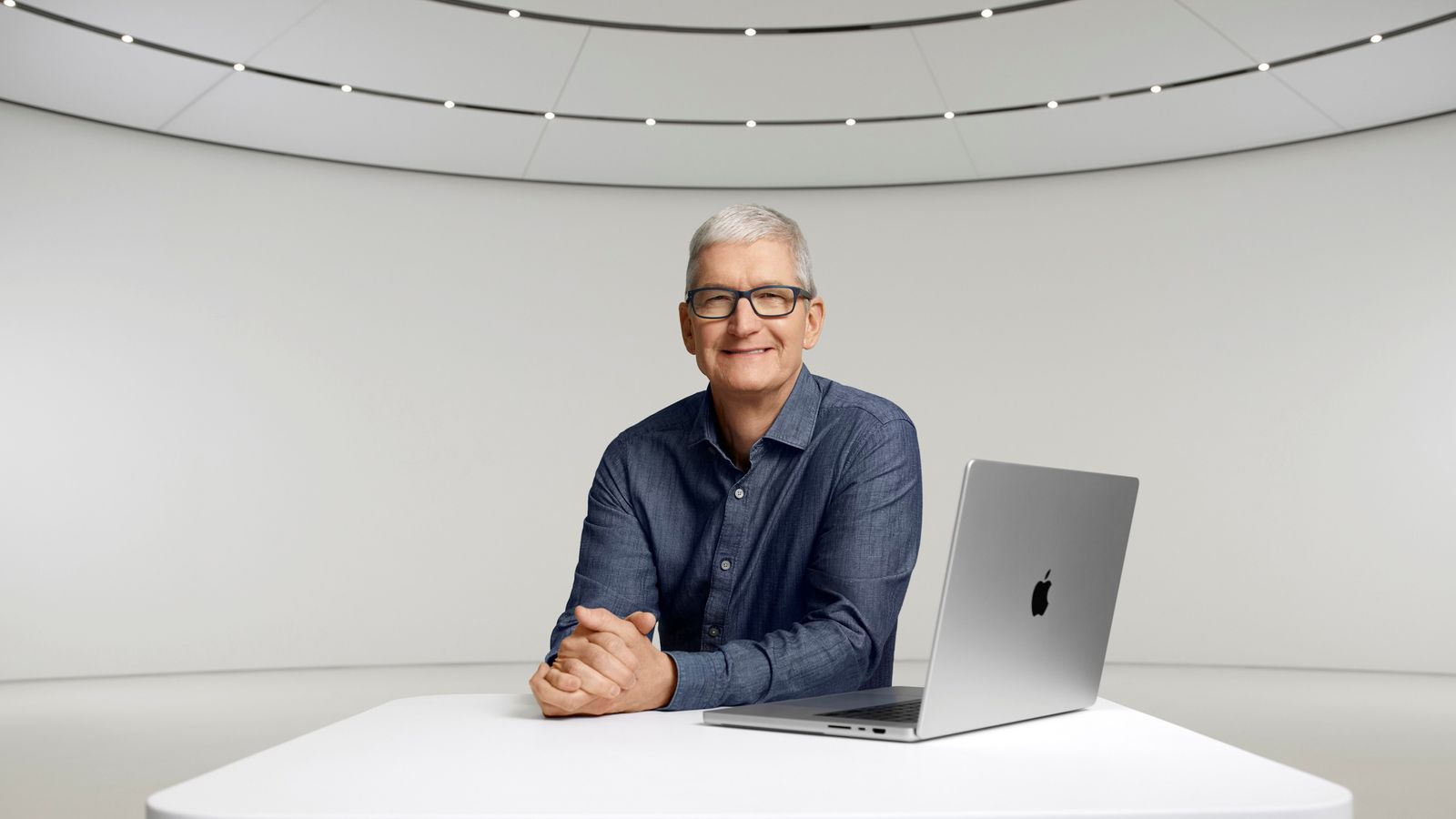
The global technology landscape is increasingly intertwined with geopolitical risk, a reality underscored by recent reports detailing a classified CIA briefing given to leading tech executives. According to the New York Times, Apple CEO Tim Cook was among those present at the briefing, which centered on the potential for military action by China against Taiwan as early as 2027. This revelation sheds light on the escalating concerns within the tech industry regarding supply chain vulnerabilities and the urgent need for diversification, particularly in the critical semiconductor sector. The situation highlights the complex interplay between technological innovation, economic dependence, and international security.
The briefing, held in July 2023 at a secure facility in Silicon Valley, was initiated by then-Secretary of Commerce Gina Raimondo. Participants included CEOs from major players in the semiconductor industry – Jensen Huang of Nvidia, Lisa Su of AMD, and Cristiano Amon of Qualcomm – alongside CIA Director William Burns and Director of National Intelligence Avril Haines. The discussion focused on the growing tensions between China and Taiwan, and the potential disruption to the global supply of semiconductors should China move to exert control over the island. The semiconductor industry is vital to the global economy, powering everything from smartphones and computers to automobiles and defense systems.
The Stakes for Apple and the Semiconductor Industry
The reported reaction of Tim Cook following the briefing – a statement that he would “sleep with one eye open” – vividly illustrates the level of anxiety within the industry. This isn’t merely a geopolitical concern; it’s a fundamental industrial challenge for companies like Apple, which rely heavily on the Asian semiconductor supply chain. Taiwan, and specifically Taiwan Semiconductor Manufacturing Company (TSMC), is at the heart of advanced chip production. TSMC currently controls over 90% of global advanced chip manufacturing, according to industry estimates. The New York Times reports that this dominance makes Taiwan a critical, and potentially vulnerable, link in the global technology supply chain.
Apple’s dependence on TSMC is particularly acute. The company relies on TSMC for the production of chips used in its iPhones, iPads, and Macs. This reliance has prompted Apple to accelerate efforts to diversify its supply chain and increase domestic chip production in the United States. In recent months, significant developments have unfolded, with TSMC receiving substantial federal support for expansion in Arizona. This support includes a package of $6.6 billion in subsidies and up to $5 billion in loans, aimed at increasing local production capacity and bringing more advanced technologies to the U.S. The U.S. Government views bolstering domestic semiconductor manufacturing as crucial for national security and economic competitiveness.
U.S. Investment and the Challenges of Reshoring
Apple has further demonstrated its commitment to U.S. Manufacturing through a broader strategy, initially pledging over $500 billion in U.S. Investments over four years, later increased to $600 billion with a dedicated program for American manufacturing. This investment aims to create jobs, stimulate economic growth, and reduce reliance on foreign supply chains. Whereas, the New York Times report emphasizes that producing chips in the United States is currently more expensive than in Taiwan, and closing the technological gap will take time. The cost difference is attributed to factors such as labor costs, infrastructure, and the maturity of the semiconductor ecosystem in each region.
Taiwan continues to defend its position as a global technology hub, resisting efforts to relocate its most advanced manufacturing capabilities. This underscores the delicate balance between expanding U.S. Production and maintaining Taiwan’s central role in the semiconductor industry. The transition is already underway, but it’s not a simple relocation of production; it’s a complex reorganization that is both costly and politically sensitive. The CIA briefing to Tim Cook, and other tech leaders, is therefore significant – it’s not merely a behind-the-scenes story, but rather the strategic context within which Apple and its peers are making critical supply chain decisions for the years to arrive.
Geopolitical Tensions and the Future of Taiwan
The potential for conflict over Taiwan remains a significant concern for global policymakers and businesses. China views Taiwan as a renegade province and has not ruled out the use of force to achieve reunification. The United States maintains a policy of “strategic ambiguity” regarding its response to a potential Chinese attack on Taiwan, meaning it has not explicitly stated whether it would intervene militarily. This ambiguity is intended to deter China while also avoiding a commitment that could escalate tensions. The U.S. Department of Defense has consistently emphasized the importance of maintaining a credible deterrent in the region.
The situation is further complicated by the increasing military capabilities of China and its growing assertiveness in the South China Sea. In recent years, China has significantly increased its defense spending and has conducted numerous military exercises near Taiwan. These actions have raised concerns among U.S. Allies in the region, including Japan and Australia, who have also expressed support for maintaining peace and stability in the Taiwan Strait. The possibility of a conflict in the Taiwan Strait would have far-reaching consequences for the global economy, disrupting trade, investment, and supply chains.
The Broader Implications for Global Supply Chains
The concerns highlighted by the CIA briefing extend beyond the semiconductor industry. Many other sectors rely on Taiwan for critical components and materials, including electronics, automotive, and aerospace. A disruption to the supply of these goods could have a cascading effect on the global economy. Companies are increasingly recognizing the need to diversify their supply chains and reduce their dependence on single sources of supply. This trend is driving investment in new manufacturing capacity in other regions, including the United States, Europe, and Southeast Asia.
The push for supply chain resilience is also leading to greater emphasis on nearshoring and friend-shoring – relocating production closer to home or to countries with strong political and economic ties. These strategies aim to reduce transportation costs, improve responsiveness to market changes, and mitigate geopolitical risks. However, these efforts also face challenges, including higher labor costs, regulatory hurdles, and the need to develop new infrastructure. The long-term success of these strategies will depend on the ability of governments and businesses to overcome these challenges and create a more diversified and resilient global supply chain.
The situation underscores the need for continued dialogue and cooperation between the United States and China to manage tensions and prevent a conflict over Taiwan. Maintaining peace and stability in the region is essential for the global economy and for the security of all nations. The tech industry, as a key stakeholder in this issue, has a responsibility to advocate for policies that promote peace, stability, and a level playing field for competition.
The next significant development to watch will be the progress of TSMC’s expansion in Arizona, with the first phase of production slated to start in 2025. Reuters reported in February 2024 that production has been delayed until 2025. Continued monitoring of geopolitical developments in the Taiwan Strait and the implementation of U.S. Industrial policy will be crucial in assessing the long-term impact on the global technology landscape. Readers are encouraged to share their thoughts and perspectives on this critical issue in the comments below.
Keep reading