The Vagus Nerve: Your Heart’s Anti-Aging Secret Weapon
Could the key to a healthier, more youthful heart lie not in complex medications or strenuous exercise, but in a single nerve? Groundbreaking research suggests the vagus nerve – often called the “wandering nerve” – plays a pivotal role in protecting heart health and slowing the aging process. This isn’t just about treating heart disease; it’s about preventing premature cardiac aging.
A recent study, coordinated by the Sant’Anna School of Advanced Studies in Pisa and published in Science Translational Medicine, reveals that maintaining strong vagal nerve connections to the heart, especially on the right side, is crucial for long-term cardiovascular wellbeing – and surprisingly, this benefit exists regardless of your heart rate. Let’s delve into what this means for you, and the exciting future of heart health.
Understanding the Vagus Nerve and your Heart
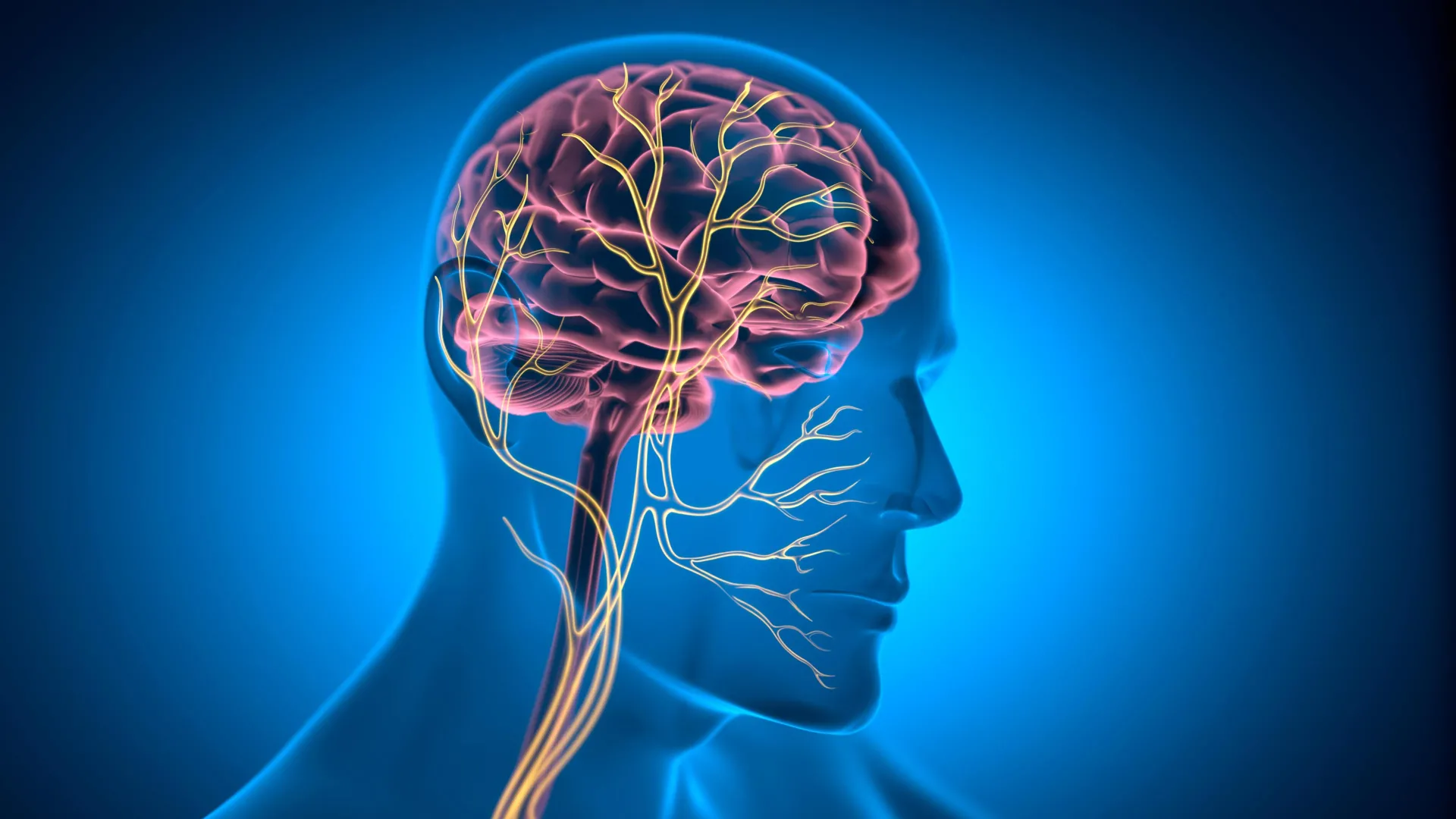
The vagus nerve is the longest cranial nerve in the body, extending from the brainstem down to the abdomen. It’s a vital component of the parasympathetic nervous system, often referred to as the “rest and digest” system. It influences everything from digestion and mood to immune response and, crucially, heart function.
For decades, scientists have understood the vagus nerve’s role in regulating heart rate.but this new research demonstrates a far more profound impact: the vagus nerve actively protects heart muscle cells and combats the natural aging process within the heart itself.
“When the integrity of the connection to the vagus nerve is lost, the heart ages more rapidly,” explains Professor Vincenzo Lionetti, lead researcher of the study from the translational Critical Care Unit (TrancriLab) at the Interdisciplinary Research Center Health Science in Pisa. This loss of connection leads to cardiac remodeling – changes in the heart’s size, shape, and function – which ultimately diminishes its effectiveness.
The Power of Partial Restoration: Hope for Heart Health
The good news doesn’t stop there. The research team discovered that complete nerve regeneration isn’t necessary to reap the benefits. “Even partial restoration of the connection between the right vagus nerve and the heart is sufficient to counteract the mechanisms of remodelling and preserve effective cardiac contractility,” notes Anar Dushpanova, a cardiologist at TrancriLab. This finding opens up exciting possibilities for therapeutic interventions.
Bioengineering a Solution: The NeuHeart Project
This breakthrough wouldn’t have been possible without a collaborative, multidisciplinary approach. The study, funded by the European FET (Future and Emerging Technologies) program through the NeuHeart project and supported by PNRR funds from the Tuscany Health Ecosystem, brought together leading institutions from Italy, Kazakhstan, Germany, and Switzerland – including the Scuola Normale Superiore, the University of Pisa, the Leibniz Institute on Ageing, and the École Polytechnique Fédérale de Lausanne.
A key innovation was the growth of a bioabsorbable nerve conduit by the Biorobotics Institute,led by Professor Silvestro Micera. This implantable conduit acts as a scaffold, guiding and promoting the spontaneous regeneration of the thoracic vagus nerve at the cardiac level. “We have developed an implantable bioabsorbable nerve conduit designed to promote and guide the spontaneous regeneration of the thoracic vagus nerve at the cardiac level,” explains Eugenio Redolfi Riva,co-author of the neuroprosthesis patent.
What Does This Mean for the Future of Heart Care?
The implications of this research are far-reaching, potentially revolutionizing cardiothoracic and transplant surgery. Professor Lionetti concludes, “These results open new perspectives… suggesting that restoring cardiac vagal innervation at the time of surgery may represent an innovative strategy for long-term heart protection, shifting the clinical paradigm from managing late complications associated wiht premature cardiac aging to their prevention.”
Imagine a future where surgeons proactively restore vagal nerve connections during heart procedures, safeguarding patients against long-term cardiac decline. This isn’t science fiction; it’s a rapidly approaching reality.
Evergreen Insights: Boosting Vagal Tone for Heart Health
While bioengineering solutions are on the horizon, you can take steps today to improve your vagal tone – the activity of your vagus nerve - and support your heart health. Here are a few evidence-based strategies:
* Deep breathing: Slow, diaphragmatic breathing stimulates the vagus nerve.
* Cold Exposure: Brief exposure to cold temperatures (like a cold shower) can increase vagal tone.
* Meditation & Mindfulness: Regular meditation practice has been shown to enhance vagal nerve activity.
* Singing, Humming, and Chanting: These activities physically stimulate the vagus nerve.
* Probiotics & Gut health: The gut-
Related reading