
In the rapidly evolving landscape of generative artificial intelligence, the barrier to entry for developers and power users is no longer just technical complexity—it is financial fatigue. As major AI providers pivot toward subscription-based models, enthusiasts and professionals alike find themselves juggling a growing stack of monthly fees. From ChatGPT Plus to Claude Pro and Gemini Advanced, the cost of keeping pace with the latest large language models (LLMs) is beginning to resemble the fragmented world of streaming services, where content is locked behind proprietary silos.
For those of us working in software development and tech journalism, the need to test and integrate various models is a standard requirement. However, the current “all-or-nothing” subscription model creates a significant friction point. Users are often forced to commit to a monthly recurring payment just to determine if a specific model’s reasoning capabilities, context window, or coding proficiency actually fits their unique workflow. This is where the rise of model aggregation platforms, most notably OpenRouter, is shifting the paradigm toward a more practical, utility-based approach to AI access.
The Subscription Fatigue Problem
The current market trend is defined by ecosystem lock-in. Companies like OpenAI, Anthropic, and Google have developed sophisticated walled gardens. While these platforms offer high-quality user interfaces, the underlying technology—the LLMs themselves—are increasingly being made available via application programming interfaces (APIs). When a user subscribes to a premium tier, they are often paying for a bundled experience: the chat interface, additional features like image generation, and the model access itself.
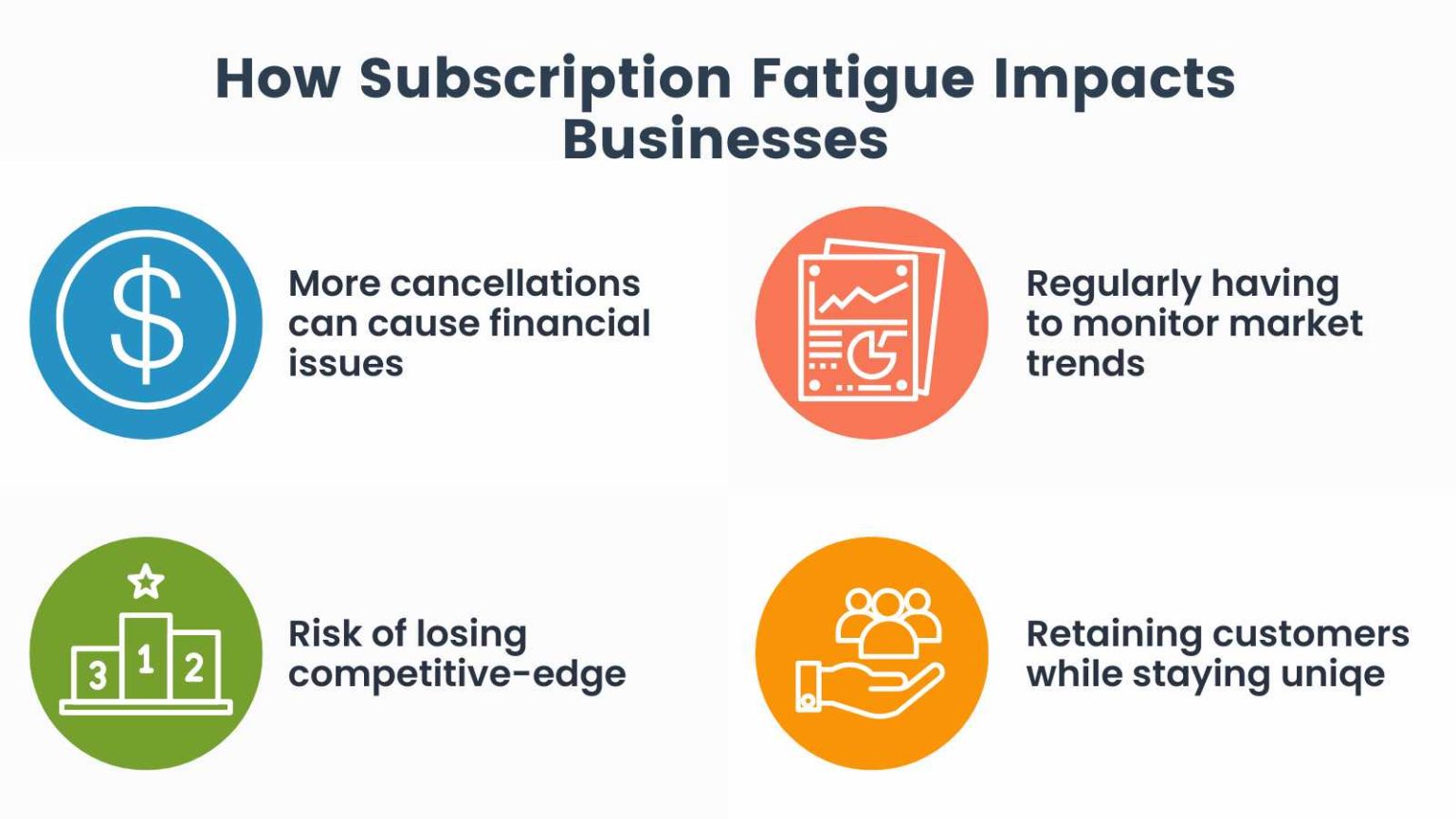
However, for the developer or the power user who prefers their own local client or a specific IDE integration, paying $20 per month per service is inefficient. If you only need to run a few hundred prompts through a new model to test its viability, a flat subscription fee is disproportionately expensive. This creates a “subscription bloat” that forces users to choose between limited access or excessive monthly overhead. The financial impact of maintaining multiple active subscriptions can quickly reach hundreds of dollars annually, a cost that is often hard to justify for experimental or intermittent use cases.
OpenRouter and the Utility Model
OpenRouter presents a distinct alternative by treating AI models as a utility rather than a subscription service. By aggregating various models—including open-weights models like Meta’s Llama 3 or Mistral, and proprietary models from providers like Anthropic and Google—onto a single platform, it allows users to pay strictly for what they consume. This is typically handled through a credit-based system, where users purchase credits that are deducted based on the number of tokens processed.

This approach addresses the core issue of discovery. Instead of needing a subscription to every service to test their respective strengths, a user can deposit a modest amount into a single account and experiment with a wide array of models. If one model fails to meet a specific coding or writing requirement, the user can switch to another instantly without managing multiple account cancellations or recurring billing cycles. It effectively democratizes access to state-of-the-art AI, ensuring that the model—not the subscription—is the focus of the interaction.
Why Flexibility Matters for Developers
For those of us with a background in software engineering, the ability to swap models seamlessly is not just a preference; it is a necessity for performance optimization. Different models excel at different tasks. One might be superior for Python refactoring, while another might be better suited for nuanced creative writing or summarization. By using an aggregator, developers can route tasks to the most efficient model for the specific job, often reducing latency and costs simultaneously.
this model-agnostic approach protects the user from the volatility of single-provider service outages. If one provider’s API experiences downtime, an aggregator often allows for a quick pivot to an alternative, provided the integration is configured correctly. This level of architectural flexibility is exactly what the industry needs to move beyond the early “hype” phase and into a period of sustainable, productive AI integration.
Looking Ahead: A More Open Ecosystem
As the AI industry matures, we are likely to see a clearer distinction between consumer-facing chat interfaces and developer-facing infrastructure. While the former will continue to rely on subscriptions to simplify the experience for the average user, the latter is rapidly moving toward pay-as-you-go models. This shift is vital for the long-term health of the AI ecosystem, as it encourages competition among model providers based on performance and price, rather than just the strength of their marketing and subscription bundles.
For readers who are tired of managing their own “streaming bundles for robots,” exploring platforms that offer unified API access is a logical next step. It provides the freedom to experiment without the commitment, ensuring that your tools serve your workflow, rather than your wallet serving the tech giants. As we continue to monitor the development of these platforms, we expect to see more tools emerge that prioritize user autonomy and cost-transparency.
What has been your experience managing AI subscriptions? Have you found a balance that works for your workflow, or are you also feeling the pressure of the “subscription creep”? Let us know your thoughts and join the conversation in the comments below.
Related reading