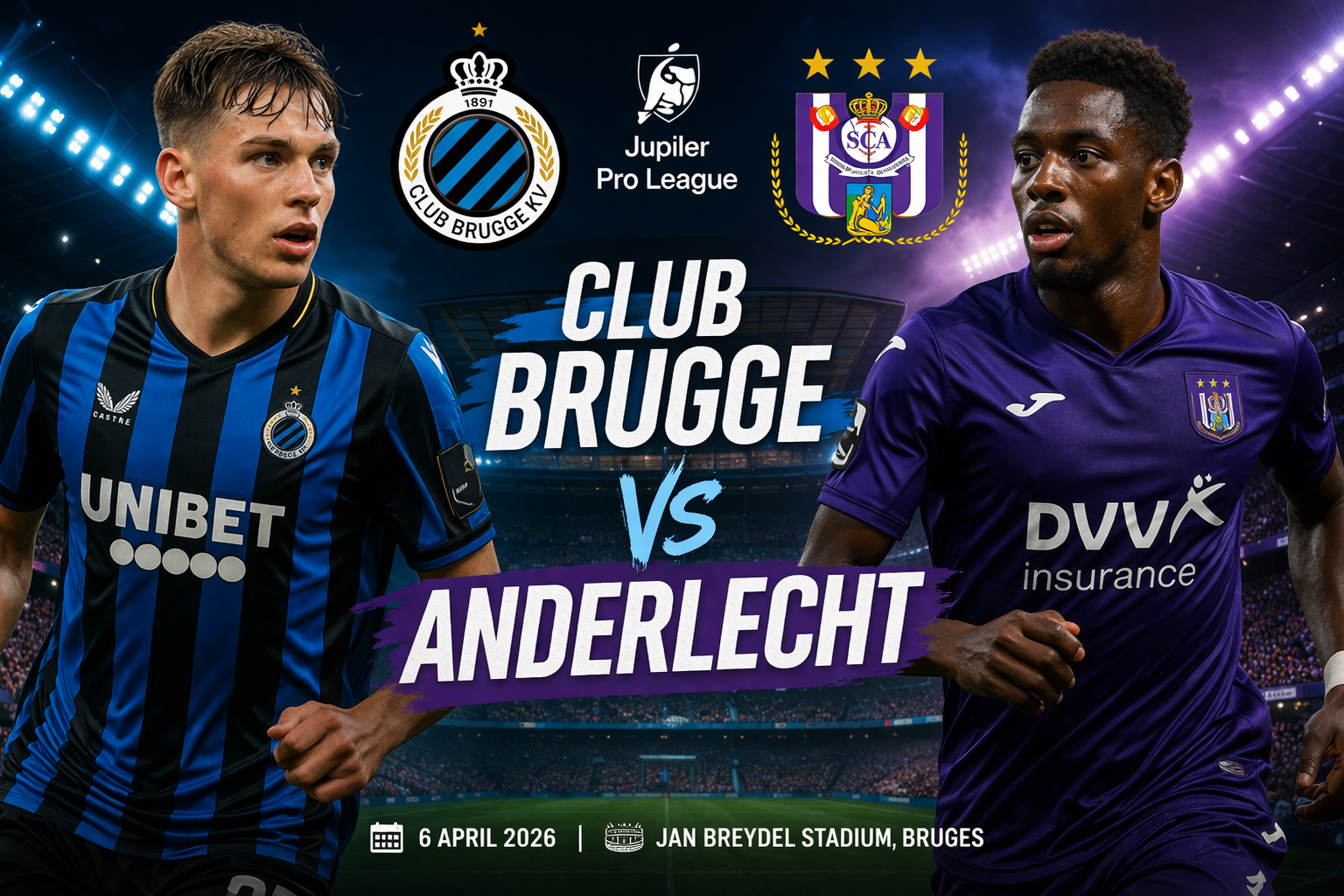
In the landscape of Belgian football, the rivalry between Club Brugge and RSC Anderlecht remains one of the most storied and fiercely contested fixtures in the country’s sporting calendar. As the Belgian Pro League continues to evolve, the ability of these two giants to maintain their dominance is constantly under the microscope. Recent competitive outcomes have once again placed Club Brugge at the forefront of the conversation, as the club continues to solidify its status as a primary force within the league, often leaving its historic rivals from Brussels struggling to close the gap.
For fans and analysts alike, the question of who holds the mantle of “the best” is rarely settled by a single match, but rather by the consistency shown across a grueling season. Club Brugge’s recent performances have been characterized by a tactical discipline and a depth of squad that has proven challenging for Anderlecht to match. This recurring theme of Brugge asserting its authority in head-to-head encounters and league standings has fueled widespread discussion regarding the current hierarchy of Belgian football.
The Evolution of the Belgian Football Hierarchy
The historical context of this rivalry is rooted in decades of success for both institutions. However, the modern era has seen a shift in momentum. According to the official records of the Belgian Pro League, Club Brugge successfully secured the league title for the 2023-2024 season, a testament to their ability to peak at the right moments during the championship playoffs. This consistency is the hallmark of a club that has effectively integrated youth development with experienced international talent.
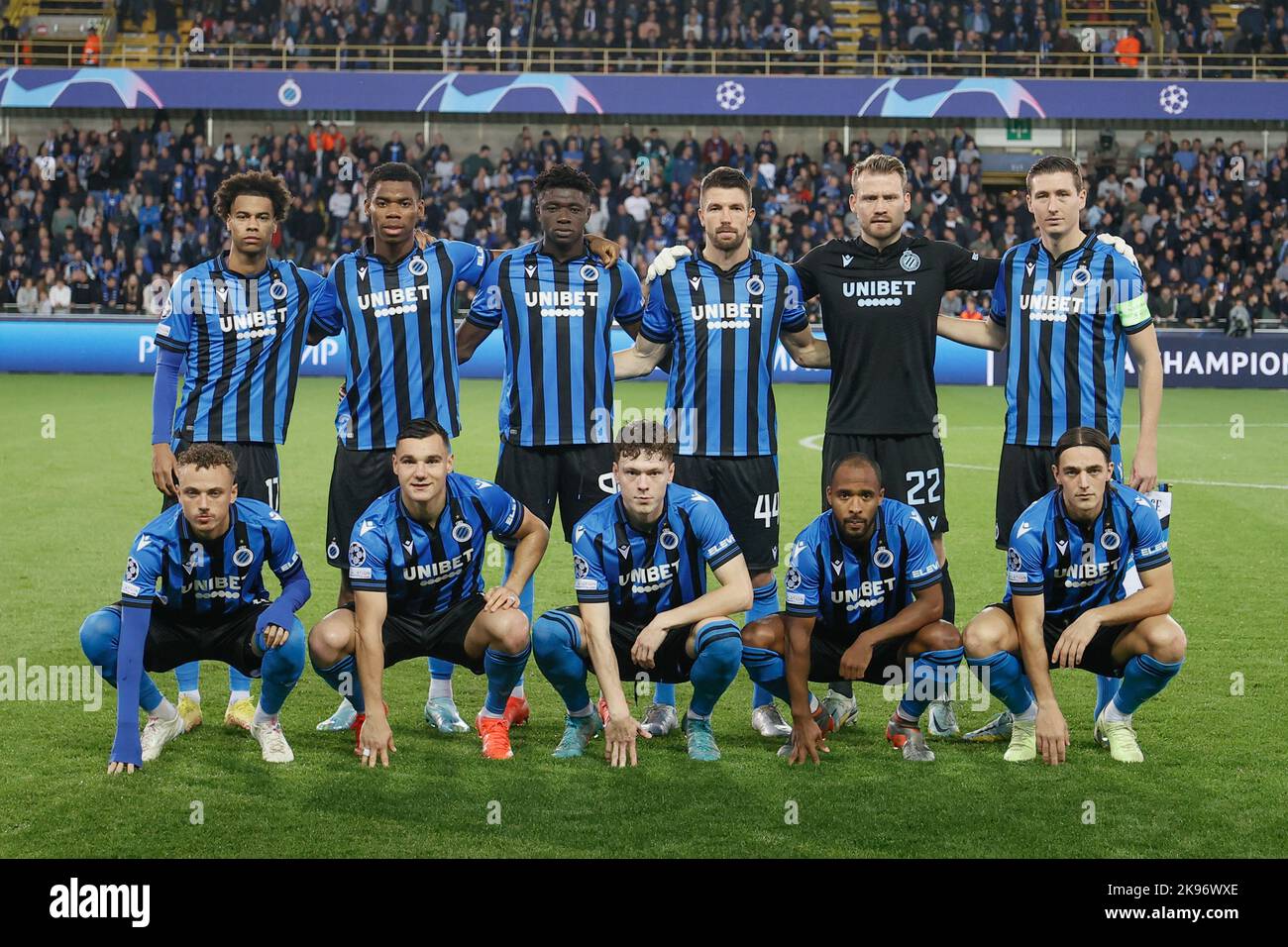
Anderlecht, conversely, has been in a period of transition, attempting to reclaim the glory of their past dominance. While the club remains one of the most decorated in Belgium, the recent head-to-head results have highlighted a clear disparity in current form. When Club Brugge manages to consistently secure positive results against their Brussels-based counterparts, it serves as a psychological blow to Anderlecht’s ambitions of regaining the top spot in the league table.
Tactical Superiority and Consistency
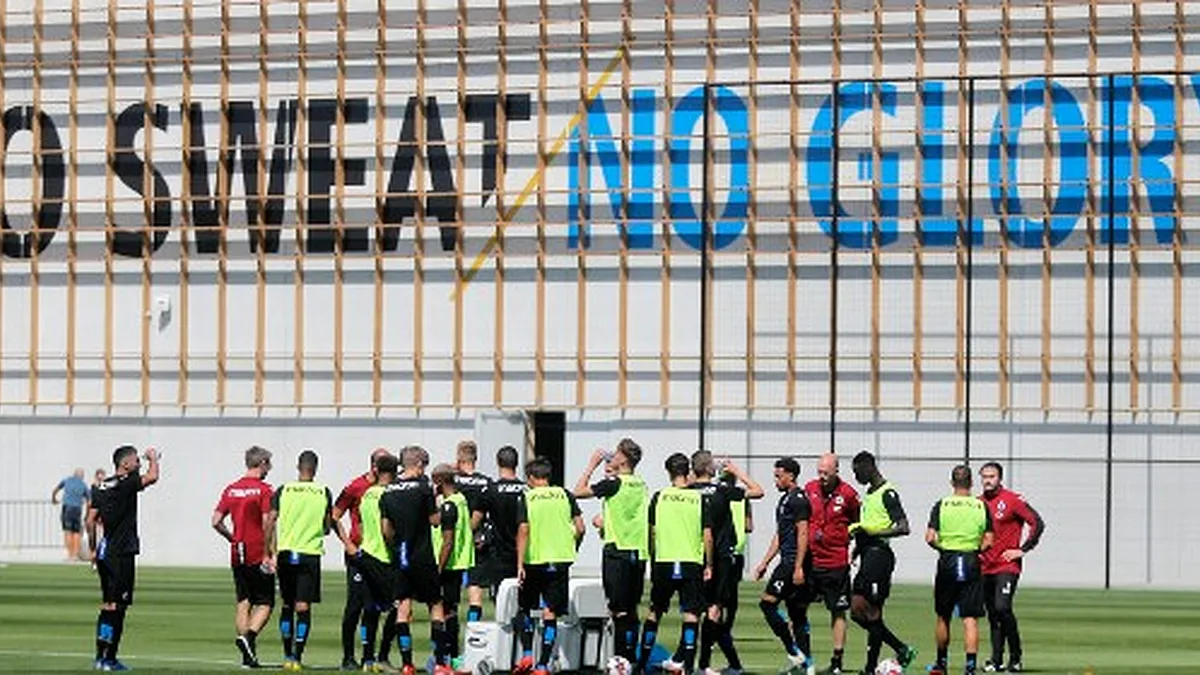
What makes Club Brugge’s recent run particularly noteworthy is the tactical flexibility displayed by their coaching staff. Modern football analytics, as discussed by the Union of European Football Associations (UEFA), emphasize the importance of squad rotation and high-intensity pressing, two areas where Club Brugge has excelled. By maintaining a high tempo, they often force their opponents into unforced errors, a strategy that has proven highly effective against an Anderlecht side that has struggled to maintain defensive stability under pressure.
The impact of these results extends beyond the league table. For the supporters, these matches are about pride and the validation of their club’s long-term project. When analysts and pundits suggest that Brugge is “rightly the best,” they are often referring to the structural stability of the organization—from the boardroom down to the academy—which allows the first team to function at a high level regardless of individual departures or injuries.
What It Means for the Future
Looking ahead, the pressure remains on RSC Anderlecht to modernize their approach to match the standard set by their rivals. The Royal Belgian Football Association (RBFA) continues to oversee a highly competitive league structure, which ensures that even the most dominant teams must remain vigilant. For Club Brugge, the challenge will be to maintain this hunger for success while managing the expectations that come with being the team to beat.
The upcoming fixtures in the Belgian Pro League will be critical in determining whether this trend of Brugge’s dominance continues or if Anderlecht can find the necessary adjustments to turn the tide. As we monitor the league’s progress, the competition for the title remains the heartbeat of the sport in Belgium, with every point earned in these high-stakes matches carrying significant weight toward the final classification.
Key Takeaways
- Club Brugge has maintained a high level of consistency, culminating in their recent championship success in the 2023-2024 season.
- The rivalry continues to be defined by tactical battles where Brugge has frequently shown an edge in intensity and defensive organization.
- Anderlecht remains a historic powerhouse but is currently navigating a period where they are tasked with closing the performance gap against the league’s top-performing clubs.
- The Belgian Pro League structure ensures that dominance is never guaranteed, requiring constant evolution from all top-tier teams.
As we look toward the next round of league fixtures, stay tuned to the official Pro League website for the latest standings, match schedules, and disciplinary updates. We invite our readers to share their thoughts on the current state of Belgian football in the comments section below. Do you believe Anderlecht has the personnel to bridge the gap, or is Club Brugge’s current structure simply too robust to overcome this season? Join the conversation and let us know your perspective.