
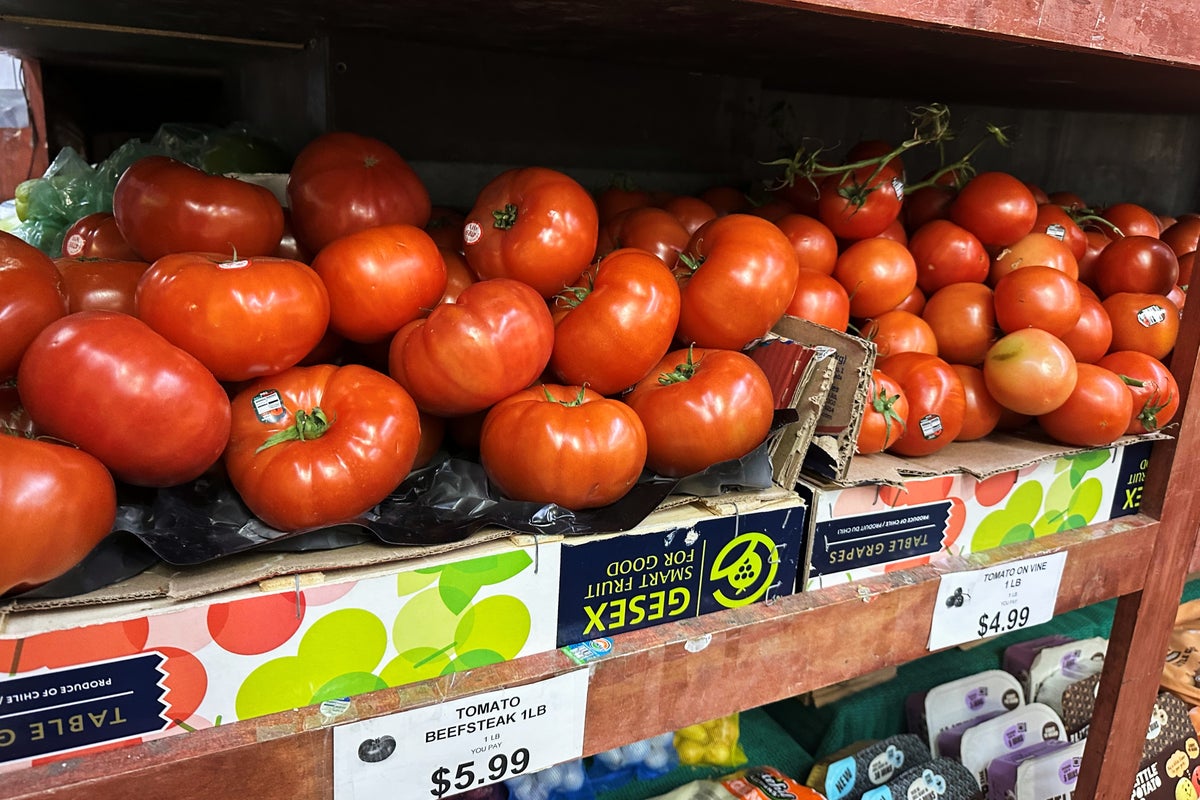
As households across the United States navigate a shifting economic landscape, the cost of everyday staples has moved to the forefront of the national conversation. Among the most visible indicators of this trend is the rising price of fresh produce, with tomatoes emerging as a focal point for consumers and agricultural economists alike. Recent data highlights that the cost of this kitchen staple has reached an eight-year high, reflecting a complex interplay of international trade policy, energy market volatility, and environmental factors.
According to data tracked by the U.S. Bureau of Labor Statistics, the average retail price for field-grown tomatoes climbed to approximately $2.26 per pound in March 2026. This increase represents a significant shift for shoppers, with fresh tomato prices rising 15% in March alone, following a 6% increase in February. These fluctuations are not occurring in a vacuum; they are part of a broader inflationary environment where agricultural goods are being pressured by global supply chain disruptions and policy-driven trade adjustments.
Drivers of the Market Surge
The current price escalation is attributed to a combination of three primary factors: international trade policies, the cost of energy, and weather-related supply chain shocks. As agricultural economists have noted, the implementation of tariffs on fresh tomatoes imported from Mexico has created a notable bottleneck in the supply chain. These trade measures, intended to protect domestic markets, often have the secondary effect of raising costs for the end consumer as importers navigate the new tariff structures.
Compounding these trade-related pressures are broader energy costs. The ongoing conflict in the Middle East—specifically the war involving Iran—has disrupted oil supply chains, leading to higher fuel prices. Because the transportation and storage of perishables like tomatoes are highly energy-intensive, these costs are rapidly passed down the supply chain to grocery retailers. In March, the inflation rate for tomatoes stood out as the largest increase for any consumer good or service, excluding energy commodities such as gasoline and fuel oil, as reported by the Bureau of Labor Statistics.
adverse weather conditions have exacerbated existing supply constraints. Agricultural output is inherently sensitive to climate variability, and recent weather-related events have hindered consistent production cycles, leading to a tightening of available inventory. When supply is restricted while demand remains steady, price volatility is a natural, albeit difficult, outcome for the average household budget.
Expert Outlook on Food Inflation
The impact of these combined forces is significant, with fresh tomato prices rising 23% over the past year. For experts in the field of supply chain management, the current trajectory suggests that relief may not be immediate. Ricky Volpe, a professor of agribusiness at California Polytechnic State University, has indicated that there is likely more pressure on the horizon for tomato prices given the current structural challenges within the food retail sector.
Understanding these price shifts is essential for consumers managing their personal finances. While the Consumer Price Index (CPI) serves as the standard barometer for measuring inflation, the “real-world” experience at the checkout counter often feels more acute when specific, frequently purchased items see double-digit price spikes. The current situation serves as a stark reminder of how interconnected the global economy is, where a policy decision or a geopolitical event thousands of miles away can directly influence the price of a salad ingredient in a local supermarket.
Key Takeaways
- Fresh tomato prices reached their highest level in eight years as of March 2026.
- Trade tariffs on Mexican imports, coupled with rising energy costs linked to Middle Eastern conflicts, are primary drivers of inflation.
- Weather-related supply shocks have further limited the availability of fresh produce, pushing retail prices higher.
- Agricultural experts warn that the current inflationary pressure on food prices may persist in the near term.
As we monitor these trends, the focus remains on how long these supply chain constraints will last and whether alternative sourcing or policy adjustments might provide some degree of stabilization for the market. Keeping an eye on official reports from the Bureau of Labor Statistics will remain the most reliable way to track how these costs evolve in the coming months.

We invite our readers to share their experiences with grocery pricing in their local communities. How have you adjusted your shopping habits in response to these rising costs? Please join the conversation in the comments section below.