
As a physician, I have long observed that the most profound advancements in medicine often emerge from the persistent, quiet work of understanding rare, complex conditions. Recently, the landscape for patients living with Gaucher disease has shifted with a significant regulatory development concerning a new therapeutic candidate. On March 18, 2026, the U.S. Food and Drug Administration (FDA) granted breakthrough therapy designation to venglustat, an oral experimental glucosylceramide synthase inhibitor (GCSi), for the treatment of neurological manifestations associated with Gaucher disease type 3 (MG3), according to an official statement from Sanofi.
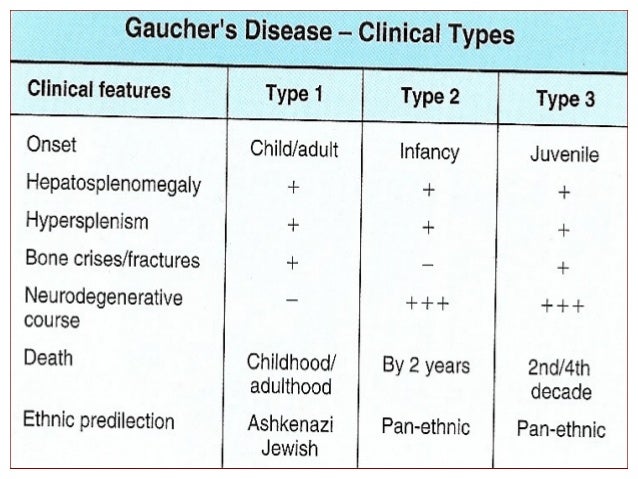
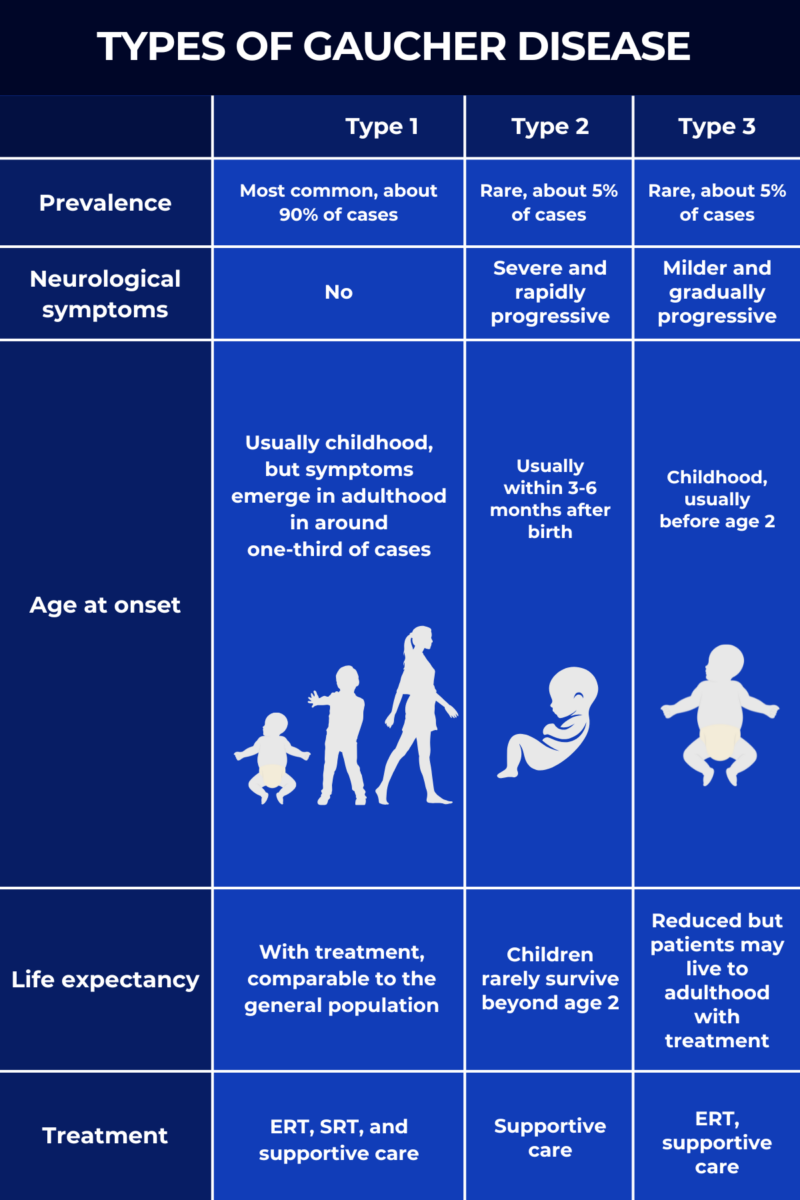
For those unfamiliar with this rare lysosomal storage disorder, Gaucher disease occurs due to a deficiency in the enzyme glucocerebrosidase. This deficiency leads to the accumulation of lipid molecules known as glycosphingolipids (GSL) in vital organs, including the spleen, liver, lungs, and bone marrow. The type 3 variant is particularly challenging because it presents with neurological symptoms, making the development of targeted therapies a critical area of focus for the medical community.
Understanding the Clinical Significance of Venglustat
The FDA’s decision to grant breakthrough therapy status is rooted in the data derived from the Phase 3 LEAP2MONO clinical study (NCT05222906). In this trial, researchers evaluated the efficacy of venglustat compared to the current standard of care, enzyme replacement therapy (ERT) in the form of imiglucerase. The results demonstrated that patients treated with venglustat experienced statistically significant improvements in neurological symptoms, specifically regarding ataxia and cognition, as measured by a global test score incorporating the modified Scale for the Assessment and Rating of Ataxia (mSARA) and the Repeatable Battery for the Assessment of Neuropsychological Status (RBANS). The study reported a p-value of 0.007, indicating a statistically significant benefit over the comparator group, as noted in the company’s regulatory disclosure.
From a clinical perspective, safety and tolerability are paramount in the development of new treatments for chronic, rare diseases. In the LEAP2MONO study, venglustat was reported to be generally well-tolerated. The most frequently observed adverse events included headaches (14.3% in the venglustat group versus 18.2% in the ERT group), nausea (14.3% versus 4.5%), splenomegaly (14.3% versus 0%), and diarrhea (14.3% versus 0%). These findings provide a preliminary look at the safety profile as the therapeutic candidate moves through the regulatory pathway.
The Evolution of Rare Disease Research
The pursuit of treatments for conditions like Gaucher disease type 3 is part of a broader shift in biopharmaceutical research. By applying a deeper understanding of the immune system and leveraging advanced technologies, researchers are attempting to move beyond traditional management strategies. According to corporate reporting, Sanofi currently maintains 77 compounds in clinical development, with 21 clinical trials in Phase 3, reflecting a significant investment in the pipeline of potential medical innovations, as detailed on their official corporate portal.
This development is particularly relevant to the global health community, as it underscores the importance of clinical trial design in rare disease settings. The integration of community partnerships and inclusive trial designs has become a focus for many organizations, aiming to ensure that research accurately reflects the diverse patient populations it intends to serve. This “patient-centric” approach is not merely a trend; it is a necessity for gathering robust, actionable data in conditions where patient numbers are slight and the clinical burden is high.
What This Means for Patients and Families
For patients and their families, the “breakthrough therapy” designation serves as an important signal of progress. While it does not constitute final approval for commercial use, it indicates that the FDA has recognized the potential for this drug to offer substantial improvement over existing therapies for a serious condition. It also facilitates more intensive guidance from the FDA during the drug development process, which can help accelerate the availability of life-altering treatments.
As we look toward the future, the medical community will be monitoring further regulatory filings and subsequent clinical data releases. The path from breakthrough designation to broad clinical availability involves rigorous review processes designed to ensure both efficacy and safety. For those living with Gaucher disease type 3, these updates represent a vital step forward in the ongoing effort to manage a complex and often debilitating diagnosis.
As an editor and physician, I believe it is essential for patients to stay informed through official medical channels and to consult with their primary specialists regarding the status of emerging therapies. Medical science is an iterative process, and every study—whether it confirms a hypothesis or presents new challenges—brings us closer to better outcomes for patients worldwide.
We will continue to track updates regarding the clinical development of venglustat as they become available through official regulatory and corporate channels. If you have questions about current clinical trials or the management of Gaucher disease, I encourage you to discuss these with your healthcare provider or reach out to established patient advocacy organizations that specialize in rare lysosomal storage disorders.
What are your thoughts on the role of breakthrough designations in accelerating access to care for rare diseases? We invite you to share your perspectives or questions in the comments section below.