
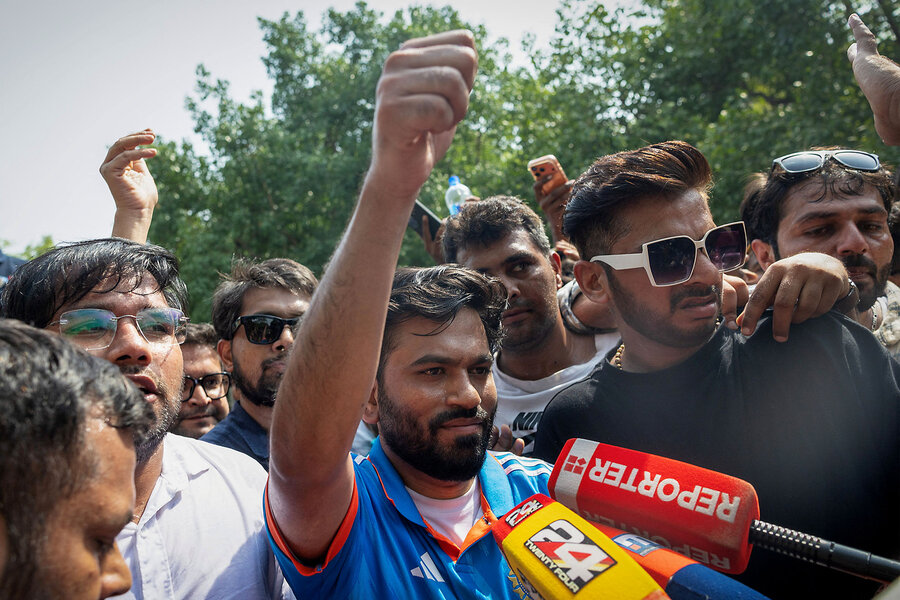
Young activists in India are increasingly leveraging digital platforms to mobilize real-world protests, echoing a global trend of Gen Z-led movements seeking to translate online discourse into tangible political and social change. While the term “Cockroach” movement has appeared in recent social media discourse, observers note that India’s youth are navigating a complex environment characterized by high unemployment, educational concerns, and an intensifying digital landscape where social media pages are evolving into decentralized political hubs.
According to data from the International Labour Organization (ILO), India faces a significant challenge in youth employment, with young people accounting for nearly 83% of the country’s unemployed population as of 2024. This demographic pressure serves as a primary driver for the current wave of youth-led organizing. Unlike traditional political structures, these movements often utilize encrypted messaging apps and viral social media campaigns to bypass mainstream media, creating a distinct, rapid-response model of civic engagement.
The Evolution of Digital Activism in India
The transition from online outrage to physical presence has become a hallmark of Gen Z activism worldwide. In India, this shift is facilitated by the country’s massive smartphone penetration, which allows localized grievances to gain national visibility within hours. Dr. Olivia Bennett, Chief Editor of the Business section at World Today Journal, notes that the current trend reflects a broader global pattern where digital-native generations view social media not merely as a tool for communication, but as a primary infrastructure for political mobilization.

Unlike the organized protests of the past, these movements often lack a single, centralized leadership structure. This decentralization—often referred to as a “leaderless” model—makes these groups difficult for authorities to manage through traditional negotiation. Experts from the World Economic Forum have highlighted that such movements are frequently fueled by “misinformation and social polarization,” though they also serve as vital outlets for youth who feel excluded from established political discourse.
Economic Drivers and Youth Sentiment
The rise of these groups is inextricably linked to the economic realities facing Indian youth. The World Bank reports that India requires the creation of 90 million new jobs by 2030 to sustain its demographic dividend. When expectations for employment and social mobility are not met, the resulting frustration often finds an outlet in street-level protests.
The “Cockroach” terminology, occasionally spotted in fringe social media discourse, appears to symbolize resilience and the ability of marginalized groups to persist despite systemic efforts to suppress them. However, analysts warn against viewing these movements as monolithic. They are often fragmented, with specific groups mobilizing around localized issues such as entrance exam integrity, regional language rights, or specific local governance failures rather than a singular national platform.
Comparison with Global Gen Z Movements
India’s current youth activism shares striking similarities with movements seen in other parts of the world, such as the climate strikes in Europe or labor protests in parts of Latin America. A key differentiator in the Indian context is the role of regional identity and the influence of local language social media ecosystems. While global movements often use English as a lingua franca, the most effective mobilizations in India frequently occur in regional languages, allowing for deeper penetration into Tier-2 and Tier-3 cities.

The following table outlines the commonalities observed in recent youth-led movements globally:
| Feature | Global Gen Z Trend | Indian Context |
|---|---|---|
| Primary Tool | Instagram/TikTok/X | WhatsApp/Telegram/Instagram |
| Leadership | Decentralized/Flat | Localized/Fragmented |
| Core Grievance | Climate/Economic Inequity | Employment/Education/Governance |
What Happens Next?
As these movements continue to test the boundaries of digital and physical protest, the central question for policymakers remains how to integrate these voices into the formal democratic process. According to reports from the Reuters news agency, the Indian government has frequently responded to widespread digital-driven unrest by implementing internet shutdowns, citing the need to maintain public order. These measures often act as a temporary deterrent but may also accelerate the development of more sophisticated, offline-reliant communication strategies among activists.

The next major checkpoint for these movements will likely coincide with upcoming state-level election cycles and the release of new national labor statistics, which typically trigger renewed waves of online debate. Whether these movements can transition from protest to policy influence remains an open question. Readers interested in following these developments are encouraged to monitor official government labor reports and public records from the Press Information Bureau of India for the most accurate updates on legislative responses to youth concerns.
Have you observed shifts in youth activism in your region? Share your insights and join the conversation in the comments section below.