
Fans Build Their Own Morrowind-Inspired Game Amid Long Wait for New Elder Scrolls Title
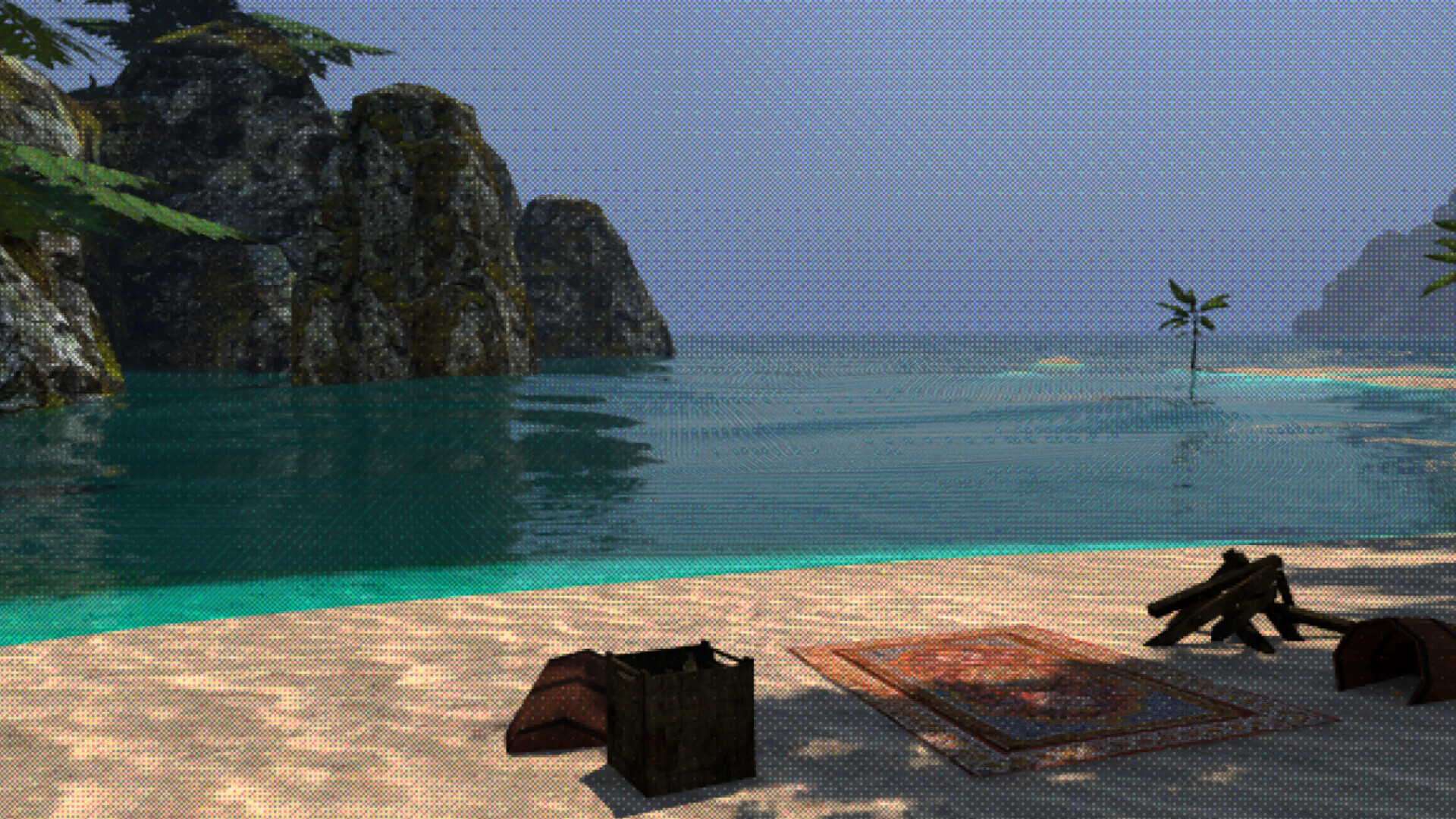
After more than a decade since the last mainline Elder Scrolls game, Skyrim, was released in 2011, fans of the series have grown increasingly restless waiting for Bethesda’s next major entry. The prolonged silence from the developer, coupled with the mixed reception to recent spin-offs like Elder Scrolls Online and the 2023 space RPG Starfield, has driven a dedicated segment of the community to take matters into their own hands. Drawing inspiration from the beloved and often surreal 2002 title Morrowind, a group of independent developers has begun crafting a fan-made project that seeks to capture the unique atmosphere and experimental design of Vvardenfell.
This initiative is not an official Bethesda project but rather a grassroots effort fueled by nostalgia and a desire to explore the strange, alien landscapes and deep lore that made Morrowind a cult classic. Unlike the more conventional fantasy settings of later Elder Scrolls games, Morrowind featured bizarre flora, fauna, and architecture inspired by volcanic deserts and alien ecosystems, creating a world that felt truly otherworldly. The fan project aims to revive that spirit, incorporating elements such as the game’s distinctive silt striders, towering mushroom towers, and the enigmatic presence of the Dagoth Ur cult.
Whereas details about the project remain limited, early concept art and development logs shared on community forums suggest a focus on environmental storytelling and player-driven discovery—hallmarks of the original Morrowind experience. The developers emphasize that their goal is not to remake Morrowind directly but to create a new game that evokes its sense of wonder and unpredictability, appealing to both longtime fans and newcomers curious about the series’ more experimental roots.
The Legacy of Morrowind and Why It Resonates Today
Morrowind, officially titled The Elder Scrolls III: Morrowind, was released in 2002 by Bethesda Softworks and quickly distinguished itself from its predecessors and successors through its commitment to world-building and player freedom. Set on the island of Vvardenfell in the province of Morrowind, the game rejected the generic high-fantasy tropes of elves and dragons in favor of a setting deeply influenced by Dunmer (Dark Elf) culture, Ashlander nomads, and the lingering effects of a volcanic catastrophe. Its art direction, led by lead artist Matt Firor, leaned into surrealism, featuring giant fungal growths, silt-strider transportation, and architecture that blended organic and alien forms.
Critically acclaimed at launch, Morrowind won multiple awards, including RPG of the Year from GameSpot and IGN, and is frequently cited in retrospectives as one of the most influential role-playing games of the early 2000s. Its emphasis on exploration over hand-holding, complex faction systems, and a main quest that could be ignored in favor of side adventures resonated with players seeking agency in their gaming experiences. Even today, the game maintains a strong modding community, with projects like Morrowind Overhaul and Skywind (a Skyrim-based remake of Morrowind) demonstrating enduring interest in its world.
The game’s legacy extends beyond nostalgia; it represents a period when Bethesda was willing to take creative risks with the Elder Scrolls IP. Subsequent entries, while technically impressive, have often been criticized for streamlining mechanics and homogenizing the game world to appeal to broader audiences. For many fans, Morrowind symbolizes a lost era of experimental AAA game design, where narrative depth and environmental uniqueness were prioritized over accessibility and mass-market appeal.
Community-Driven Development and the Rise of Fan-Led Preservation
The fan-led Morrowind-inspired project exemplifies a growing trend in gaming where passionate communities step in to preserve, reinterpret, or expand upon beloved titles when official development stalls or diverges from fan expectations. Similar efforts have emerged around other dormant franchises, such as the fan remake of Silent Hill 2 (which later influenced the official 2024 remake) and ongoing projects to revive classic real-time strategy games through open-source engines. These initiatives often operate in legal gray areas, relying on the tolerance of IP holders and the non-commercial nature of the work to avoid copyright issues.
In this case, the developers have stressed that their project is non-commercial and created purely for love of the original game, distributing development updates through forums and social media rather than seeking funding or public distribution. They emphasize that all assets are original or heavily transformed to avoid direct infringement, focusing instead on capturing the “perceive” of Morrowind rather than copying its specific designs. This approach aligns with fair use principles in creative works, particularly when the project serves as a tribute or commentary rather than a substitute for the original.
Experts in digital preservation note that such fan projects can play a vital role in keeping gaming history alive, especially when official remasters or re-releases are unlikely. The Video Game History Foundation has highlighted community-driven efforts as essential to documenting and maintaining access to culturally significant games, particularly those from the early 2000s that may not run well on modern hardware without community patches and mods.
What This Means for the Future of the Elder Scrolls Franchise
While Bethesda has not officially announced a new mainline Elder Scrolls game, the studio has confirmed that development is underway on The Elder Scrolls VI, though no release date has been set. In interviews, Bethesda executives have described the project as being in early production, with a focus on leveraging the studio’s new Creation Engine 2, which was first showcased with the 2023 release of Starfield. The game is expected to be a significant technical leap forward, though details about its setting, story, or gameplay remain scarce.
The existence of fan-driven projects like this Morrowind-inspired game underscores the enduring passion for the series’ more experimental roots and may serve as informal feedback for Bethesda as it shapes the direction of Elder Scrolls VI. Whether the studio chooses to embrace the weirdness and depth of Morrowind or continue toward more accessible, mainstream fantasy remains to be seen. For now, fans continue to celebrate and reinterpret the series’ legacy through mods, fan art, and independent projects, keeping the spirit of Vvardenfell alive in anticipation of what comes next.
As the gaming community waits for official news on The Elder Scrolls VI, projects like this fan-made Morrowind-inspired title remind us that passion and creativity can thrive even in the absence of official updates. For those interested in following the project’s progress, updates are shared periodically on dedicated gaming forums and social media channels, though no public demo or release timeline has been announced.