The German Bundestag has moved to simplify family welfare by approving a transition to automatic child benefit payments, while the federal government continues to bolster its defense capabilities with a new procurement deal for U.S.-made Tomahawk cruise missiles. Simultaneously, the German economy shows signs of sustained momentum, as national exports recorded a fourth consecutive month of growth, according to recent government data.
Bundestag Approves Automatic Child Benefits
In a significant shift for social policy, the German parliament has passed legislation aimed at streamlining the delivery of financial support to families. The “Kindergrundsicherung” (basic child security) framework seeks to replace the current application-heavy system with an automated process. According to the German Bundestag, the initiative is designed to ensure that eligible families receive benefits without the administrative burden of filing individual claims, which officials hope will reduce poverty rates among minors.
The policy change addresses long-standing criticism regarding the complexity of the German welfare state, where many families reportedly failed to access entitled support due to bureaucratic hurdles. By centralizing data and automating disbursements, the government intends to reach households that were previously underserved. The legislative package is expected to take effect in phases, with full implementation contingent on the integration of digital infrastructure across various state-level social agencies.
Strategic Defense: Germany Secures Tomahawk Missile Agreement
Germany has finalized an agreement to acquire Tomahawk cruise missiles from the United States, a move that enhances the strike capabilities of the German Armed Forces (Bundeswehr). This procurement is part of a broader effort to modernize military equipment in response to the changing security environment in Europe. The German Federal Ministry of Defence confirmed that the acquisition is intended to align with NATO interoperability requirements, ensuring the Bundeswehr possesses long-range precision strike assets.

The Tomahawk system, renowned for its long-range capabilities and ability to navigate complex terrains, represents a significant upgrade for German naval and land-based defense strategies. While specific delivery timelines remain subject to U.S. export licensing and production schedules, the deal underscores Berlin’s commitment to increasing defense spending to reach the NATO target of 2% of GDP. This development follows a series of defense-related investments initiated under the “Zeitenwende” policy shift announced in 2022.
German Exports Sustain Four-Month Growth Streak
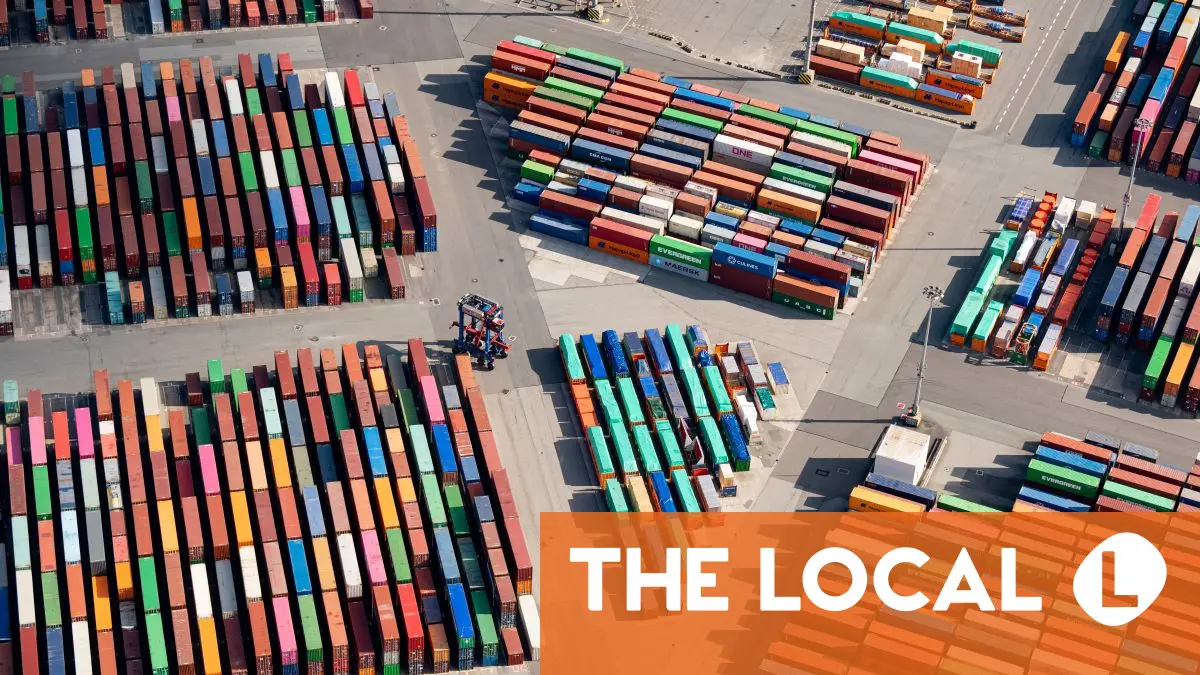
Germany’s industrial sector continues to demonstrate resilience despite broader European economic headwinds. Official figures from the Federal Statistical Office (Destatis) indicate that German exports have risen for the fourth consecutive month. This trend suggests that despite high energy costs and a cooling global demand, German manufacturers remain competitive in key international markets, including the United States, China, and the European Union.
The growth is largely attributed to strong demand for specialized machinery, automotive components, and chemical products. Economists note that while the export sector is a critical pillar of the German economy, the sustainability of this growth remains tied to global supply chain stability and trade policy developments. The next major report on industrial production and trade balances is scheduled for release by Destatis in early August, providing further insight into whether this upward trajectory will persist through the third quarter.
Looking Ahead
As the legislative session concludes for the summer recess, focus will shift toward the implementation of the new child benefit infrastructure. Meanwhile, the Ministry of Defence is expected to release further details regarding the integration of the Tomahawk missile systems into the existing naval fleet during the next parliamentary defense committee hearing in September. Readers are encouraged to monitor the official portals of the Federal Government of Germany for ongoing updates on these and other policy developments.

What are your thoughts on the digitization of German social benefits? Share your perspective in the comments below.