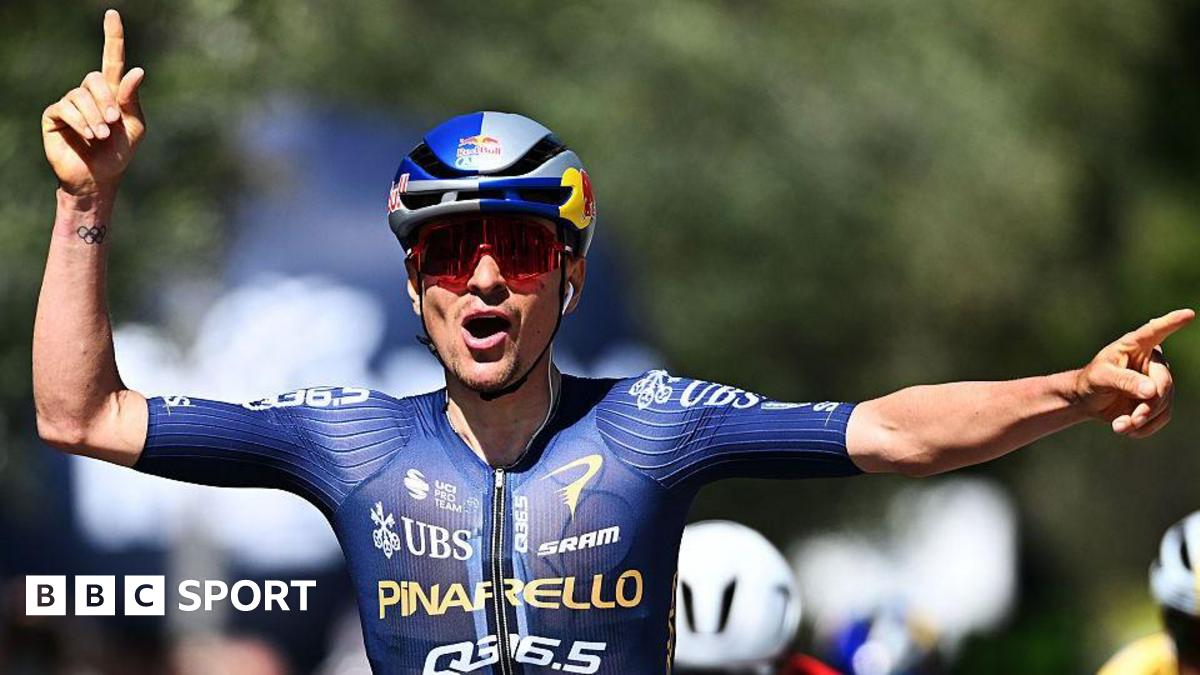
British cyclist Tom Pidcock has claimed victory in stage three of the Tour of the Alps, marking a remarkable return to competitive racing less than a month after a serious crash during a training ride in Spain. The stage win underscores his rapid recovery and determination to compete at the highest level despite the setback.
Pidcock, who rides for Ineos Grenadiers, crossed the finish line ahead of a strong field in the mountainous stage, demonstrating both physical resilience and tactical awareness. His performance comes just weeks after he was involved in a significant accident while descending a mountain pass near Girona, where he reportedly lost control and fell into a ravine.
The incident left Pidcock with multiple injuries, including a fractured scapula and bruising, requiring immediate medical attention and a period of rest. Despite the severity of the crash, he has followed a structured rehabilitation programme under the supervision of his team’s medical staff, allowing him to resume training earlier than initially expected.
His return to racing began with light indoor sessions, gradually progressing to outdoor rides as pain and mobility improved. By mid-April, Pidcock was participating in low-intensity training camps, building back his endurance and bike handling skills ahead of the Tour of the Alps.
The Tour of the Alps, which serves as a key preparatory race for the Giro d’Italia, features challenging ascents and variable weather conditions, making it a stern test of form and resilience. Pidcock’s ability to compete effectively in such an environment so soon after injury has drawn attention from fans and analysts alike.
Speaking after his stage win, Pidcock acknowledged the physical and mental challenges of his comeback, emphasizing the importance of patience and trust in the recovery process. He credited his team, family, and medical professionals for supporting him through a difficult period.
His performance has reignited discussions about his ambitions for the upcoming spring classics, particularly Liège–Bastogne–Liège, which he has previously identified as a major goal for the season. While his immediate focus remains on regaining full race fitness, the stage win suggests he is on track to contend for honours in the coming weeks.
Medical experts note that recovery from a scapular fracture typically requires several weeks of restricted activity followed by gradual reintroduction of strength and mobility exercises. Pidcock’s adherence to this protocol, combined with his natural athleticism, has likely contributed to his swift return.
The Ineos Grenadiers team has monitored his progress closely, adjusting his training load based on daily feedback to avoid setbacks. His participation in the Tour of the Alps was approved only after meeting specific benchmarks related to pain levels, range of motion, and power output.
As the cycling season progresses, Pidcock’s trajectory will be watched closely, especially as he aims to balance recovery with preparation for Grand Tour ambitions. His ability to rebound quickly from adversity adds to his reputation as one of the sport’s most resilient and versatile riders.
For updates on Tom Pidcock’s recovery and upcoming race schedule, fans can follow official announcements from the Ineos Grenadiers team and his verified social media channels.
We welcome your thoughts on Pidcock’s inspiring return to racing. Share your comments below and support spread the story by sharing this article with fellow cycling enthusiasts.