Navigating division: A Bishop’s Approach to Bridging Ideological Gaps
the rise of divisive rhetoric surrounding immigration has presented a unique challenge to faith leaders across the United Kingdom. How do you reconcile offering sanctuary and support to newcomers wiht addressing the legitimate concerns – and sometimes, outright hostility – of established communities? One bishop is attempting a nuanced approach, sparking both praise and debate.
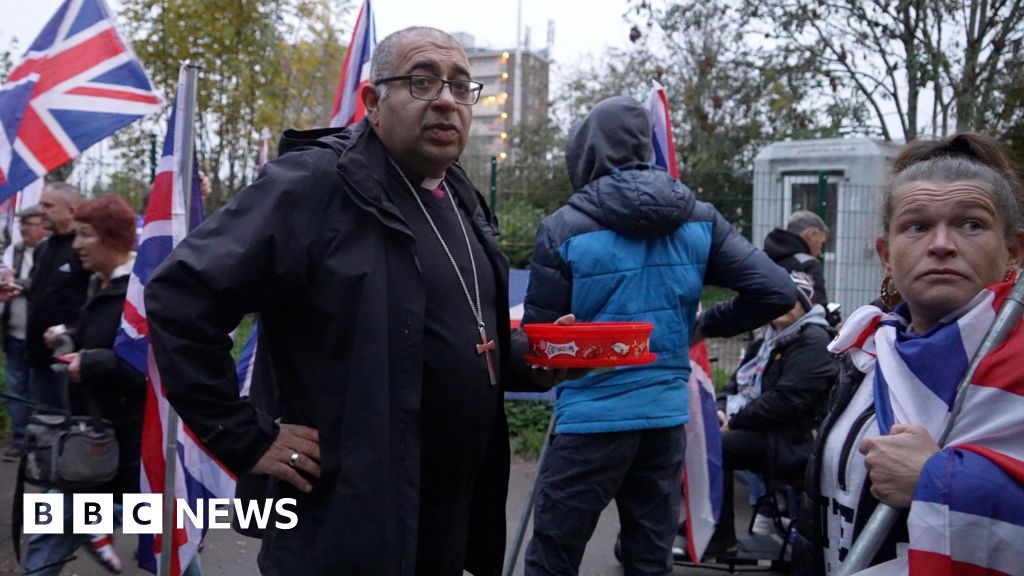
Bishop Arora is actively engaging with individuals on opposing sides of the immigration debate, even those associated with protest movements. He recently offered a gesture of connection - a box of chocolates - to a demonstrator during a protest outside a hotel housing asylum seekers. This act, captured in a widely circulated image, exemplifies his belief in fostering dialog amidst deep disagreement.
A Call for Neutral Ground & Challenging Extremism
The bishop explains his role extends beyond customary pastoral care. He believes it’s crucial to demonstrate that faith shouldn’t be defined by favoritism. Rather, he aims to create a neutral space where diverse perspectives can be voiced and, crucially, heard.
He proactively reached out to the organizer of the anti-immigration protest, initiating a conversation centered on respectful disagreement. “How can we disagree well?” and “How can we share this city knowing we hold radically different views?” were central questions in their exchange.
However,Bishop Arora doesn’t shy away from confronting what he perceives as harmful ideologies. He’s vocal in his criticism of what he terms a “narrow Christian nationalist ideology,” which he believes has gained prominence recently. This stance is complex, as some within the protest movements openly embrace the “Christian nationalist” label, viewing it as a defense of traditional values.
Walking a Tightrope: Neutrality and Advocacy
This approach isn’t without its critics. Some may question the optics of embracing the organizer of protests that have caused distress to those seeking refuge. Conversely, others might find his condemnation of “hatred” and use of terms like “Christian nationalist” to be inherently biased.
Ultimately, Bishop Arora’s strategy represents an attempt to find common ground, even when it’s uncomfortable. It’s a delicate balancing act between offering compassion and challenging possibly harmful beliefs.
A Wider Church Conversation
This individual effort reflects a growing conversation within the Church of England. In January, bishops from across the country will convene to discuss “national unity and diversity” – a topic recognized as one of the most pressing issues facing the institution. Experts in political theology and related fields have been invited to contribute to the discussion.
The incoming Archbishop of Canterbury, Sarah Mullally, has already acknowledged the deep divisions within society. She warned of widespread fear and the potential for that fear to manifest in threatening ways. This acknowledgement underscores the urgency of finding constructive responses to the challenges posed by increasing polarization.
Supporting Clergy on the Front Lines
Currently, clergy like those working directly with communities are largely navigating these complex situations independently. They are tasked with both welcoming newcomers and supporting those who feel threatened by the changes occurring around them.
The Church of England is grappling with how best to equip its leaders to address these challenges effectively. Finding a path forward that balances compassion, justice, and respectful dialogue will be critical in the months and years to come.
Key Takeaways for You:
* Dialogue is essential: Even with those holding opposing views, creating space for conversation is vital.
* Nuance is crucial: Avoid simplistic labels and acknowledge the complexities of the issues.
* Leadership matters: Faith leaders have a unique chance to model respectful disagreement and promote understanding.
* Addressing fear is paramount: Recognizing and responding to the anxieties driving division is key to building bridges.
This situation highlights the evolving role of faith communities in a rapidly changing world. It’s a reminder that navigating division requires courage, empathy, and a willingness to engage in arduous conversations.
Related reading