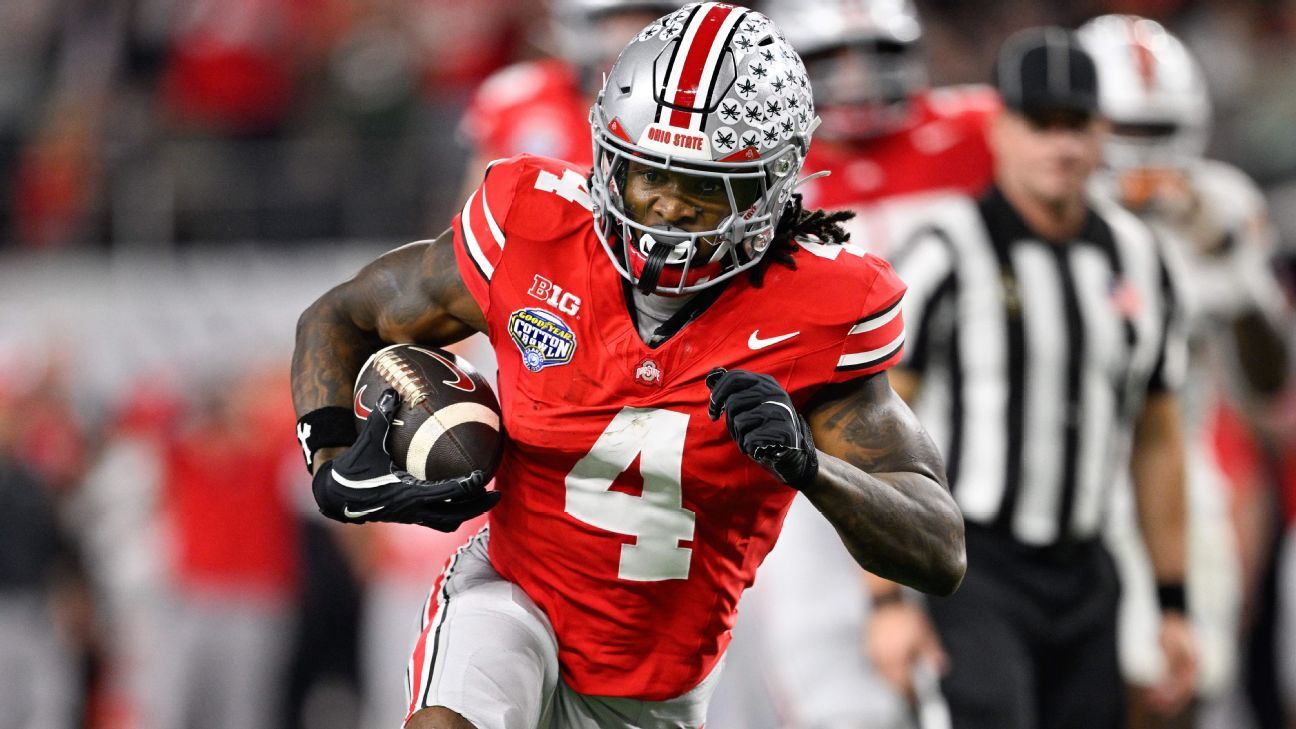
With spring practices underway and rosters taking shape across the Football Bowl Subdivision, college football programs are beginning to assess their standing for the upcoming 2026 season. Even as it remains early in the cycle, returning starters, recruiting classes, and coaching stability are already shaping early projections for which teams might contend for conference titles and a spot in the expanded 12-team College Football Playoff.
The 2026 NCAA Division I FBS football season is set to begin on August 29, 2026, with the regular season concluding on December 12, followed by the postseason running through January 25, 2027, when the College Football Playoff National Championship will be held at Allegiant Stadium in Paradise, Nevada. This marks the third year of the 12-team playoff format, which continues to reshape how teams approach the regular season and bowl eligibility.
Conference realignment continues to influence the competitive landscape, particularly in the Pac-12, which announced in September 2024 that it would add Boise State, Colorado State, Fresno State, San Diego State, and Utah State from the Mountain West Conference effective in 2026. These additions aim to stabilize the Pac-12’s football presence following prior departures, though the conference still faces challenges in maintaining its FBS status due to Gonzaga’s non-football membership.
Early indicators suggest that traditional powerhouses in the Southeast Conference, Big Ten, and Big 12 are likely to remain among the top contenders, bolstered by strong returning talent and deep recruiting pipelines. Programs such as Georgia, Ohio State, Texas, and Alabama have consistently ranked in the preseason top 10 in recent years and are expected to be focal points in early 2026 projections, though official preseason polls have not yet been released.
Meanwhile, Group of Five programs that have shown recent momentum — including those joining the Pac-12 in 2026 — could see increased visibility and opportunity under the expanded playoff format, which guarantees at least one spot for the highest-ranked champion from a non-Power Five conference. However, no automatic bids are guaranteed, and selection remains based on the final College Football Playoff committee rankings.
As spring drills continue and fall camp approaches, coaches across the FBS are evaluating quarterback depth, defensive schemes, and special teams consistency — all critical factors that will influence early season performance. Injuries, transfers via the NCAA portal, and academic eligibility will also play a role in shaping final rosters before the season opener.
While no official Way-Too-Early Top 25 has been published by major sports outlets as of April 2026, historical trends suggest that programs with high returning production, strong coaching continuity, and favorable strength of schedule projections tend to appear in early rankings. These assessments are typically refined through summer workouts, fall camp performances, and preseason media days.
For fans and analysts tracking the 2026 season, official updates will come from NCAA announcements, conference media days in July, and the release of preseason polls by outlets such as the Associated Press and Coaches Poll in August. The first full slate of FBS games is scheduled for Saturday, August 29, 2026, featuring international matchups in Dublin and Rio de Janeiro as part of the season-opening showcases.
As the landscape evolves, continued monitoring of recruiting classes, spring game results, and coaching staff changes will provide clearer insight into which programs are positioned to create a run at the College Football Playoff in January 2027.
Stay tuned to World Today Journal for ongoing coverage of the 2026 college football season as developments unfold. Share your thoughts on early contenders in the comments below, and follow us for real-time updates throughout the spring and summer.
Related reading