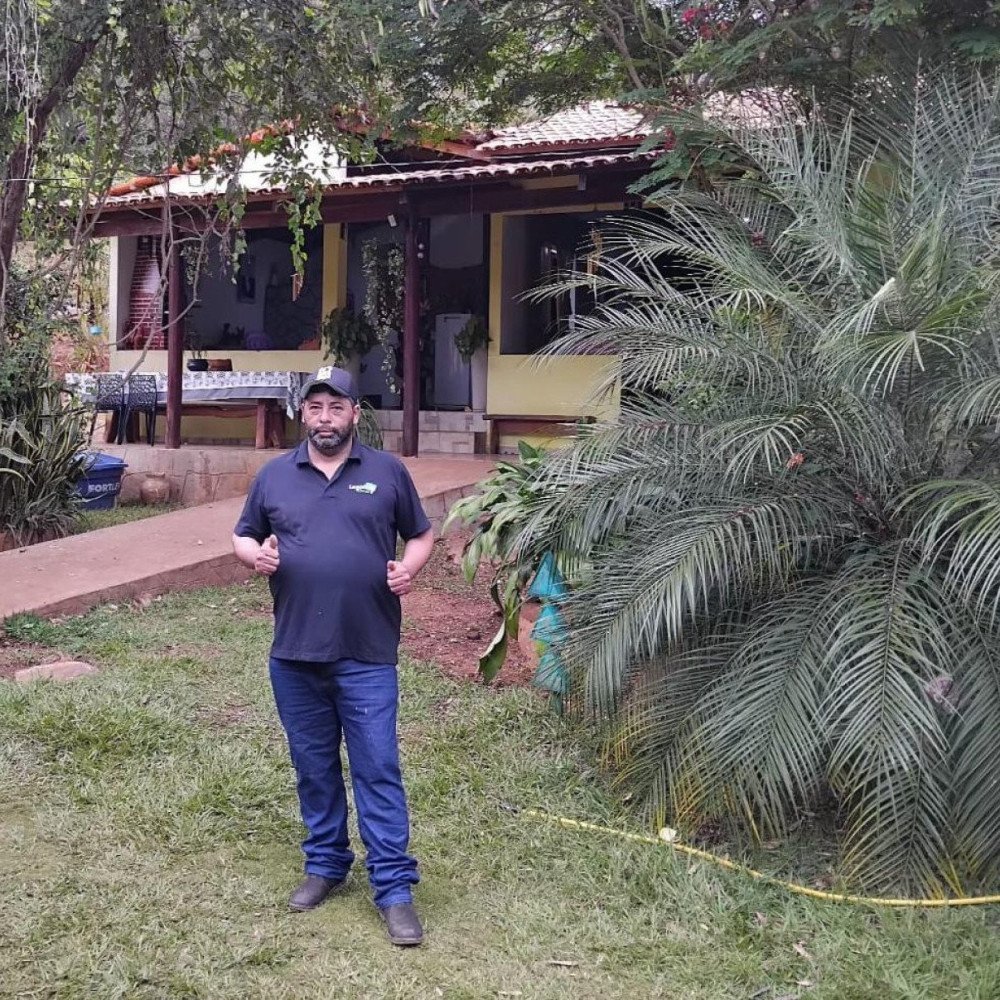
A 42-year-old surveyor was rescued after spending several days lost within the remote terrain of the Cavernas do Peruaçu National Park in northern Minas Gerais, Brazil. The man, whose identity has not been publicly released by authorities, managed to navigate over 40 kilometers through dense vegetation before reaching a rural community on his own, according to reports from local civil defense and park officials.
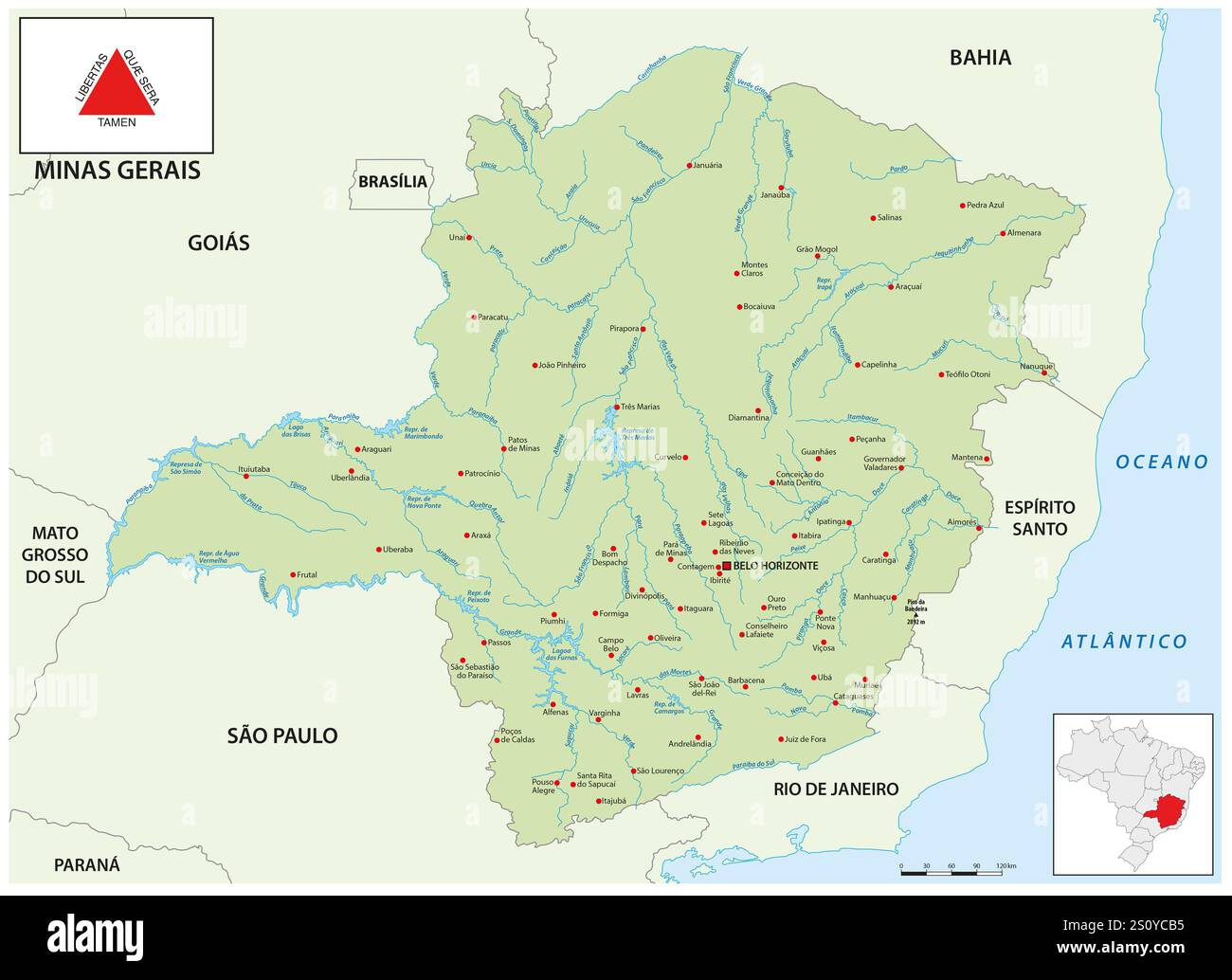
The surveyor went missing while conducting professional mapping work within the protected area, a region known for its complex karst topography and expansive cave systems. His disappearance triggered a search operation involving park rangers and local authorities, as the park’s rugged landscape presents significant challenges for navigation and communication. The ICMBio (Chico Mendes Institute for Biodiversity Conservation) manages the park, which spans over 56,000 hectares across the municipalities of Januária, Itacarambi, and São João das Missões.
Survival and Navigation in the Peruaçu Wilderness
According to statements provided to regional authorities, the man survived by locating a small stream, which provided essential hydration as he navigated the forest. While attempting to orient himself, he also recovered a flashlight, an item that proved critical in allowing him to continue his trek after sunset. The ability to maintain mobility in the park is often hampered by the lack of cellular signal and the dense, thorny scrubland typical of the Brazilian Cerrado biome.
The surveyor eventually reached a rural settlement located on the periphery of the park, where residents provided initial assistance and contacted emergency services. Local authorities confirmed that despite the duration of his exposure to the elements, he was found in relatively stable physical condition. His arrival at the community marked the conclusion of an intense search effort that had been complicated by the vast, unmapped sections of the national park.
Geographic and Safety Challenges of the Park
The Cavernas do Peruaçu National Park is internationally recognized for its archaeological significance and its high concentration of limestone caves. However, these same features create a dangerous environment for those who deviate from established trails. The park’s official management guidelines require researchers and contractors to coordinate closely with rangers to ensure safety protocols are followed, particularly given the extreme temperatures and limited access to potable water in the backcountry.
This incident highlights the inherent risks of professional field work in protected areas of Brazil. The surveyor’s successful exit, while fortuitous, has prompted discussions among local stakeholders regarding the necessity of improved GPS tracking and satellite communication devices for workers operating in remote sections of the park. The vast, undulating topography of the region makes traditional search and rescue operations highly resource-intensive, often requiring aerial support and local knowledge of the karst terrain.
Next Steps for Safety Oversight
Following the rescue, park administrators are expected to conduct a formal review of the safety protocols in place for contractors and researchers. As of the latest reports, there have been no further incidents involving individuals reported missing in the Peruaçu sector. Future operations within the park will likely emphasize stricter check-in requirements and the mandatory use of satellite-linked communication for all personnel working outside of the main tourist trails.
For visitors and researchers planning to enter the park, the ICMBio official portal provides up-to-date guidance on restricted zones and safety requirements. As the investigation into the surveyor’s path concludes, local authorities have encouraged anyone working in the region to register their routes and expected return times with the park’s administration center. We will continue to monitor any official updates regarding safety policy changes in the region. Please share your thoughts or questions in the comments section below.
Related reading