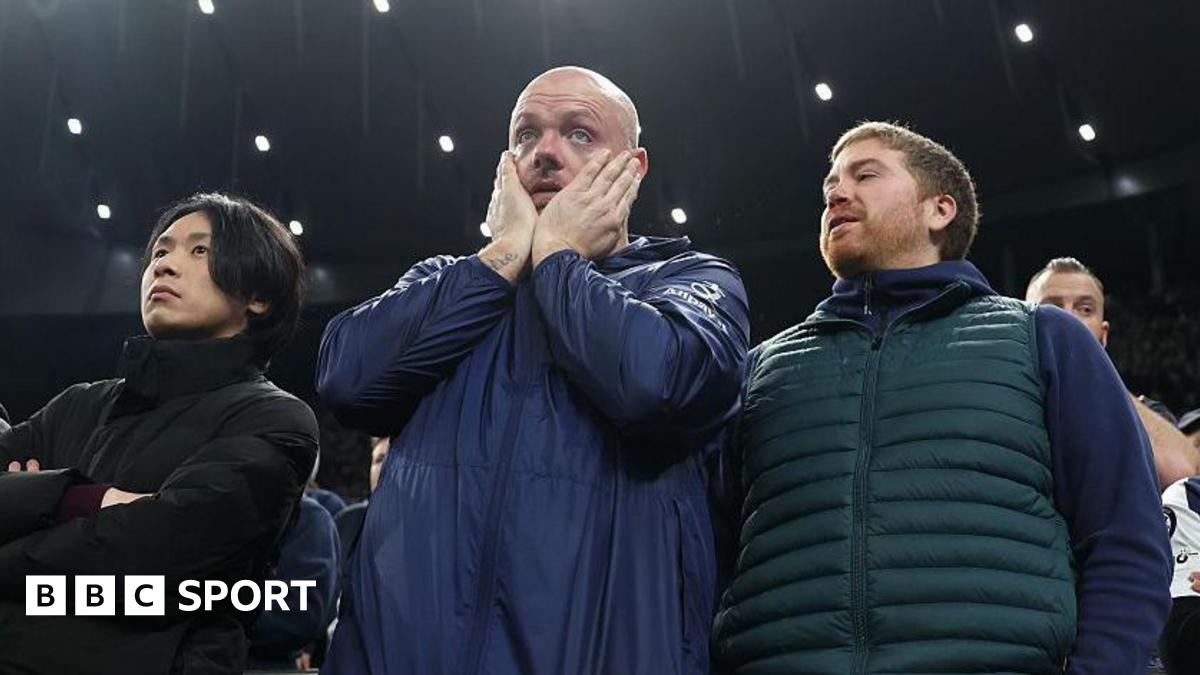
Tottenham’s Perpetual Managerial Carousel: A Club in Crisis?
For Tottenham Hotspur, stability has become a distant memory. The North London club finds itself once again searching for a manager capable of unlocking consistent success, a pattern that has defined – and arguably plagued – the club for over two decades. While the pursuit of a winning formula is common across football, Tottenham’s rapid turnover of managers, coupled with a perceived lack of sustained investment in the squad, raises serious questions about the club’s direction and the role of chairman Daniel Levy in its ongoing struggles. The recent dismissal of Ange Postecoglou, despite winning a trophy, underscores the precarious position of even successful managers at the Tottenham Hotspur Stadium, and begs the question: who, if anyone, can break this cycle?
The revolving door at Tottenham has spun relentlessly. Since the departure of Mauricio Pochettino in November 2019, the club has appointed and dismissed José Mourinho, Nuno Espírito Santo, Antonio Conte, Ange Postecoglou, and most recently, Thomas Frank. Each arrival brought initial optimism, often fueled by the manager’s pedigree and tactical approach, but each tenure ultimately ended in disappointment, often acrimony. This constant upheaval disrupts team cohesion, hinders long-term planning, and leaves fans questioning the club’s vision. The appointment of Postecoglou, following a successful stint at Celtic, briefly appeared to signal a shift, culminating in a League Cup victory – the club’s first trophy in 15 years. However, a disappointing finish to the Premier League season led to his departure, continuing the cycle of instability.
The Mourinho Experiment and Its Aftermath
The appointment of José Mourinho in November 2019 was initially hailed as a coup for Tottenham. The Portuguese manager, renowned for his tactical brilliance and trophy-laden career, was tasked with transforming Spurs into genuine title contenders. Mourinho briefly delivered on that promise, guiding Tottenham to the top of the Premier League table in November 2020, as reported by Sky Sports. This victory against Manchester City, achieved with a defensive masterclass and goals from Heung-Min Son and Giovani Lo Celso, was seen as a statement of intent. However, the team’s underlying performance remained inconsistent, and Mourinho was sacked in April 2021, just days before the Carabao Cup Final. This dismissal, as noted in his Wikipedia entry, marked the first time Mourinho had left a club without winning a trophy since 2002. José Mourinho – Wikipedia
The subsequent appointments of Nuno Espírito Santo and Antonio Conte further highlighted the club’s erratic decision-making. Nuno, a relatively uninspired choice, lasted only four months before being replaced by Conte, a proven winner but a notoriously demanding manager. Conte did guide Spurs back into the Champions League, but his tenure was marred by public criticism of the club’s infrastructure and lack of ambition. His scathing assessment – that Tottenham had not won a trophy in 20 years due to failings within the club – resonated with many fans and laid bare the deep-seated issues plaguing the organization.
Levy’s Role and the Search for a Winning Formula
Throughout this period of managerial instability, Daniel Levy, Tottenham’s chairman since 2001, has remained a constant figure. While Levy is credited with overseeing significant improvements to the club’s infrastructure, including the construction of the state-of-the-art Tottenham Hotspur Stadium, he has similarly been criticized for his perceived frugality and reluctance to invest heavily in the squad. Conte’s public rebuke of the club’s lack of trophy success directly implicated Levy’s leadership, suggesting a fundamental disconnect between the manager’s ambitions and the club’s ownership. The pattern of hiring and firing managers, coupled with limited transfer market activity, has led many to question Levy’s long-term strategy.
The appointment of Ange Postecoglou represented a departure from Tottenham’s previous managerial hires, with the Australian tactician known for his attacking philosophy and commitment to developing young players. His initial success, culminating in a League Cup victory, offered a glimmer of hope. However, the team’s late-season collapse and a disappointing league finish ultimately proved fatal. The swift dismissal of Postecoglou, despite the trophy win, reinforces the perception that Tottenham operates under a particularly unforgiving and short-sighted management structure.
The Frank Failure and the Path Forward
The brief and unsuccessful tenure of Thomas Frank, appointed in April 2024, further illustrates the challenges facing any manager who takes the helm at Tottenham. Frank, who had enjoyed success with Brentford, was unable to turn around the team’s fortunes and was quickly relieved of his duties. This latest setback leaves Tottenham once again at a crossroads, searching for a manager who can not only deliver results but also navigate the complex political landscape within the club.
The question remains: what does Tottenham need to do to break this cycle of managerial instability and finally achieve sustained success? A significant shift in strategy is required, one that prioritizes long-term planning, substantial investment in the squad, and a clear articulation of the club’s ambitions. Simply hiring another high-profile manager is unlikely to solve the underlying problems. A more fundamental reassessment of the club’s structure and leadership may be necessary. The club needs to demonstrate a commitment to building a cohesive team, fostering a positive environment, and providing the manager with the resources and support needed to succeed.
Key Takeaways
- Managerial Instability: Tottenham has experienced a remarkably high turnover of managers since 2019, hindering long-term progress.
- Levy’s Influence: Chairman Daniel Levy’s leadership and financial approach have come under scrutiny, with critics questioning his commitment to sustained investment.
- Lack of Trophy Success: The club’s 20-year trophy drought remains a significant source of frustration for fans and a point of contention for managers.
- Cycle of Disappointment: The pattern of hiring and firing managers without addressing underlying structural issues suggests a deeper problem within the organization.
The future of Tottenham Hotspur remains uncertain. The club’s next managerial appointment will be crucial, but it is equally important that the ownership addresses the systemic issues that have plagued the club for far too long. Until these issues are resolved, Tottenham is likely to remain trapped in a cycle of disappointment, perpetually searching for the elusive formula that will finally bring success to North London. The next step for Tottenham will be announcing their next managerial appointment, a decision that will undoubtedly be scrutinized by fans and pundits alike.
What are your thoughts on Tottenham’s current situation? Share your opinions in the comments below and let us realize what you think the club needs to do to turn things around.
Related reading