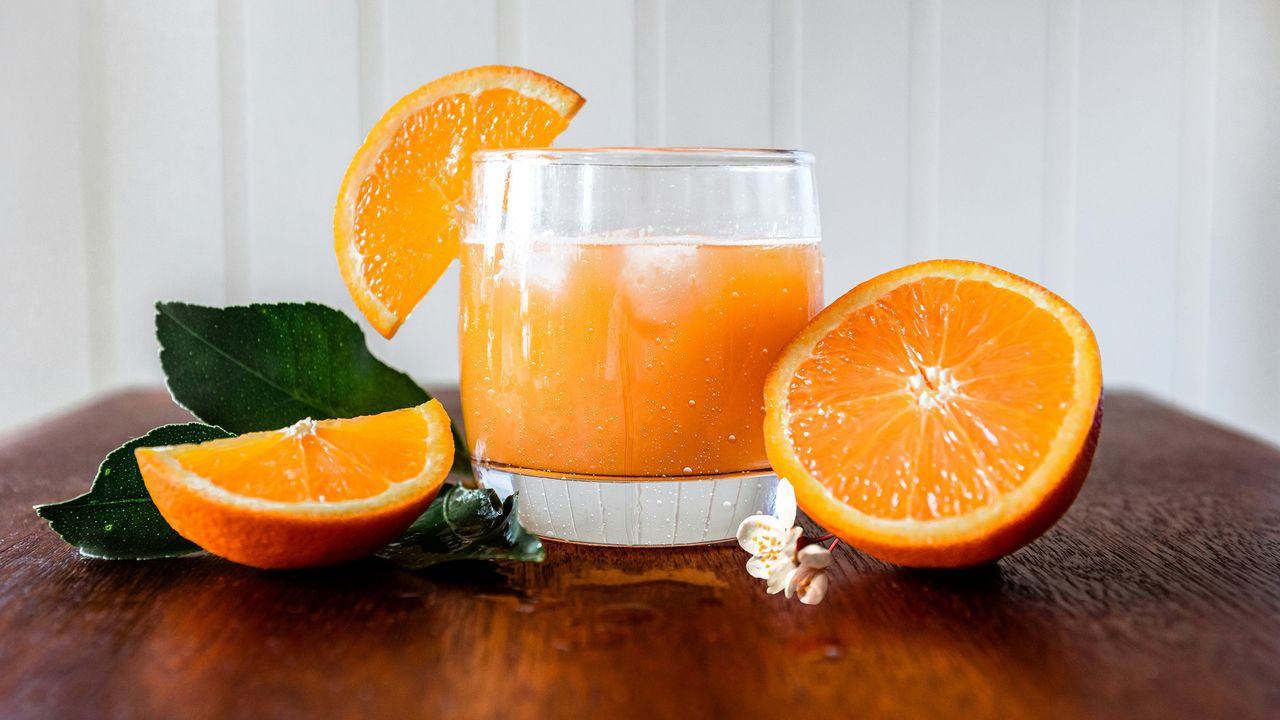
A female tourist discovered a street vendor’s “freshly squeezed” orange juice was actually a pre-prepared sugar solution after witnessing a deceptive extraction process. The incident, documented in a viral video, shows a vendor appearing to juice six oranges into a cup, while the resulting liquid tasted like “sugar water” rather than natural fruit juice.
The deceptive practice involves a specialized juicing machine designed to mimic the appearance of fresh extraction while delivering a synthetic mixture. According to reports on the incident, the vendor placed whole oranges into the machine, but the juice dispensed into the glass came from a separate, concealed reservoir containing a diluted syrup or sugar-based beverage.
Mechanics of the Fresh Juice Scam
The scam relies on a visual illusion where the physical action of crushing fruit does not correlate with the liquid being served. The tourist observed the vendor feed six oranges into the press, yet the taste and consistency of the beverage lacked the acidity and pulp characteristic of real citrus. This method allows vendors to use significantly fewer oranges—or none at all—while charging a premium for “freshly squeezed” products.
Similar food fraud tactics have been reported in various tourist hubs globally, where “fresh” signage is used to justify higher prices. In these cases, the machinery acts as a prop rather than a tool for production. The liquid is typically a mixture of water, citric acid, artificial orange flavoring, and high concentrations of sugar to mimic the viscosity of real juice.
Identifying Food Fraud in Tourist Areas
Consumer advocacy groups and travel safety guides suggest that travelers remain vigilant when purchasing “fresh” food from street vendors. Common red flags include juice that appears too uniform in color, lacks natural sediment, or is dispensed from machines that do not seem to actually extract liquid from the fruit in real-time.
The distinction between genuine fresh juice and synthetic alternatives often lies in the temperature and the immediate aftertaste. Natural orange juice contains volatile oils from the peel and a specific balance of fructose and glucose, whereas “sugar water” alternatives often leave a cloying, chemical residue on the palate.
Impact of Viral Exposure on Vendor Practices
The dissemination of this video serves as a warning to other travelers about the prevalence of “fake” fresh produce. By filming the process and comparing the visual input (six oranges) with the sensory output (sugar water), the tourist provided a concrete example of how street-level food fraud operates.
This type of transparency often prompts local authorities to increase inspections of street food stalls, although enforcement varies by jurisdiction. The incident highlights a growing trend of consumers using social media to document and expose deceptive business practices in real-time, creating a digital record that warns future visitors.
Travelers are encouraged to report such incidents to local consumer protection agencies or tourism boards to help maintain food safety and honesty standards in high-traffic areas. Those seeking genuine fresh juice are advised to look for vendors who squeeze fruit in plain view without the use of opaque, complex machinery that hides the flow of liquid.
Further updates on local regulatory responses to street vendor fraud are typically issued by municipal health departments or city commerce bureaus.
Do you have experience with similar street food scams? Share your story in the comments below to help other travelers stay informed.
Related reading