
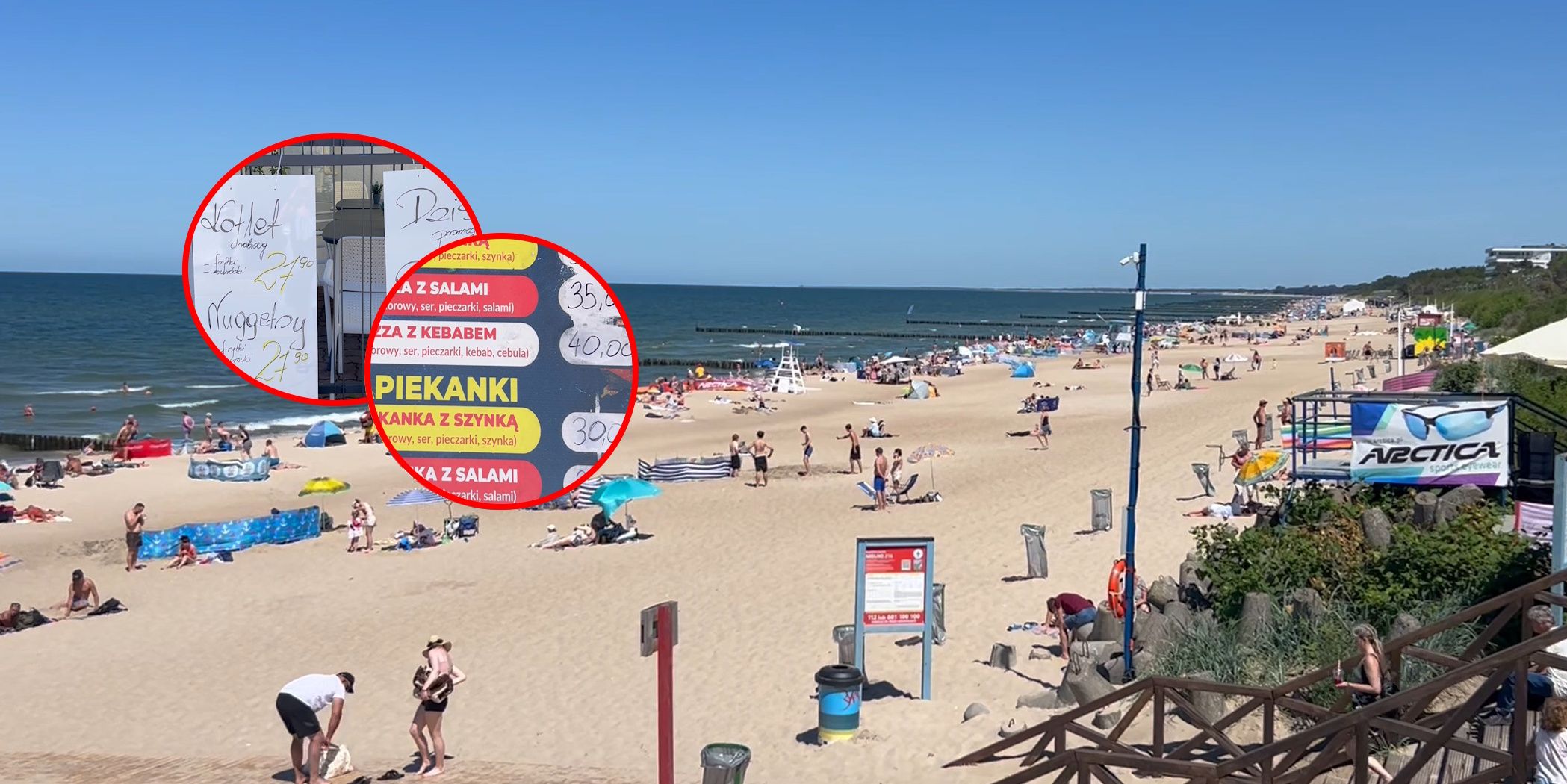
Travelers visiting Poland’s Baltic coast are reporting varied daily expenditures for dining during the 2024 summer season, with costs largely dictated by location and service level. While popular resorts like Sopot, Kołobrzeg, and Świnoujście remain high-demand destinations, industry data from the Polish Chamber of Tourism and consumer price index reports indicate that inflation in the hospitality sector has stabilized compared to previous years, though prices remain sensitive to local demand and seasonal peaks.
For visitors planning a trip to the Baltic Sea, the cost of dining out serves as a significant portion of the total travel budget. According to recent market analysis from Bankier.pl, a leading financial news portal in Poland, the average price for a standard lunch in a coastal tourist hub ranges between 40 PLN and 70 PLN per person. These figures reflect a moderate increase in operational costs for restaurateurs, driven primarily by higher energy bills and wage growth in the service industry, as documented by the Statistics Poland (GUS) monthly reports on consumer prices.
Factors Influencing Coastal Dining Costs
The price discrepancy between various Baltic resorts often depends on the proximity to the beach and the popularity of the specific town. In prime locations, such as the main promenades of Sopot or Międzyzdroje, overhead costs for rental spaces are significantly higher, which is frequently passed on to the consumer. Financial analysts observing the sector note that while “shocking” receipts—often colloquially referred to in Polish media as “paragony grozy”—occasionally circulate on social media, they rarely represent the average cost for a typical tourist meal.

According to data tracked by the Polish Press Agency (PAP), establishments operating in the Baltic region have faced a challenging economic environment characterized by high labor costs. Restaurateurs are balancing these expenses against the need to maintain competitive pricing to attract domestic and international visitors. Travelers looking to optimize their food budgets are increasingly utilizing independent booking platforms and local review aggregators to identify establishments that offer fixed-price lunch menus, which can reduce daily food expenditure by approximately 15% to 20% compared to a la carte ordering.
Budgeting for a Baltic Vacation
To provide a clear picture of current expenses, it is helpful to categorize spending based on service tiers. A simple fast-food meal or a traditional fish-and-chips style plate typically costs between 35 PLN and 50 PLN. In contrast, a two-course meal at a mid-range, sit-down restaurant usually averages 80 PLN to 120 PLN per person, depending on the choice of protein and beverages. These figures are consistent with the broader inflationary trends monitored by the National Bank of Poland (NBP), which has been tracking the impact of food and beverage price indices on the tourism sector throughout the current fiscal year.
When planning, tourists should account for the following average cost components:
- Breakfast/Coffee: 25–40 PLN per person.
- Lunch/Main Course: 40–70 PLN per person.
- Dinner/Full Experience: 80–150+ PLN per person.
- Beverages (Alcoholic/Soft): 12–25 PLN per unit.
These estimates are based on current market observations for the 2024 season. Visitors are encouraged to check the Ministry of Sport and Tourism portal for official guidance on consumer rights and price transparency mandates, which require businesses to clearly display pricing menus in visible, accessible locations.
Strategic Tips for Managing Travel Expenses
For those concerned about fluctuating prices, local tourism boards suggest moving slightly away from the primary beachfront strips. Restaurants located just a few streets inland often offer similar quality with lower overhead costs, resulting in more favorable pricing for the end consumer. Furthermore, the use of local grocery chains for breakfast or light snacks can significantly extend a travel budget, a common practice among families visiting the Baltic coast for longer durations.
The current economic landscape remains fluid. The next major update regarding tourism expenditure and inflation trends in the hospitality sector is expected in the quarterly Statistics Poland economic review scheduled for release in late 2024. Travelers are invited to share their own experiences regarding current pricing in the comments section below to help create a more comprehensive picture for prospective visitors.