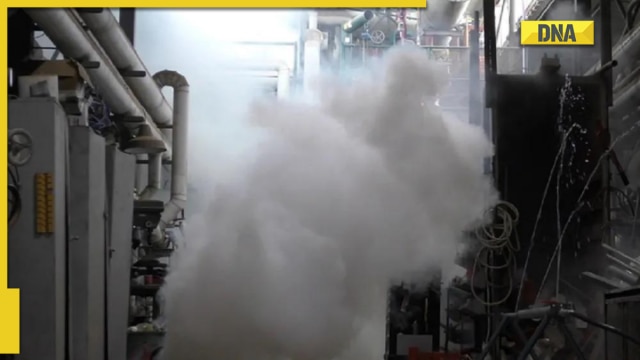
SSAB has suspended all groundworks at its new steel plant construction site in Luleå, Sweden, following a series of worker illnesses and the discovery of toxic gases within machinery. The SSAB construction halt in Luleå comes as a precautionary measure after multiple employees sought medical attention for symptoms including nausea and severe headaches.
The decision to stop operations follows recent test results that identified elevated levels of hazardous gases inside the cabs of machines operating on the site. According to Lotta Jakobsson, who leads SSAB’s transition project in Luleå, the tests revealed increased concentrations of nitrogen dioxide and sulfur dioxide within the vehicle cabins.
The health concerns escalated recently when a machine operator became ill on Friday, adding to a group of employees who had already sought healthcare for similar symptoms. SSAB officials have stated that personnel safety remains the highest priority as they work to determine the source of the contamination and the extent of the risk to the workforce.
Toxic Gas Detection and Immediate Response
The current suspension of work is a direct response to the identification of nitrogen dioxide and sulfur dioxide in the air quality of machine cabs. These gases are known irritants that can cause respiratory distress and other health issues upon exposure. The discovery has led to a total stoppage of all markarbeten (groundworks) across the construction area to prevent further exposure.
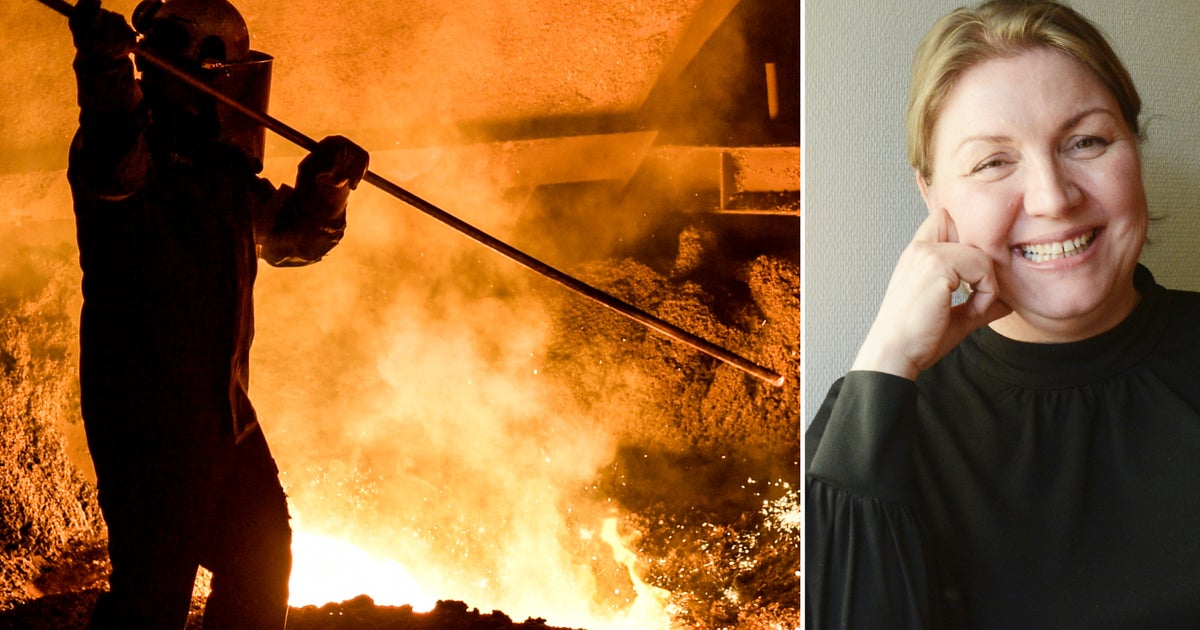
Charlotte Lindevall, SSAB’s communications chief, confirmed that no groundworks are currently taking place on the area as a protective measure. While the duration of the halt remains undetermined, the company is in the process of gathering more information and conducting additional testing to fully understand the situation to ensure worker safety.
A Timeline of Environmental Concerns
This is not the first time the Luleå site has faced health and safety alarms. In February 2026, personnel working in a different area of the site reported feeling unwell. At that time, SSAB paused work in that specific zone and relocated activities to another area, though recent events suggest this move did not resolve the underlying issue.
The company has been conducting an extensive investigation into potential soil contamination. Lotta Jakobsson noted that SSAB had previously taken over 1,000 samples during the environmental permit process, but those initial tests did not reveal any anomalies at that time. Despite these results, the recurring illness among staff has forced a re-evaluation of the site’s conditions.
While rumors regarding the presence of benzene or cyanide have circulated, SSAB has urged caution against speculation. The company has, however, previously notified the county administrative board (länsstyrelsen) that significant amounts of waste had been discovered on the property, suggesting a history of contamination that may be linked to the current gas leaks.
Business Context: The Luleå Transition Project
The construction site is part of a critical transition for SSAB in Luleå. Currently, the Luleå facility produces ore-based steel using iron ore pellets primarily sourced from the Malmfälten region. The existing process involves a coke plant that converts coal from Australia and the USA into gas and coke, which then feeds a blast furnace to create molten pig iron. This iron is further refined in LD converters and fine-tuned in ladle metallurgy before being cast into slabs for transport to Borlänge.
The new steel plant construction is a cornerstone of SSAB’s efforts to modernize its production. However, the current SSAB construction halt in Luleå introduces operational uncertainty into a project designed to shift the company toward more sustainable industrial practices. The intersection of legacy industrial waste and new construction often presents these types of environmental challenges, requiring rigorous remediation before work can safely resume.
Key Details of the Incident
| Category | Details |
|---|---|
| Detected Substances | Nitrogen dioxide and sulfur dioxide |
| Primary Symptoms | Nausea and headaches |
| Immediate Action | Total stop of all groundworks |
| Previous Indicators | Illness reports in February 2026; discovery of site waste |
| Testing Volume | Over 1,000 soil samples previously taken |
Occupational Health and Next Steps
The situation highlights the complexities of brownfield development in heavy industrial zones. The presence of nitrogen dioxide and sulfur dioxide in machine cabs suggests that gases may be escaping from the ground and accumulating in enclosed spaces, such as the cabs of heavy machinery. This poses a significant risk to operators who spend extended hours in these environments.
SSAB’s current strategy focuses on three primary objectives:
- Medical Monitoring: Ensuring that all affected employees, including the most recent machine operator, receive necessary healthcare.
- Environmental Mapping: Taking additional samples to identify the exact source of the toxic gases.
- Risk Mitigation: Establishing safety protocols that can guarantee the air quality in machinery before groundworks are permitted to restart.
The company’s communication emphasizes that “one should not proceed to work and become sick,” a sentiment echoed by Lotta Jakobsson as the company navigates the tension between construction deadlines and worker health.
The next confirmed step is the collection and analysis of further environmental samples to pinpoint the source of the gases. SSAB has not yet provided a date for the resumption of work, as the priority remains the total clearance of the site’s safety risks.
We invite our readers to share their perspectives on industrial safety and environmental remediation in the comments below. For further updates on global industrial transitions, please follow our Business section.
Worth a look