
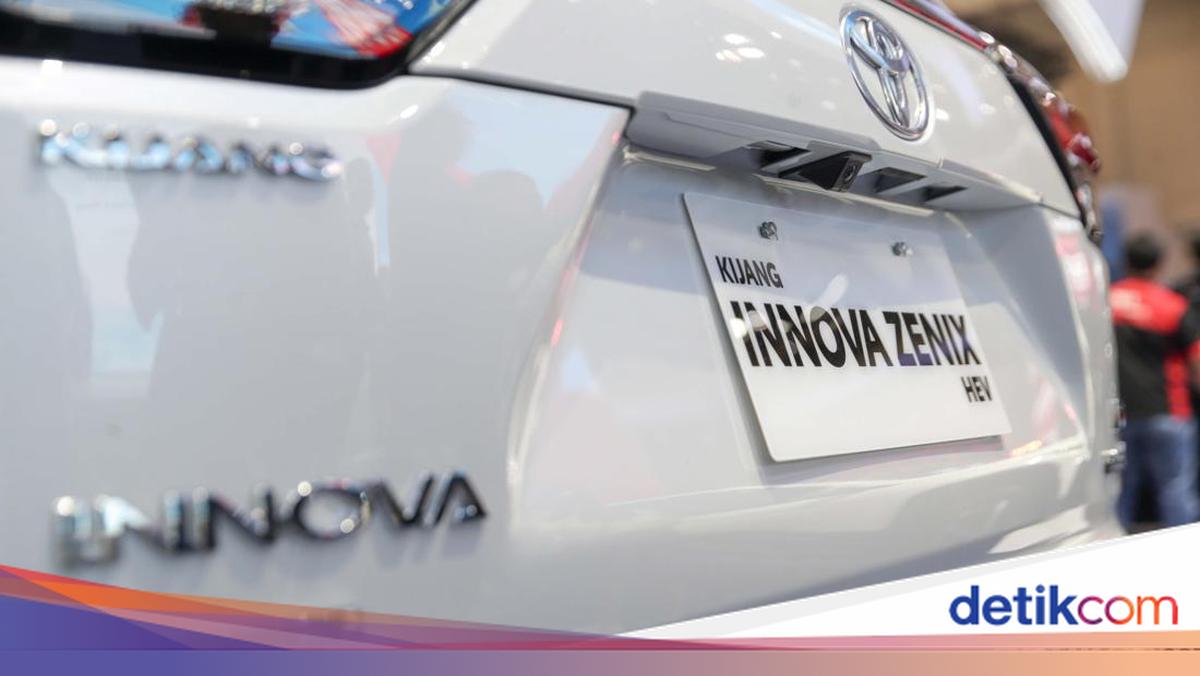
For many Indonesian families and corporate fleet managers, the Toyota Kijang Innova Zenix has transitioned from a luxury aspiration to a practical benchmark in the Multi-Purpose Vehicle (MPV) segment. Still, as we move through 2026, the conversation around ownership has shifted from initial purchase price to the long-term cost of maintenance—specifically the Pajak Kijang Innova Zenix Tahun 2026 (2026 annual tax).
Understanding the annual tax burden is critical because the Zenix is not a one-size-fits-all vehicle. With a diverse lineup ranging from traditional gasoline engines to advanced Hybrid Electric Vehicle (HEV) powertrains, the tax obligations vary significantly based on the vehicle’s market value and the specific regional regulations of the province where the car is registered.
As of early 2026, the Toyota Kijang Innova Zenix continues to command a premium position in the market. According to pricing data from January 2026, the Zenix is priced between Rp437,3 juta
and Rp629,8 juta
via Okezone Ototekno. This high valuation directly impacts the Pajak Kendaraan Bermotor (PKB), as the tax is calculated as a percentage of the vehicle’s Nilai Jual Kendaraan Bermotor (NJKB) or Motorized Vehicle Selling Value.
Breaking Down the 2026 Tax Components
To accurately estimate the total cost of ownership for 2026, owners must look beyond the base PKB. The total amount appearing on the STNK (Vehicle Registration Certificate) typically consists of several distinct components. The primary driver is the PKB, but this is supplemented by the SWDKLLJ (Road Accident Insurance), which is a mandatory contribution to the Jasa Raharja insurance fund.

For the Innova Zenix, the PKB is the most volatile variable. Because the Zenix is positioned as a premium MPV, its NJKB is higher than that of its predecessor, the Innova Reborn. This results in a tax bracket that is generally categorized as medium-to-high. While specific figures fluctuate by region, the tax for the gasoline variants is typically lower than for the high-spec Hybrid variants, which carry a higher initial market price.
One of the most significant considerations for 2026 owners is the impact of the hybrid powertrain on tax incentives. The Indonesian government has historically provided various incentives to encourage the adoption of electrified vehicles. Owners of the Zenix HEV should verify if their specific region offers a reduction in the PKB rate for hybrid vehicles, as this can lead to substantial annual savings compared to the purely gasoline versions.
Estimated Costs by Variant
While the exact tax depends on the specific province (such as DKI Jakarta vs. West Java), the pricing structure for 2026 provides a baseline for estimation. The gasolina-powered models, starting at approximately Rp437,3 juta
according to Oto.com, will naturally have a lower NJKB and thus a lower annual PKB.
In contrast, the top-tier Hybrid variants, which can reach Rp629,8 juta
as reported by Okezone, face a higher tax base. However, the operational efficiency of the hybrid system often offsets the higher tax cost through significantly reduced fuel expenditures, a trade-off that has develop into increasingly attractive as diesel and gasoline prices fluctuate.
Factors Influencing Your Tax Bill in 2026
Several variables can cause the Pajak Kijang Innova Zenix Tahun 2026 to differ between two identical models. Understanding these factors allows owners to plan their budgets more effectively.
- Regional Tax Rates: Each province in Indonesia sets its own PKB percentage. For instance, Jakarta may have different rates or incentive schemes compared to Central Java.
- Ownership Progression (Progressive Tax): If the Zenix is the second or third vehicle registered under the same name and address, a progressive tax rate applies, significantly increasing the annual cost.
- Vehicle Age: While the Zenix is relatively new, the NJKB typically depreciates over time. This means the annual tax for a 2022 model Zenix will be lower in 2026 than for a brand-new 2026 model.
- SWDKLLJ: This is a flat fee for all passenger cars and does not vary by the vehicle’s price, though it must be paid annually to renew the STNK.
Comparison: Zenix vs. Innova Reborn
A common dilemma for consumers in 2026 is whether to stick with the legendary Innova Reborn or upgrade to the Zenix. From a tax perspective, the Reborn is often cheaper to maintain annually due to its lower market value. However, the Zenix offers a leap in technology and efficiency. For those prioritizing low annual tax and proven diesel reliability, the Reborn remains a strong contender, with some 2026 premium versions starting around Rp400 jutaan
.
How to Calculate and Pay Your 2026 Taxes
The process of paying the annual tax has become significantly more streamlined through digitalization. Owners no longer need to spend entire days at the Samsat office. The most efficient way to handle the 2026 tax cycle is through the following channels:
Digital Applications: The use of Samsat Digital Nasional (SIGNAL) allows owners to check their tax obligations and pay via integrated payment gateways. This eliminates the need for physical queues and provides a digital receipt that can be exchanged for the physical STNK stamp.
E-Samsat Portals: Many provinces offer web-based e-Samsat portals where owners can input their vehicle registration number and chassis number to receive an exact billing amount. This is the most accurate way to determine the exact Pajak Kijang Innova Zenix Tahun 2026 for a specific vehicle.
Payment Outlets: For those preferring traditional methods, authorized payment points such as Indomaret, Alfamart, or various banking apps continue to support PKB payments.
Avoiding Penalties and Fines
Failure to pay the annual tax by the due date listed on the STNK results in administrative fines. These fines are calculated based on the number of months the payment is overdue. Given the high value of the Zenix, the base tax is already substantial; adding late penalties can create a significant financial burden. It is highly recommended to set a calendar reminder for the expiration date of the vehicle’s annual tax to avoid these unnecessary costs.
Quick Summary: Zenix Tax Outlook 2026
| Factor | Gasoline Variant | Hybrid (HEV) Variant |
|---|---|---|
| Price Range | Approx. Rp437,3M – Rp483,9M | Approx. Rp473,2M – Rp629,8M |
| Tax Base (NJKB) | Moderate | High |
| Annual Cost | Standard PKB | Higher PKB (Potential HEV Incentives) |
| Primary Benefit | Lower initial tax | Fuel efficiency & tech |
As the automotive landscape in Indonesia continues to shift toward electrification, the tax structure for vehicles like the Kijang Innova Zenix will likely evolve. Owners should preserve a close eye on government announcements regarding “Green Taxes” or further hybrid subsidies that could lower the cost of ownership in the coming years.
The next official update regarding vehicle tax regulations is typically released during the annual budget reviews of the respective provincial governments. Owners are encouraged to check their local Samsat portal for any changes in the PKB rates effective for the second half of 2026.
Do you own a Zenix or are you considering an upgrade from the Reborn? Share your experiences with annual tax costs and hybrid savings in the comments below.