Two Young Girls Die After Perth Car Crash as Western Australia Faces Another Deadly Weekend on the Roads
Perth, Australia — Two young girls, aged three and four, have died from injuries sustained in a car crash in the Perth suburb of Viveash, as Western Australia records yet another devastating weekend on its roads. The tragedy, which unfolded on April 17, has left a community in mourning and reignited concerns about road safety in the state, where fatalities continue to climb at an alarming rate.
The girls, whose names have not been released, passed away late on Sunday, April 26, 2026, more than a week after the Ford Territory they were traveling in left Muriel Street and collided with a tree. The crash, which occurred near the intersection with Cranwood Crescent, has prompted a police investigation, with authorities appealing for witnesses and dash-cam footage to piece together what led to the incident.
The Western Australian Police Force confirmed the girls’ deaths in a statement, describing the scene as one of “tragic loss.” The driver, a 24-year-old man, and a 24-year-old female passenger—believed to be the girls’ parents—were taken to Royal Perth Hospital with serious injuries. Their conditions have not been updated publicly, but police described them as stable at the time of the initial reports.
The Crash: What We Realize So Far
According to police reports, the crash occurred at approximately 2:25 p.m. On April 17, when the silver Ford Territory was traveling east along Muriel Street. For reasons still under investigation, the vehicle veered off the road, crossed a curb, and struck a tree. The impact was severe enough to cause life-threatening injuries to the two children, who were rushed to Perth Children’s Hospital for emergency treatment.
Vision from the scene, released by authorities, shows tire marks leading off the road and across a stretch of dirt before the tree, which remains standing but bears clear signs of impact at its base. The Western Australia Police Force’s Major Crash Investigation Section is leading the inquiry and has urged anyone with information, particularly dash-cam or mobile phone footage, to come forward. Witnesses can submit evidence directly through the police’s online portal.
The girls’ deaths bring the total number of road fatalities in Western Australia to at least 60 for 2026, though official figures from the Road Safety Commission of Western Australia lag behind real-time reporting. As of April 20, the commission had recorded 58 deaths, including 31 motor vehicle occupants, 18 motorcyclists, eight pedestrians, and one cyclist. The Viveash crash, along with two additional fatalities over the Anzac Day long weekend, underscores a grim trend that has seen road deaths rise sharply in the state.
A State in Crisis: Western Australia’s Rising Road Toll
Western Australia’s road safety record has come under scrutiny in recent years, with 2025 marking one of the deadliest periods in nearly a decade. The state’s vast geography, long distances between regional centers, and a culture of car dependency have long been cited as contributing factors. However, experts warn that complacency, speeding, and distracted driving are playing an increasingly significant role in fatal crashes.
The Road Safety Commission’s latest data, even as not yet updated to include the Viveash fatalities, paints a concerning picture. In 2025, the state recorded 187 road deaths, a 12% increase from the previous year and the highest annual toll since 2016. The commission has attributed the rise to a combination of factors, including increased traffic volumes post-pandemic, a surge in regional travel, and a lack of investment in road infrastructure in some high-risk areas.
“Every death on our roads is a tragedy, and every family left behind is a community in mourning,” said Road Safety Commissioner Adrian Warner in a statement earlier this year. “We are seeing too many preventable crashes, particularly in regional areas where speed limits are higher and emergency response times can be longer. This is not just a statistic—it’s a call to action for every driver, passenger, and pedestrian.”
The Viveash crash is the latest in a series of high-profile incidents involving young children. In February 2026, a three-year-old boy died after being struck by a vehicle in the Perth suburb of Balga, while in March, a five-year-old girl was killed in a hit-and-run incident in Mandurah. These tragedies have prompted renewed calls for stricter enforcement of speed limits in residential areas and greater investment in traffic calming measures, such as speed humps and pedestrian crossings.
The Human Cost: Families and Communities Left Devastated
While the investigation into the Viveash crash continues, the human cost of the tragedy is already painfully clear. The girls’ deaths have left their family, friends, and the wider community grappling with grief, while the surviving parents face an uncertain road to recovery from their own injuries.
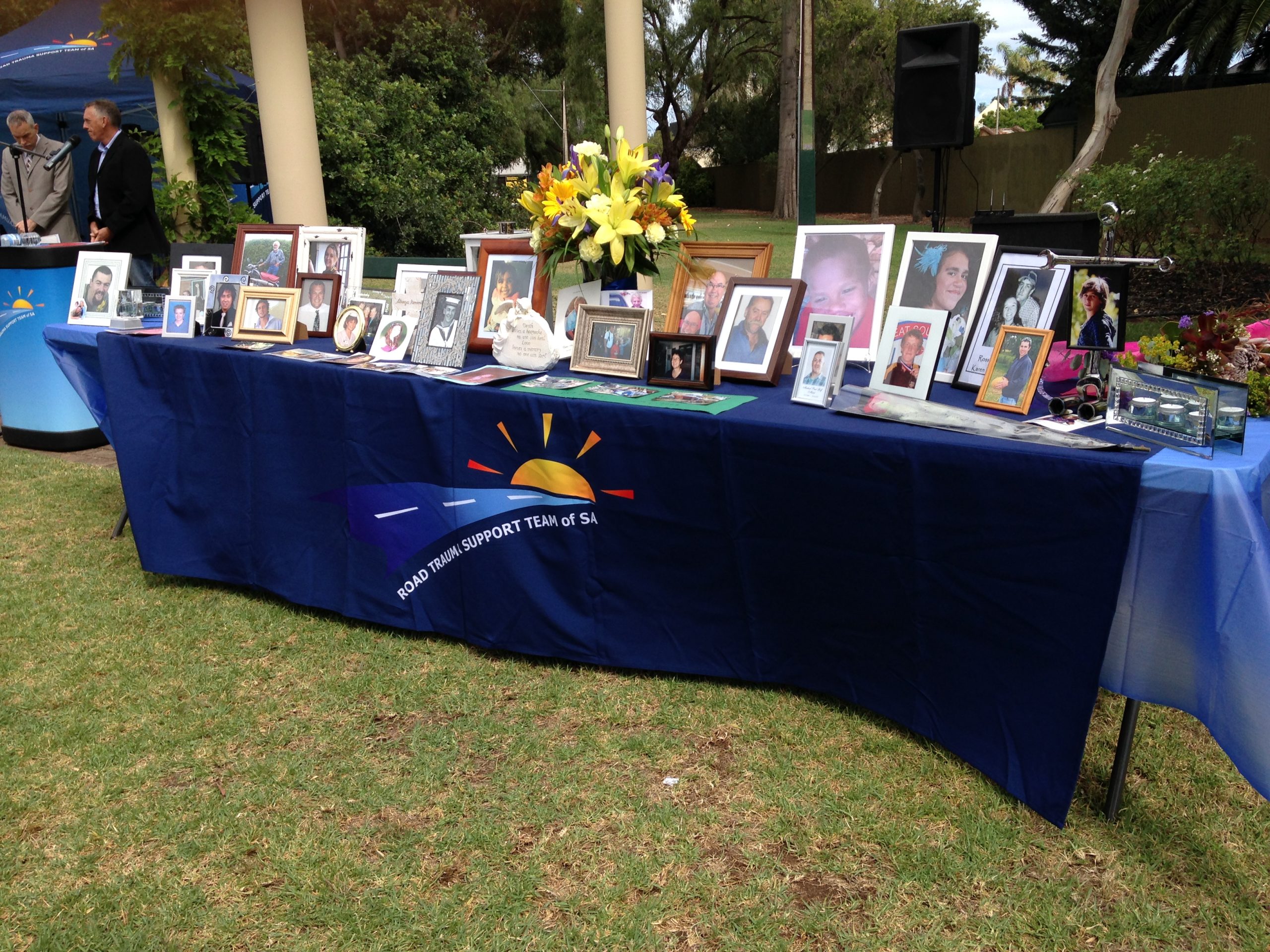
Road Trauma Support WA, a not-for-profit organization that provides counseling and support to those affected by road crashes, has seen a surge in demand for its services in recent months. CEO Melissa Watts said the organization is bracing for an increase in calls following the Viveash incident and the Anzac Day weekend fatalities.
“The impact of a road crash extends far beyond the immediate victims,” Watts said. “Families are left shattered, witnesses are traumatized, and entire communities can be affected. The grief is compounded when children are involved, as it forces us to confront the fragility of life and the randomness of these tragedies.”
For those struggling with the emotional fallout of road trauma, support is available through Road Trauma Support WA, which offers free counseling and resources. The organization can be reached at 1300 004 814.
What Happens Next?
The Major Crash Investigation Section is expected to release a preliminary report on the Viveash crash in the coming weeks, though a full investigation could take several months. Police have not yet indicated whether charges will be laid against the driver, as the circumstances surrounding the crash remain under scrutiny.
In the meantime, authorities are urging motorists to exercise caution, particularly in residential areas where children may be playing. The Western Australia Police Force has reiterated its call for drivers to adhere to speed limits, avoid distractions, and remain vigilant at all times.
“Road safety is everyone’s responsibility,” said a police spokesperson. “We all have a role to play in preventing these tragedies—whether it’s slowing down in school zones, putting our phones away, or simply being more aware of our surroundings. No family should have to endure the loss of a child because of a moment’s inattention.”
A Call for Action: What Can Be Done?
The Viveash crash has reignited debates about road safety measures in Western Australia, with advocates calling for a range of interventions to reduce the state’s rising road toll. Among the proposals gaining traction are:
- Lower speed limits in residential areas: Advocates argue that reducing speed limits from 50 km/h to 40 km/h in built-up areas could significantly reduce the severity of crashes involving pedestrians and cyclists.
- Increased enforcement of distracted driving laws: Western Australia has some of the strictest penalties for mobile phone use while driving, but enforcement remains inconsistent. Police have called for more resources to crack down on offenders.
- Greater investment in road infrastructure: Critics say the state’s road network has not kept pace with population growth, particularly in outer suburbs like Viveash, where traffic volumes have increased sharply in recent years.
- Public awareness campaigns: Road safety groups are pushing for more targeted campaigns to educate drivers about the dangers of speeding, fatigue, and drug and alcohol use.
- Mandatory speed limiters in new vehicles: Some experts have suggested that all new cars sold in Australia should be fitted with intelligent speed assistance (ISA) technology, which can automatically limit a vehicle’s speed based on the posted limit.
The Western Australian government has faced criticism for its handling of road safety in recent years, with opposition parties accusing it of failing to act decisively on recommendations from the Road Safety Commission. In response, Transport Minister Rita Saffioti has defended the government’s record, pointing to recent investments in road upgrades and safety initiatives.
“We are committed to reducing road trauma in Western Australia, and we are taking action on multiple fronts,” Saffioti said in a statement last month. “This includes $1.2 billion in funding for road upgrades over the next four years, as well as targeted campaigns to address high-risk behaviors like speeding and drink-driving.”
However, critics argue that more needs to be done, particularly in light of the state’s rising road toll. “We cannot afford to be complacent,” said opposition transport spokesperson Shane Love. “Every life lost on our roads is one too many, and it’s time for the government to treat this as the crisis it is.”
How to Stay Informed and Get Involved
For those looking to stay updated on the Viveash crash investigation, the Western Australia Police Force will provide updates through its official website and social media channels. The Road Safety Commission also publishes regular reports on road fatalities and safety initiatives, available here.
Community members who wish to support road safety efforts can get involved with local advocacy groups, such as the Road Safety Commission’s community programs or the Royal Automobile Club of Western Australia (RAC), which runs education and awareness campaigns.
For those affected by the Viveash crash or other road trauma, support is available through the following organizations:
- Road Trauma Support WA (1300 004 814)
- Lifeline Australia (13 11 14)
- Beyond Blue (1300 22 4636)
Looking Ahead: A State at a Crossroads
The deaths of the two young girls in Viveash serve as a stark reminder of the human cost of road trauma and the urgent need for action. As Western Australia grapples with a rising road toll, the coming months will be critical in determining whether the state can reverse this troubling trend.
The next official update on the Viveash crash investigation is expected within the next two weeks, with police urging anyone with information to come forward. In the meantime, the community is being encouraged to reflect on the importance of road safety and to take steps to protect themselves and others on the roads.
As we await further developments, let us honor the lives of the two young girls lost in this tragedy by committing to safer driving practices and advocating for change. Their deaths must not be in vain.
What are your thoughts on Western Australia’s road safety crisis? How can we better protect vulnerable road users, especially children? Share your views in the comments below and join the conversation on social media using the hashtag #RoadSafetyWA.
Worth a look
- 7.1 Magnitude Earthquake Hits Japan: Casualties Feared, People Trapped in Shopping Mall
- Polymarket Analysis: Why the Incumbent President Leads the Polls
- US FAA Proposes Safety Inspections for Hundreds of Boeing 737 MAX Jets (time.news)
- Measles Cases Hit 35-Year High: The Start of a New Crisis (newsdirectory3.com)