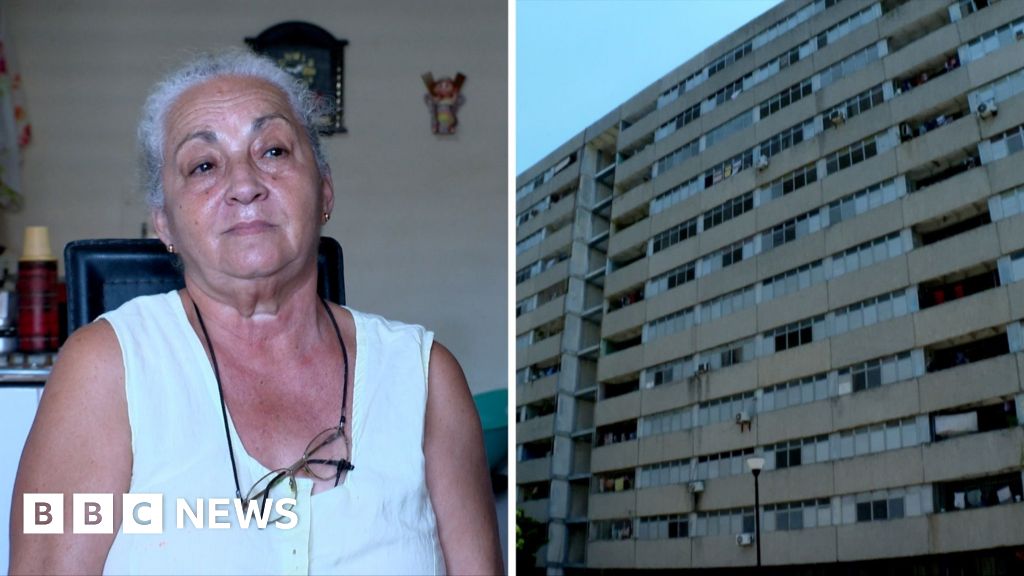
For millions living in Cuba’s aging urban centers, the rhythm of daily life is no longer dictated by the sun or the clock, but by the unpredictable cadence of the national electrical grid. As the country grapples with its most severe energy crisis in decades, widespread power outages have left residents in high-rise buildings facing constant uncertainty. The failure of the electrical infrastructure—driven by a combination of aging power plants, fuel shortages, and a lack of spare parts—has effectively turned vertical living into a trap for the most vulnerable members of society.
Living in a high-rise, once a symbol of urban development, has transformed into a precarious existence. When the power cuts, it is not merely the lights that go out; the cessation of electricity halts water pumps that feed tanks on rooftops and, most critically, renders elevators inoperable. For the elderly and those with chronic health conditions, the inability to navigate these structures creates a profound humanitarian challenge. The reality on the ground is that for many, a simple trip to the pharmacy or a medical emergency becomes an insurmountable obstacle when the elevators remain stationary for hours or days at a time.
The Structural Fragility of the Cuban Power Grid
The current instability is rooted in a systemic failure of Cuba’s electrical generation capacity. The nation relies heavily on a fleet of Soviet-era thermoelectric plants that have suffered from years of underinvestment and a persistent lack of maintenance. According to reports from the U.S. Energy Information Administration, the country’s reliance on imported fuel—often subject to global price volatility and international sanctions—has exacerbated the inability to keep these plants running at full capacity. In October 2024, the situation reached a critical point when the national grid experienced a total collapse, leaving the entire island without power for several days.
This instability forces the state utility, Unión Eléctrica, to implement rolling blackouts, known locally as “apagones.” While these are intended to manage the deficit, they often occur with little to no warning, leaving residents unable to prepare for the loss of essential services. The impact on high-rise housing is particularly acute, as the lack of a backup power supply for communal infrastructure means that basic accessibility is compromised the moment the grid fluctuates.
Impact on Vulnerable Demographics
The human cost of these outages is most visible in the stories of those who cannot easily leave their homes. Medical professionals and local organizations have noted that the inability to access essential services—such as dialysis or routine medication—is a growing concern. When elevators fail, those with limited mobility are effectively confined to their apartments. This isolation is not merely a matter of convenience; it is a significant risk to health, as the inability to reach emergency responders or medical facilities during a blackout can have life-altering consequences.
Public discourse within the country has increasingly focused on the disparity between those who have access to private generators and the vast majority who do not. The reliance on individual, often expensive, solutions highlights a widening gap in the ability to cope with the national crisis. As the state struggles to procure the necessary fuel and parts to stabilize the grid, the burden of the energy deficit continues to fall disproportionately on the shoulders of the elderly and the economically disadvantaged.
What Lies Ahead for Energy Stability
The path toward a stable energy future remains unclear. The Cuban government has stated that it is actively seeking international partnerships to modernize its infrastructure and transition toward renewable energy sources, such as solar and wind power. However, the scale of the investment required is immense, and the timeline for these projects is often delayed by financial constraints and logistical hurdles. As reported by the World Bank, the broader economic context of the island remains a significant factor in the speed at which these infrastructural improvements can be implemented.
For residents, the immediate future remains one of vigilance. The government periodically releases updates regarding power distribution schedules through the state-run media and the Telegram channels of provincial authorities. While these updates provide some insight into the expected duration of blackouts, they are often subject to change as technical faults occur at the power plants. Staying informed through these official channels remains the most reliable, albeit imperfect, way for residents to manage their daily affairs during periods of instability.
Key Takeaways for Residents and Observers
- Grid Instability: The national grid remains highly susceptible to sudden failure due to the age of thermoelectric plants and fuel supply constraints.
- Accessibility Risks: High-rise residents face significant risks when elevators are disabled, particularly for those requiring regular medical care or having limited mobility.
- Information Sources: Residents are encouraged to monitor updates from local provincial authorities and the state utility, Unión Eléctrica, for the most current information on power restoration schedules.
- Long-term Planning: The government has signaled an intent to transition to renewable energy to reduce dependence on imported fuels, though this process is currently in the early stages of development.
As the international community watches these developments, the conversation continues to revolve around the intersection of energy policy and human welfare. The daily struggle of Cuban citizens in high-rise buildings is a stark reminder of how essential reliable energy is to the functioning of a modern society and the safety of its most vulnerable members. We invite our readers to share their perspectives on how regional energy crises are shaping local communities in the comments section below.
Worth a look