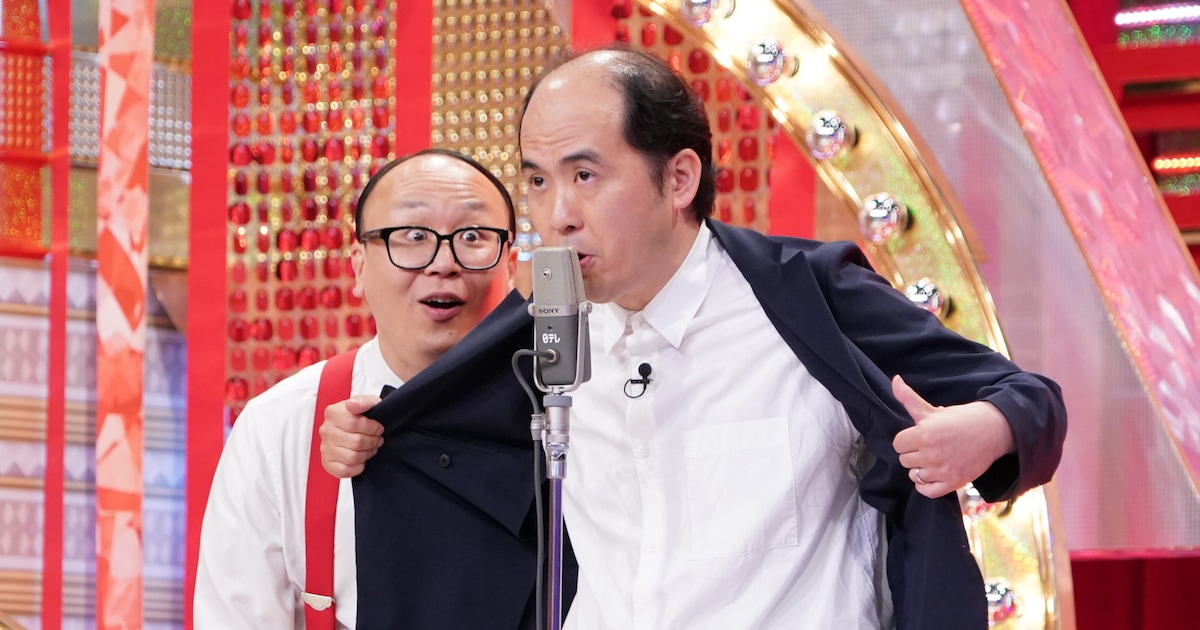
The Japanese comedy landscape is set to evolve with the upcoming “Double Impact 2026” tournament, a competition that challenges performers to demonstrate versatility by mastering both manzai and conte (sketch) formats. The event has confirmed its finalists, with notable acts including Trendy Angel, Nippon no Shacho, and Long Coat Daddy preparing to showcase their range on a dual-stage platform.
This tournament represents a significant shift in how industry standards are measured, moving away from specialized silos toward a "two-sword" approach—a term used in the industry to describe comedians who can excel in both traditional stand-up banter and structured narrative sketches. The competition is designed to test the technical foundations of these performers under high-pressure conditions.
The Format and The Finalists
The “Double Impact” competition requires participants to perform two distinct styles of comedy, an undertaking that demands significant preparation. According to official announcements regarding the tournament, the lineup features eight groups that have successfully navigated the preliminary rounds to reach the finals. Among the participants are Trendy Angel, alongside the duos Nippon no Shacho and Long Coat Daddy.

The selection of these specific acts highlights a strategic move by organizers to bring together performers with diverse backgrounds. For instance, Nippon no Shacho and Long Coat Daddy are recognized for their prowess in sketch comedy, while the inclusion of established manzai veterans adds a layer of intergenerational competition. This blend is intended to provide a comprehensive view of the current state of Japanese comedy, where the ability to adapt to different performance requirements is increasingly viewed as a hallmark of elite talent.
What the “Two-Sword” Approach Means for Performers
The term “two-sword” (nitoryu), popularized in this context by recent media coverage, refers to the ability to effectively execute both manzai and conte. In the Japanese comedy circuit, performers often specialize in one area for years. By forcing a transition between these two distinct disciplines in a single event, the “Double Impact” format introduces a level of difficulty rarely seen in standard variety programming.

For performers like Trendy Angel, this tournament serves as a public demonstration of their technical range. While they are known for their manzai, the shift to including structured sketches in a competitive environment forces a modification in pacing and delivery. Observers note that this format allows audiences to see a more nuanced side of these comedians, moving beyond their typical personas to showcase writing and acting skills that are often suppressed in shorter, single-style segments.
The Road to the Finals
The journey to the finals has been characterized by intense scrutiny from both judges and peers. Recent reports from the qualifying rounds indicated significant emotional stakes, with participants such as Sanfuku Entertainment visibly moved during the announcement of the finalists. This level of emotional investment underscores the prestige associated with the title.
The tournament structure is expected to continue with a series of high-stakes performances leading to the eventual crowning of the “Double Impact” champion. Fans and industry analysts are closely watching how the finalists balance the technical constraints of manzai—which relies heavily on timing and rapid-fire dialogue—with the narrative and character-driven requirements of conte. The final event is scheduled to be a major broadcast highlight, bringing together M-1 winners, KOC winners, and Double Impact winners to assess the new standard of performance.
Tournament Outlook and Participation
As the date for the final showdown approaches, the focus remains on the eight finalists and their preparation strategies. The inclusion of groups like Dondokorote among the final eight has further diversified the field, ensuring that the competition remains unpredictable. The event is not merely a contest but a showcase of the technical evolution of the craft.
The organizers have emphasized that the tournament is intended to foster growth within the comedy community by encouraging performers to step outside their comfort zones. By standardizing the requirement for versatility, the “Double Impact” tournament is establishing a new benchmark for what is expected of top-tier professional comedians in Japan. Further updates regarding the broadcast schedule and specific performance orders are expected to be released through official channels as the tournament progresses.
We invite our readers to share their thoughts on the shifting demands of competitive comedy. Do you believe the “two-sword” format accurately reflects the talent of a comedian, or does it dilute the mastery of specialized forms? Join the conversation in the comments section below and stay tuned for our ongoing coverage of the 2026 comedy season.