
Truecaller Faces New Pressure in India as Growth Slows and Competition Intensifies
For over a decade, Truecaller has been the go-to app for millions of users in India seeking to identify unknown callers and block spam. But as the company hits a milestone of 500 million monthly active users globally, its dominance in its largest market is facing unprecedented challenges. Slower growth, rising competition from telecom-led solutions, and shifting user behavior are forcing Truecaller to rethink its strategy in India—a market that still accounts for nearly 70% of its user base.
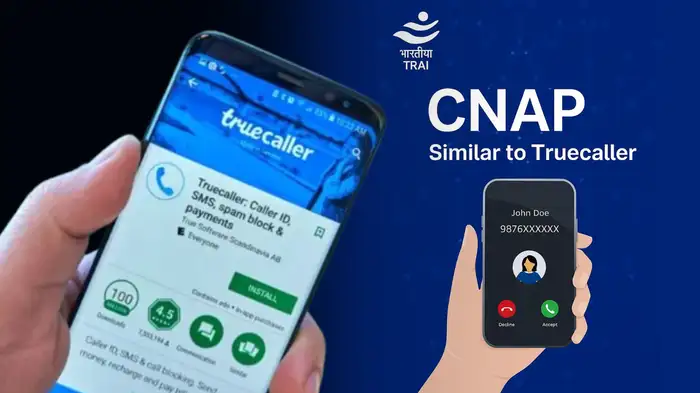
Data from app analytics firms shows a clear slowdown: downloads in India fell by 16% year-over-year in 2025, while global downloads declined by 5%, marking the first reversal in growth after years of expansion. The shift comes as telecom operators and smartphone manufacturers roll out built-in caller identification features, reducing reliance on third-party apps like Truecaller. Meanwhile, the Indian government’s push for a nationwide Calling Name Presentation (CNAP) system, expected to be fully implemented by March 2026, threatens to further erode Truecaller’s value proposition.
Truecaller’s leadership acknowledges the challenges but insists the company is adapting. In a recent interview with TechCrunch, a spokesperson emphasized that Truecaller is no longer just a caller ID app but a “communication safety platform,” with new features like AI Assistant and Family Protection designed to deepen user engagement and drive monetization. Yet, with competition intensifying and user growth stagnating, the question remains: Can Truecaller’s next phase be as strong as its first?
India Remains Truecaller’s Lifeline—But Growth Is Slowing
India has long been Truecaller’s most critical market. As of early 2026, the country accounts for over 350 million of Truecaller’s 500 million monthly active users—roughly 70% of its global base. The app’s popularity in India stems from the country’s chronic problem with spam calls, which surged in the mid-2010s as digital payments and online services expanded. Truecaller’s crowdsourced database, which lets users tag and report spam numbers, became an essential tool for millions.
However, growth in India is now slowing. According to data from Sensor Tower, Truecaller’s downloads in India peaked in 2021 at around 175 million before dropping sharply in 2022. Since then, annual downloads have stabilized at roughly 120 million, with India’s share of new users declining from over 70% at its peak to the mid-50% range in recent years. This shift suggests that while Truecaller remains deeply embedded in India’s digital ecosystem, its ability to attract new users is weakening.
The slowdown is partly due to market saturation. With over 350 million users in a country of 1.4 billion, Truecaller’s penetration among smartphone users is already high. But competition is likewise playing a role. Telecom operators like Airtel and Jio have introduced their own spam-blocking and caller ID features, while smartphone makers like Apple and Google have integrated similar functionality into their operating systems. These built-in solutions reduce the need for third-party apps, making it harder for Truecaller to justify its place on users’ devices.
The Rise of CNAP: A Direct Threat to Truecaller’s Core Business
The most significant challenge to Truecaller’s dominance in India may arrive from the government’s Department of Telecommunications (DoT), which is pushing for a nationwide rollout of the Calling Name Presentation (CNAP) system. CNAP, which is expected to be fully implemented by March 31, 2026, will allow telecom operators to display the name of incoming callers directly on users’ screens—without requiring a third-party app.
The DoT has framed CNAP as a solution to India’s spam call epidemic, arguing that it will reduce fraud and harassment by making it harder for scammers to hide behind anonymous numbers. Unlike Truecaller, which relies on crowdsourced data and user reports, CNAP will pull caller information directly from telecom databases, ensuring greater accuracy and reliability. For users, this means they may no longer need Truecaller to identify unknown callers—a feature that has been the app’s primary selling point for over a decade.
Truecaller has downplayed the threat, arguing that CNAP and its app can coexist. In a statement to TechCrunch, the company noted that CNAP will initially be limited to calls made within the same telecom network, leaving a gap for Truecaller to fill for cross-network calls. However, industry analysts warn that CNAP’s rollout could accelerate the decline of third-party caller ID apps, particularly if telecom operators expand the system to cover all calls in the future.
Truecaller’s Pivot: From Caller ID to a Broader Safety Platform
Facing these headwinds, Truecaller is attempting to reinvent itself. The company has introduced a suite of new features designed to move beyond caller ID and position itself as a broader “communication safety platform.” These include:
- AI Assistant: A feature that screens calls and messages, providing users with automated responses or summaries of missed calls.
- Family Protection: A subscription-based service that allows users to monitor and block suspicious calls for their entire family.
- Community Suggestions: A crowdsourced feature that lets users tag and report businesses, delivery services, and other legitimate callers to improve the accuracy of Truecaller’s database.
Truecaller is also doubling down on monetization. While the app remains free for basic caller ID functionality, the company has increasingly pushed premium subscriptions, which offer advanced spam-blocking, call recording, and ad-free experiences. In 2025, Truecaller reported that its subscription revenue grew by 30% year-over-year, suggesting that users are willing to pay for enhanced features. However, with India’s average revenue per user (ARPU) still low compared to Western markets, Truecaller faces an uphill battle in scaling its paid user base.
Another key part of Truecaller’s strategy is expanding beyond India. The company has seen modest growth in markets like the Middle East, Africa, and Southeast Asia, where spam calls are also a major issue. However, these regions account for a small fraction of Truecaller’s user base, and replicating its success in India will be challenging. Cultural differences, regulatory hurdles, and competition from local apps could limit Truecaller’s expansion in these markets.
What’s Next for Truecaller?
Truecaller’s future hinges on its ability to adapt to a rapidly changing landscape. The company’s leadership has acknowledged that growth in India is slowing but remains optimistic about its long-term prospects. In a recent earnings call, Truecaller’s CEO Alan Mamedi emphasized that the company is focused on “deepening engagement” with its existing user base rather than chasing new downloads. This strategy includes expanding its business services, such as Truecaller for Business, which helps companies verify their caller IDs and improve customer trust.


However, Truecaller’s challenges are far from over. The rollout of CNAP in 2026 could further reduce the need for third-party caller ID apps, while competition from telecom operators and smartphone makers shows no signs of slowing. To stay relevant, Truecaller will need to continue innovating and finding new ways to add value for its users—whether through AI, enhanced security features, or new monetization models.
For now, Truecaller remains a household name in India, but its next phase will test whether it can evolve beyond its roots as a simple caller ID app. The coming year will be critical as the company navigates regulatory changes, shifting user behavior, and intensifying competition. One thing is clear: Truecaller’s journey from a scrappy startup to a global tech player is far from over.
Key Takeaways
- Truecaller has 500 million monthly active users globally, with over 350 million in India—its largest market.
- Downloads in India fell by 16% year-over-year in 2025, signaling a slowdown in growth.
- The Indian government’s CNAP system, set to roll out by March 2026, could reduce reliance on third-party caller ID apps like Truecaller.
- Truecaller is pivoting to new features like AI Assistant and Family Protection to drive monetization and user engagement.
- Competition from telecom operators and smartphone makers is intensifying, further pressuring Truecaller’s market position.
What Happens Next?
The full implementation of CNAP in India by March 2026 will be a major test for Truecaller. If the system gains widespread adoption, it could accelerate the decline of third-party caller ID apps. Truecaller’s ability to innovate and expand its feature set will determine whether it can remain relevant in an increasingly crowded market.
For now, users and industry observers will be watching closely as Truecaller navigates these challenges. What do you think—can Truecaller adapt, or is its best days behind it? Share your thoughts in the comments below.