The Historic Broadcast: How CBS News Radio Covered D-Day in 1944
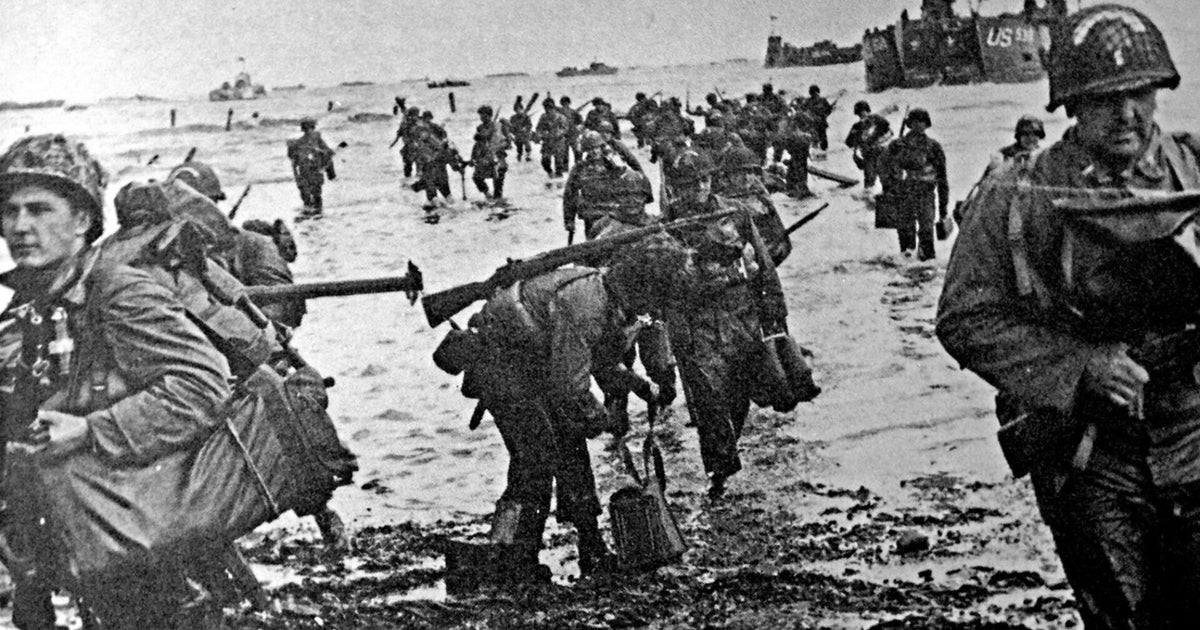
On June 6, 1944, the world awoke to one of the most pivotal moments of the 20th century: the Allied invasion of Normandy, known as D-Day. As over 156,000 troops from the United States, United Kingdom, Canada, and other Allied nations stormed the beaches of Nazi-occupied France, radio broadcasts became the lifeline for millions of listeners desperate for news. Among the most iconic of these broadcasts was the coverage by CBS News Radio, which captured the tension, uncertainty, and eventual triumph of the operation in real time. More than eight decades later, the echoes of that historic broadcast continue to resonate, offering a raw and unfiltered glimpse into the challenges and courage of that fateful day.
The D-Day invasion, codenamed Operation Overlord, was the largest amphibious assault in history. It marked the beginning of the end for Nazi Germany and set the stage for the liberation of Western Europe. For those tuning in on the radio, the news came in fragments—sometimes conflicting, often delayed, but always charged with the weight of history. CBS News Radio’s coverage, anchored by legendary broadcaster Bob Trout, stands as a testament to the power of journalism in moments of crisis. His voice, steady yet urgent, guided listeners through the fog of war, providing updates as they unfolded.
Today, as we reflect on the significance of D-Day, the preserved broadcasts from that day serve as more than just historical artifacts. They are a reminder of the role media plays in shaping public understanding during times of upheaval. For modern audiences, these recordings offer a unique opportunity to connect with the past, to hear the voices of those who lived through the uncertainty of war, and to appreciate the sacrifices made by the Allied forces. This article explores the context, challenges, and legacy of CBS News Radio’s D-Day coverage, as well as its enduring impact on journalism and collective memory.
The Dawn of D-Day: A Broadcast Like No Other
The early hours of June 6, 1944, were marked by secrecy and anticipation. Allied forces had spent months planning the invasion, and the success of the operation hinged on maintaining the element of surprise. For the journalists covering the event, the challenge was twofold: reporting the news accurately while avoiding any details that could compromise the mission. CBS News Radio, like other broadcasters, operated under strict censorship guidelines imposed by the Allied governments. Reporters had to balance the public’s right to know with the military’s demand for operational security.
Bob Trout, one of CBS’s most respected journalists, was at the helm of the network’s coverage that morning. His broadcast began in the pre-dawn hours, as the first reports of the invasion trickled in. Trout’s delivery was measured, reflecting the gravity of the moment. He described the scene as “a night of waiting and wondering,” acknowledging the anxiety felt by listeners around the world. His words were carefully chosen, avoiding specifics that could aid the enemy while still conveying the scale of the operation. “The greatest amphibious force in history is on its way to the shores of France,” he announced, a statement that would later become one of the most quoted lines from the coverage.
The broadcast was not without its challenges. Communication lines were unreliable, and updates from the front were often delayed or incomplete. At one point, Trout relayed a report from German radio, which claimed that the Allied invasion had been repelled—a claim that was later proven false. Such moments underscored the difficulties of reporting in real time during a rapidly evolving military operation. Despite these obstacles, CBS News Radio’s coverage provided a vital service, keeping the public informed and connected to the events unfolding across the English Channel.
The Role of Radio in World War II
In the 1940s, radio was the dominant medium for news and entertainment, serving as the primary source of information for millions of households. Unlike newspapers, which required time for printing and distribution, radio could deliver updates almost instantaneously. This made it an indispensable tool for governments and military leaders seeking to shape public opinion and maintain morale. During World War II, radio broadcasts became a lifeline for families separated by war, offering both news and a sense of connection to loved ones serving overseas.
For the Allied forces, radio was similarly a weapon of psychological warfare. The BBC’s European Service, for example, broadcast messages to resistance fighters in occupied Europe, providing coded instructions and encouragement. Similarly, CBS News Radio’s coverage of D-Day played a dual role: it informed the public while also signaling to the world that the Allies were taking decisive action against Nazi Germany. The broadcasts were not just news—they were a declaration of resolve.
The impact of radio during the war extended beyond news reporting. Programs like Command Performance and The Army Hour entertained troops and civilians alike, boosting morale with music, comedy, and celebrity appearances. For many Americans, these broadcasts were a reminder of what they were fighting for—a sense of normalcy and hope in the midst of chaos. D-Day, however, was different. The stakes were too high for entertainment. Instead, the focus was on delivering the facts, however incomplete, to a public hungry for information.
The Legacy of CBS News Radio’s D-Day Coverage
The broadcasts from June 6, 1944, have since become a cornerstone of historical documentation, offering future generations a window into the challenges and triumphs of that day. For historians and journalists, these recordings provide invaluable insights into how news was reported during a time of global conflict. They also highlight the ethical dilemmas faced by reporters, who had to navigate the fine line between transparency and national security.
One of the most enduring aspects of CBS News Radio’s coverage is its authenticity. Unlike modern news broadcasts, which are often polished and edited for clarity, the D-Day reports were raw and unfiltered. Listeners could hear the tension in the voices of the reporters, the static on the line, and the occasional confusion as updates came in. This unvarnished quality makes the broadcasts experience immediate and real, even decades later. They serve as a reminder that journalism, at its best, is not just about delivering information but also about capturing the human experience behind the headlines.
In recent years, efforts have been made to preserve and digitize these historic broadcasts. The Library of Congress and other institutions have archived recordings of D-Day coverage, ensuring that they remain accessible to the public. These archives are not just historical records; they are a testament to the power of radio as a medium for storytelling and connection. For younger generations, who may have grown up with television and the internet, these broadcasts offer a unique opportunity to experience history in a way that feels personal and immediate.
Why D-Day Still Matters Today
More than 80 years after the invasion of Normandy, D-Day remains one of the most studied and commemorated events of World War II. Its significance extends beyond military history, serving as a symbol of international cooperation, sacrifice, and the fight for freedom. The Allied forces’ success on D-Day was not just a military victory; it was a turning point in the war, one that demonstrated the power of unity in the face of tyranny.
For the countries involved, D-Day is a source of national pride. In the United States, the Normandy landings are often cited as an example of American bravery and leadership. In the United Kingdom, the operation is remembered as a testament to British resilience and strategic prowess. For France, D-Day marked the beginning of liberation from Nazi occupation, a moment that is still celebrated with ceremonies and memorials each year. The beaches of Normandy—Utah, Omaha, Gold, Juno, and Sword—have become hallowed ground, visited by millions of tourists and veterans who seek to honor the memory of those who fought and died there.
The lessons of D-Day are also relevant to modern audiences. The operation required unprecedented coordination between nations, branches of the military, and civilian leaders. It demonstrated the importance of planning, adaptability, and courage in the face of adversity. These principles remain vital today, whether in the context of international diplomacy, disaster response, or even business strategy. D-Day serves as a reminder that success often depends on the ability to work together toward a common goal, even in the face of overwhelming odds.
Preserving the Voices of the Past
As the number of World War II veterans dwindles, the importance of preserving their stories has never been greater. Organizations like the National D-Day Memorial Foundation and the National WWII Museum work tirelessly to collect and share firsthand accounts of the war, ensuring that the sacrifices of those who served are not forgotten. These efforts are complemented by the work of journalists and historians, who continue to uncover new details about the events of June 6, 1944, and their aftermath.
For those interested in exploring the history of D-Day, You’ll see numerous resources available. The National Archives in the United States, for example, holds a vast collection of documents, photographs, and recordings related to the invasion. Similarly, the Imperial War Museum in the United Kingdom offers exhibits and educational materials that provide a deeper understanding of the operation. For those who prefer digital exploration, online archives like the Library of Congress’s World War II Maps and Charts collection offer a wealth of information at the click of a button.

One of the most powerful ways to engage with the history of D-Day is through the voices of those who were there. Oral histories, like those compiled in Garrett Graff’s book When the Sea Came Alive, bring the events of that day to life in a way that no textbook can. These firsthand accounts offer a human perspective on the invasion, highlighting the bravery, fear, and determination of the soldiers who stormed the beaches. They also serve as a reminder that history is not just a series of dates and events but a collection of individual stories, each with its own significance.
Key Takeaways
- The Power of Radio: In 1944, radio was the primary source of news for millions of people. CBS News Radio’s coverage of D-Day demonstrated the medium’s ability to deliver real-time updates and connect listeners to historic events.
- Challenges of Reporting: Journalists covering D-Day faced significant challenges, including censorship, unreliable communication, and the need to balance transparency with national security.
- Historical Significance: D-Day was the largest amphibious invasion in history and marked a turning point in World War II. The success of the operation set the stage for the liberation of Western Europe.
- Legacy of the Broadcasts: The recordings of CBS News Radio’s coverage have become invaluable historical documents, offering a raw and unfiltered glimpse into the events of June 6, 1944.
- Preservation Efforts: Organizations like the Library of Congress and the National WWII Museum work to preserve and digitize historic broadcasts and firsthand accounts, ensuring that the stories of D-Day are not forgotten.
- Lessons for Today: D-Day serves as a reminder of the importance of international cooperation, planning, and courage in the face of adversity. These principles remain relevant in modern contexts, from diplomacy to disaster response.
What’s Next?
As we approach the 82nd anniversary of D-Day in 2026, commemorations and educational initiatives will once again bring the events of June 6, 1944, to the forefront of public consciousness. The American Battle Monuments Commission and other organizations are planning ceremonies at the Normandy American Cemetery and Memorial, where thousands of Allied soldiers are buried. These events provide an opportunity for reflection, remembrance, and gratitude for the sacrifices made by the Greatest Generation.
For those interested in learning more, the coming months will also witness the release of new books, documentaries, and digital exhibits focused on D-Day. Historians continue to uncover new details about the operation, offering fresh perspectives on its planning, execution, and legacy. Whether through academic research, public commemorations, or personal exploration, the story of D-Day remains a vital part of our shared history.
We invite you to share your thoughts and reflections on the legacy of D-Day in the comments below. How has the story of the invasion shaped your understanding of World War II? What lessons do you believe You can still learn from the events of June 6, 1944? Join the conversation and help keep the memory of those who served alive for future generations.