
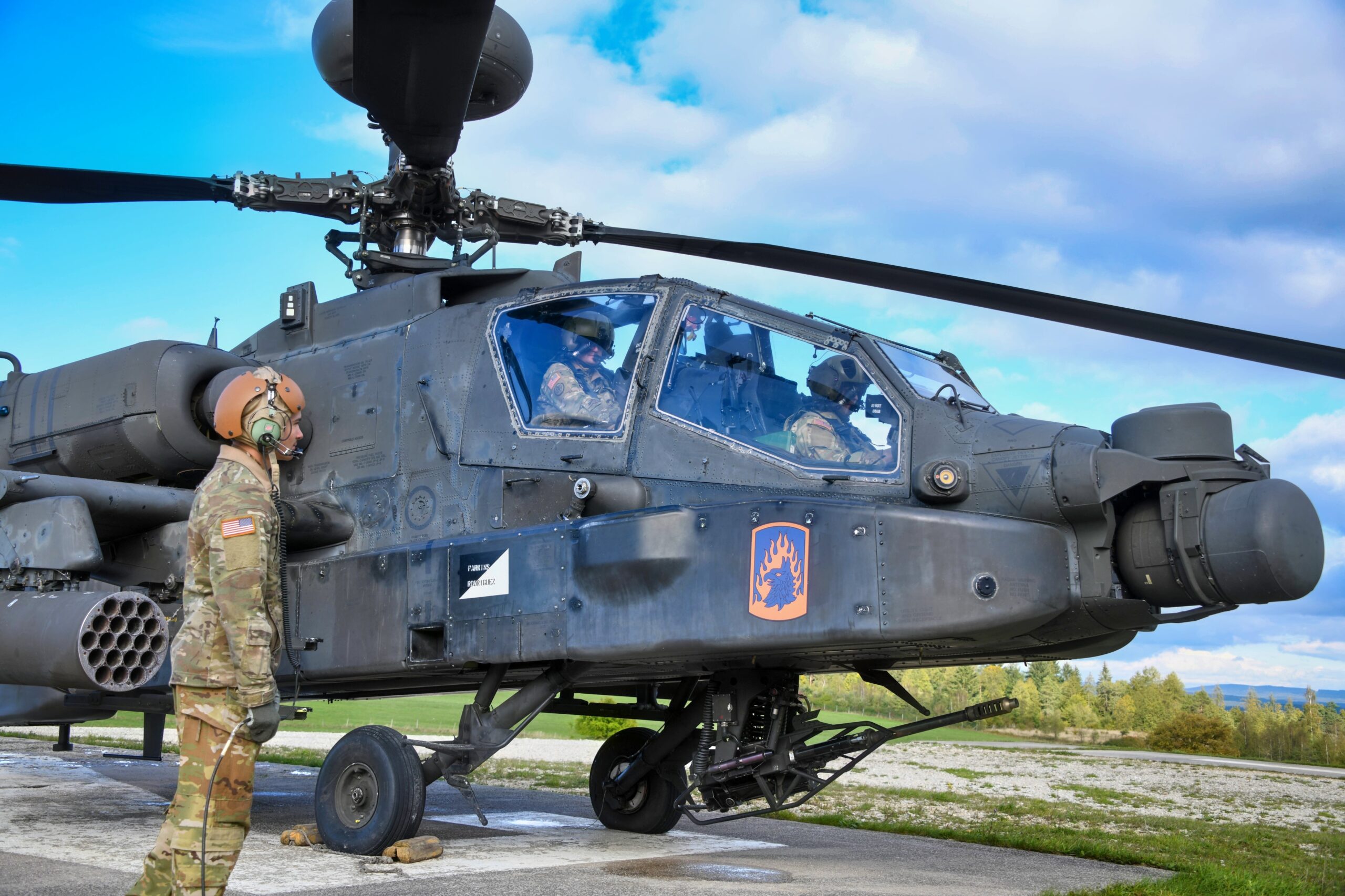
United States officials have not confirmed reports of a downed Apache helicopter in the Strait of Hormuz, despite recent claims circulating regarding potential military escalation in the region. While various international reports have suggested that an American aircraft was shot down by Iranian forces, the Department of Defense has provided no official statement corroborating such an incident as of mid-2024. The speculation follows heightened tensions in the Persian Gulf, a critical maritime chokepoint for global energy supplies.
The uncertainty surrounding these reports has sparked volatility in international financial markets, particularly affecting the price of gold and oil. Investors often react to news of potential conflict in the Middle East by seeking safe-haven assets, though market fluctuations remain sensitive to the lack of official verification from the Pentagon or the White House. According to data tracked by Reuters regarding market stability, geopolitical volatility often leads to rapid, if temporary, shifts in commodity pricing.
Evaluating Claims of Military Escalation
The reports identifying a downed AH-64 Apache helicopter remain unverified by official military channels. In the absence of a confirmed incident report from the U.S. Department of Defense, analysts emphasize the importance of distinguishing between verified military operations and uncorroborated media accounts. Historically, the U.S. Navy and the U.S. Central Command (CENTCOM) maintain established protocols for reporting losses of aircraft or personnel in the Persian Gulf region, typically issuing statements via official press releases or verified social media channels.
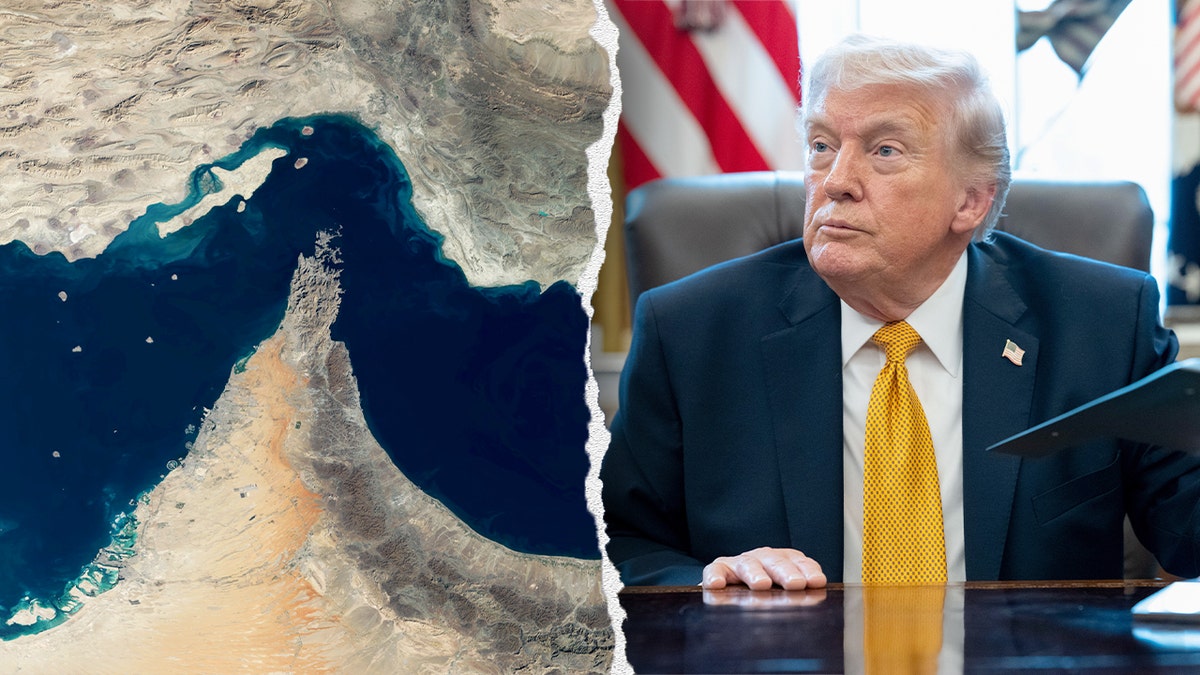
The Strait of Hormuz remains a focal point for global maritime security. Approximately one-fifth of the world’s petroleum consumption passes through this narrow waterway, according to the U.S. Energy Information Administration. Because of its strategic importance, any military movement or incident in this area is subject to intense international monitoring by both state actors and independent maritime tracking services.
Geopolitical Context and Regional Security
Tensions between Washington and Tehran have fluctuated for decades, characterized by periods of increased naval posturing and diplomatic friction. The current discourse surrounding potential military responses is often framed within the broader context of the U.S. policy toward Iran, which includes sanctions and a persistent military presence in the Middle East. Observers note that while rhetoric from various political figures can influence public perception, official U.S. foreign policy is dictated by the State Department and confirmed military directives.
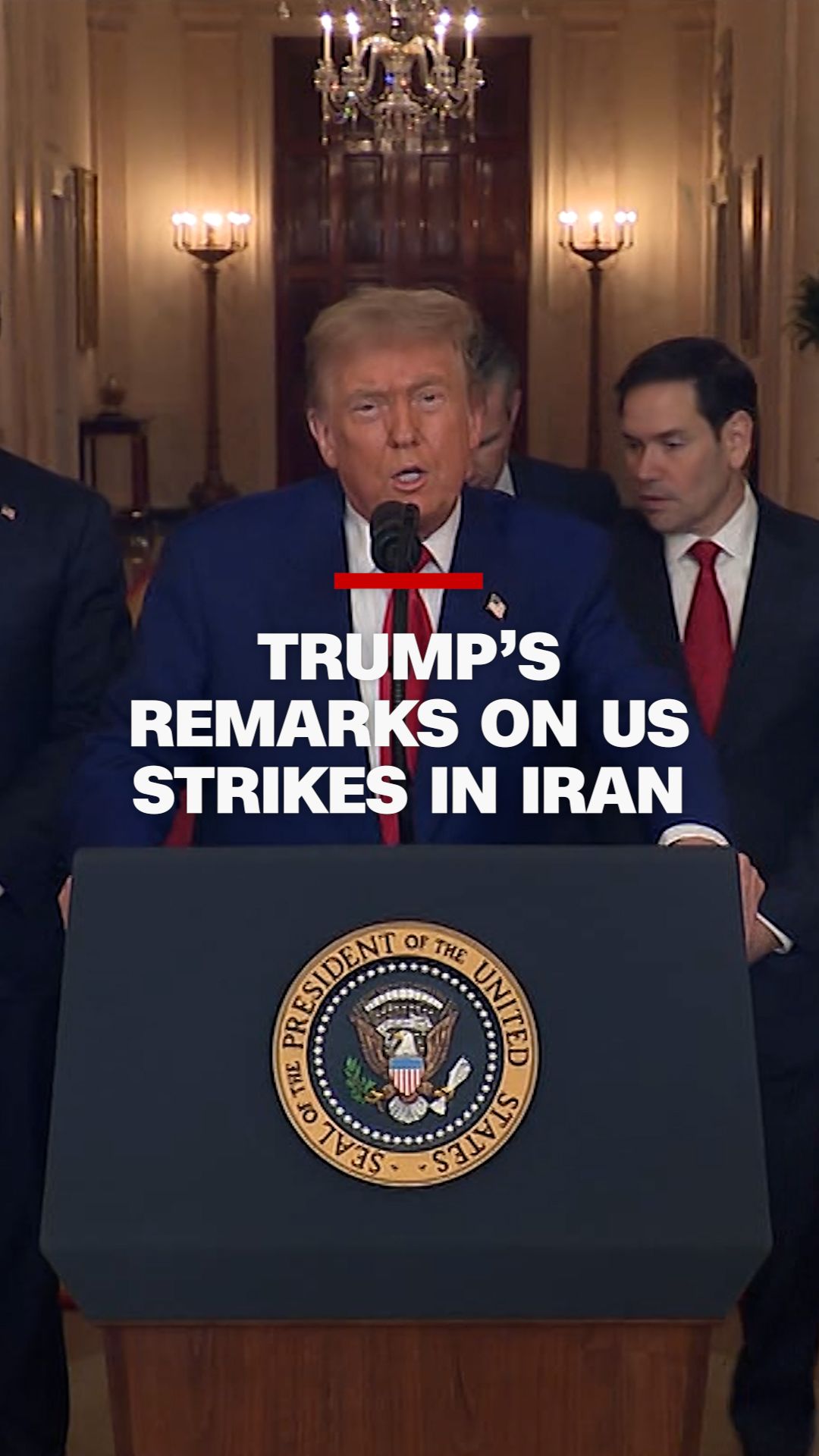
For readers seeking accurate information, it is critical to monitor updates from primary sources rather than third-party aggregators. Official briefings from the Pentagon provide the most reliable data regarding the status of U.S. assets and the safety of service members deployed in the region. Independent verification remains the standard for assessing whether an act of aggression has occurred or if market rumors are driving the narrative.
Market Sensitivity to Conflict Rumors
Financial markets have shown sensitivity to rumors of armed conflict, particularly regarding assets like gold. However, historical trends indicate that such price movements are often driven by speculative trading rather than confirmed military developments. Financial analysts frequently warn that unverified claims of “total victory” or imminent retaliation can create artificial spikes in commodity prices, which often correct once official information becomes available.
The World Gold Council provides comprehensive reports on how geopolitical events influence market behavior. Investors are encouraged to rely on verified intelligence and official government statements to assess the risk of regional instability. As of this writing, there have been no credible reports from international monitoring groups or military agencies to support the claim that an Apache helicopter has been lost in the Strait of Hormuz.
Next Steps and Official Updates
The situation remains fluid, and international observers continue to track activity in the Persian Gulf. The next checkpoint for verified information will be the regular press briefings held by the Department of Defense Press Secretary, where official incident reports are disclosed. Any change in the status of U.S. forces or new developments regarding regional security will be documented in these official transcripts.
Readers are encouraged to verify major news through established government portals and reputable international news agencies. We invite you to share your thoughts or questions in the comments section below as we continue to monitor this developing story for any official confirmation or further updates.
Worth a look