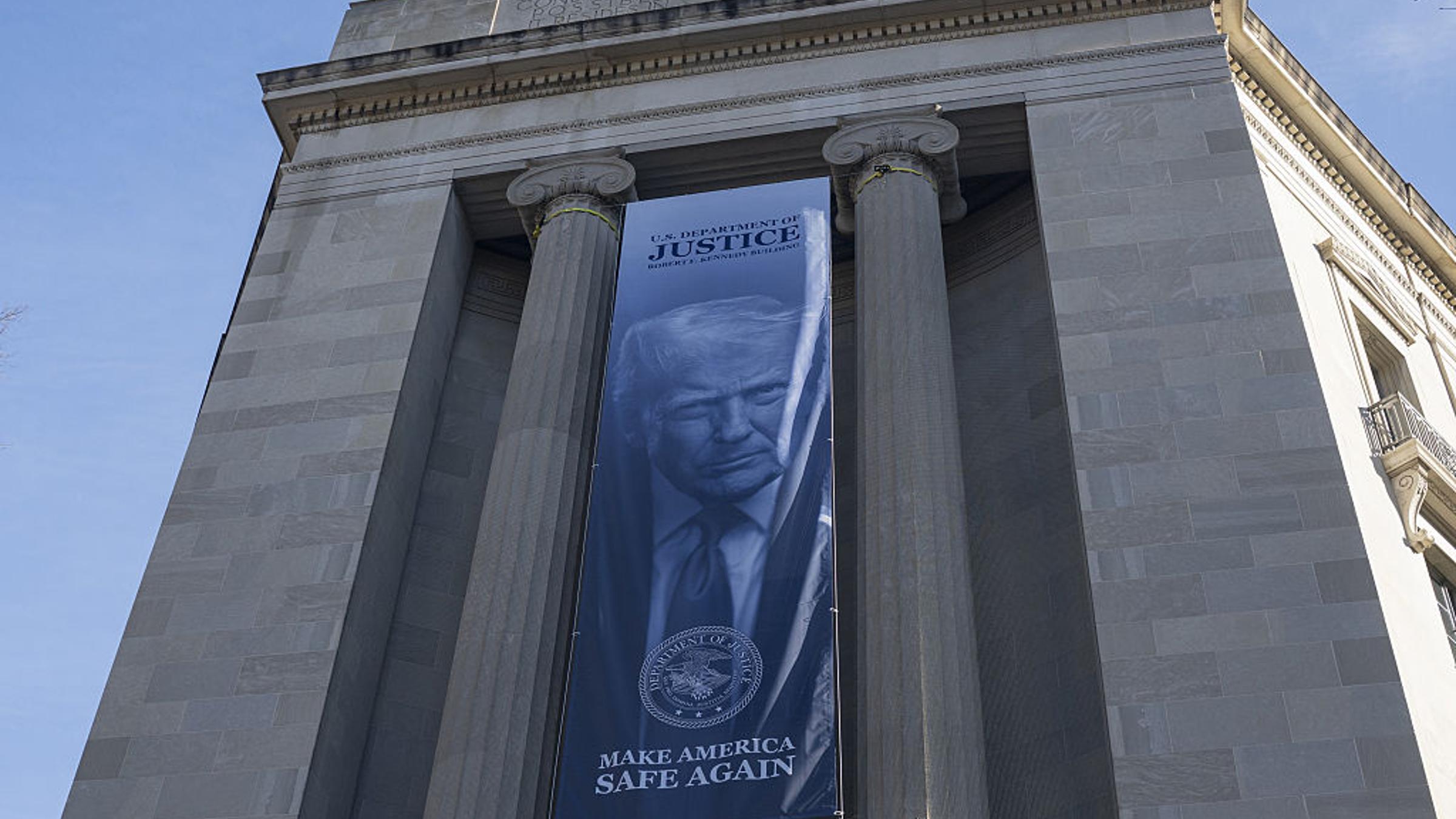
The United States Department of Justice has initiated legal proceedings to strip citizenship from 17 naturalized Americans, marking a significant expansion of the administration’s denaturalization efforts. This action, announced on Monday, follows a similar move last month against 12 other individuals. Federal authorities allege that these citizens secured their status through willful misrepresentation or the concealment of material facts, citing offenses ranging from wire and bank fraud to the distribution of controlled substances and sexual abuse of a minor.
As a financial journalist, I have covered the intersection of policy and institutional integrity for nearly two decades. The current shift toward aggressive denaturalization represents a distinct departure from historical norms, where such revocations were exceptionally rare. By prioritizing these cases, the administration is signaling a zero-tolerance policy toward what it defines as the exploitation of the naturalization process. For naturalized citizens and the broader immigrant community, these developments raise fundamental questions about the stability of legal status and the government’s threshold for pursuing revocation.
The Legal Basis for Denaturalization
The Department of Justice justifies these actions under the Immigration and Nationality Act. According to federal guidelines, a certificate of naturalization can be canceled if it is determined that the status was illegally procured or achieved through the omission of material facts. Acting Attorney General Todd Blanche stated that gaining citizenship is a privilege and emphasized that the department maintains a zero-tolerance policy regarding abuses of this system.

Historically, the legal bar for stripping citizenship has been high, requiring evidence of deliberate deceit. U.S. Citizenship and Immigration Services maintains that revocation is generally reserved for cases where an individual intentionally misrepresents or fails to disclose facts that would have otherwise rendered them ineligible for naturalization. The government now argues that the 17 individuals targeted in this latest effort lacked the good moral character required for citizenship at the time of their application.
Historical Context and Rising Enforcement
The intensity of these proceedings contrasts with previous decades. Data from the National Immigration Forum indicates that during President Trump’s first term, the government filed an average of 42 denaturalization cases annually, a notable increase from the average of 11 cases per year recorded between 1990 and 2017. This trend suggests a sustained institutional focus on identifying and challenging naturalized status in cases of alleged criminal activity or past non-disclosure.
This latest push is part of a broader strategy regarding immigration enforcement. Last year, a Department of Justice memo outlined plans to prioritize denaturalization proceedings for individuals accused of committing felonies not disclosed during the naturalization process or those deemed a potential threat to national security. These efforts occur alongside a wider campaign platform centered on mass deportation and stricter immigration controls.
What Lies Ahead for the Targeted Individuals
For those currently facing action, the road ahead involves complex litigation in federal court. Because denaturalization is a civil process with severe consequences, defendants are entitled to due process. Legal experts have frequently noted that the government carries a heavy burden of proof to demonstrate that an individual’s citizenship was obtained through fraud or misrepresentation. The outcome of these cases will likely be determined by the specific evidence presented regarding the applicants’ disclosures during their original naturalization examinations.
As these cases move through the court system, immigration advocates continue to monitor the administration’s actions closely. The government has not announced a specific date for the next set of filings, but the Department of Justice has indicated its ongoing commitment to pursuing individuals it believes have violated the terms of their citizenship. We will continue to track these filings as they occur and provide updates on any significant judicial rulings that may set precedents for future denaturalization efforts.
Have you or your community been affected by changing immigration policies? We welcome your perspectives and analysis in the comments section below.
- Educational Programs: College, Bachelor’s and Master’s Degrees
- Haddon Township Police Officer Will Not Face Charges in Knife-Wielding Man’s Shooting Death
- Late-Night Hosts Mock Trump’s Failed White House Correspondents’ Dinner Comedy (newsdirectory3.com)
- The Senate Blue Slip, Explained: The Custom Trump Wants Gone (daybreakwire.com)