The Trump administration has proposed a significant increase in the filing fees for individuals seeking naturalized U.S. citizenship, a move that would raise the cost of the N-400 application by as much as 80%. Under the new proposal from the Department of Homeland Security (DHS), the paper filing fee would climb to $1,330, while the online submission fee would reach $1,280, according to official agency documentation.
This initiative marks a shift in how the U.S. government funds the adjudication of immigration benefits. Historically, the U.S. Citizenship and Immigration Services (USCIS) has maintained lower fees for naturalization to encourage legal residents to pursue citizenship. However, the current proposal states that the agency intends to recover the full costs of processing these applications, including enhanced screening and vetting procedures mandated by recent executive orders.
Impact on Fee Waivers and Reduced Costs
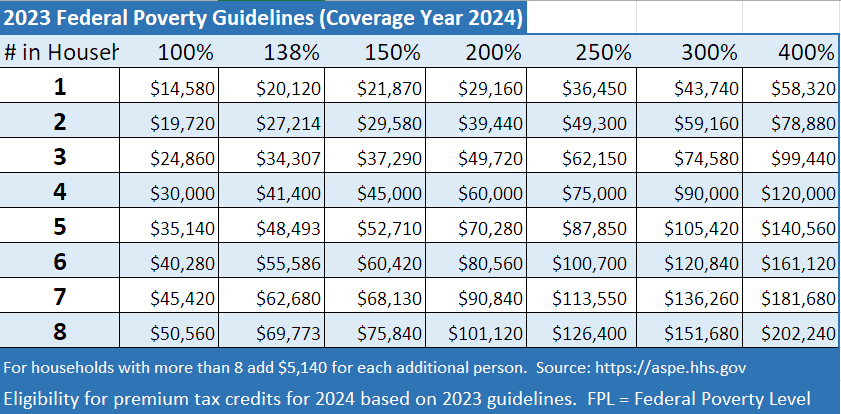
Beyond the base price increase, the DHS proposal seeks to eliminate existing financial protections for lower-income applicants. Currently, immigrants with household incomes at or below 400% of the Federal Poverty Guidelines may qualify for a reduced fee for Form N-400. The proposed rule would remove this option entirely.
Furthermore, the agency plans to end broad fee waivers for naturalization applications. While the proposal aims to streamline cost recovery, it explicitly notes that current and former military service members would remain eligible for fee exemptions. This policy change reflects the administration’s broader objective of shifting the financial burden of adjudication directly onto applicants rather than distributing costs across various immigration form fees.
Shifting Policy on Naturalization Costs
The rationale provided by DHS is that the agency can no longer justify subsidizing the naturalization process through fees collected from other immigration services. In the text of the proposed rule, the department argues that, while citizenship is a significant benefit, the cost of processing those requests should be borne by the applicants themselves to ensure fiscal self-sufficiency for USCIS operations.

This approach diverges sharply from decades of U.S. immigration policy. Aaron Reichlin-Melnick, a senior fellow at the American Immigration Council, noted in a public statement on X that the government has traditionally kept these fees low as a matter of policy to facilitate the integration of permanent residents into the electorate.
For generations, the U.S. government deliberate[ly] kept citizenship application fees low in an effort to encourage the millions of people with green cards to apply. No longer.
— Aaron Reichlin-Melnick (@ReichlinMelnick) January 2026
What Happens Next in the Rulemaking Process
The proposed fee increases are not yet in effect. Federal regulations require that such changes undergo a formal rulemaking process, which includes a mandatory public comment period. During this window, stakeholders, legal experts, and the general public have the opportunity to submit feedback on the proposal.
Once the comment period closes, the DHS must review and respond to the submissions before any final rule can be published in the Federal Register. There is no set timeline for when these changes might be finalized, as the agency must ensure all administrative requirements are met. Prospective applicants are encouraged to monitor the official USCIS forms page for updates regarding filing requirements and fee schedules.
This proposal is part of a wider series of immigration-related actions taken during the second term of the Trump administration. Previous policy shifts have included efforts to restrict legal immigration pathways and the revocation of citizenship status for certain naturalized individuals, actions that have faced scrutiny from civil rights organizations and legal scholars. The debate over whether these fee hikes create an insurmountable barrier for lower-income applicants is expected to be a central theme during the upcoming public comment phase.
As the situation develops, we invite readers to share their perspectives on these changes in the comments section below. Stay tuned to World Today Journal for further updates as the Department of Homeland Security moves toward the next stage of this regulatory update.
Related reading