
Social determinants of health—the conditions in which people are born, grow, live, and work—frequently exert a greater influence on long-term disease outcomes than genetic predisposition alone. While clinical focus has historically prioritized polygenic risk scores and hereditary markers, recent epidemiological research suggests that environmental, economic, and behavioral factors often serve as more accurate predictors of chronic illness development.
Public health experts are increasingly shifting their focus toward these non-clinical variables, arguing that the “social exposome” provides a more comprehensive view of patient health. According to the World Health Organization, these factors account for the majority of health inequities worldwide, often acting as the primary drivers behind the prevalence of cardiovascular disease, diabetes, and respiratory conditions.
The Shift from Genetic Determinism to Social Context
For decades, medical research operated under the assumption that an individual’s DNA map provided the most reliable roadmap for their future health. However, data from large-scale longitudinal studies indicate that genetic risk is rarely an isolated variable. Instead, genetic susceptibility often remains latent until triggered by environmental stressors such as air quality, nutritional access, and socioeconomic stability.

The Centers for Disease Control and Prevention (CDC) defines these social determinants as the conditions in the places where people live, learn, work, and play. These variables include access to high-quality healthcare, educational attainment, and neighborhood safety. When these elements are compromised, the risk of chronic disease rises significantly, often overriding the protective benefits of a low-risk genetic profile.
Quantifying the Impact of Social Factors
Researchers have begun to quantify this disparity by comparing health outcomes in populations with identical genetic markers but vastly different living conditions. In studies of metabolic syndrome, for instance, individuals residing in “food deserts”—areas with limited access to affordable, nutritious food—demonstrate a significantly higher incidence of Type 2 diabetes, regardless of their family history.
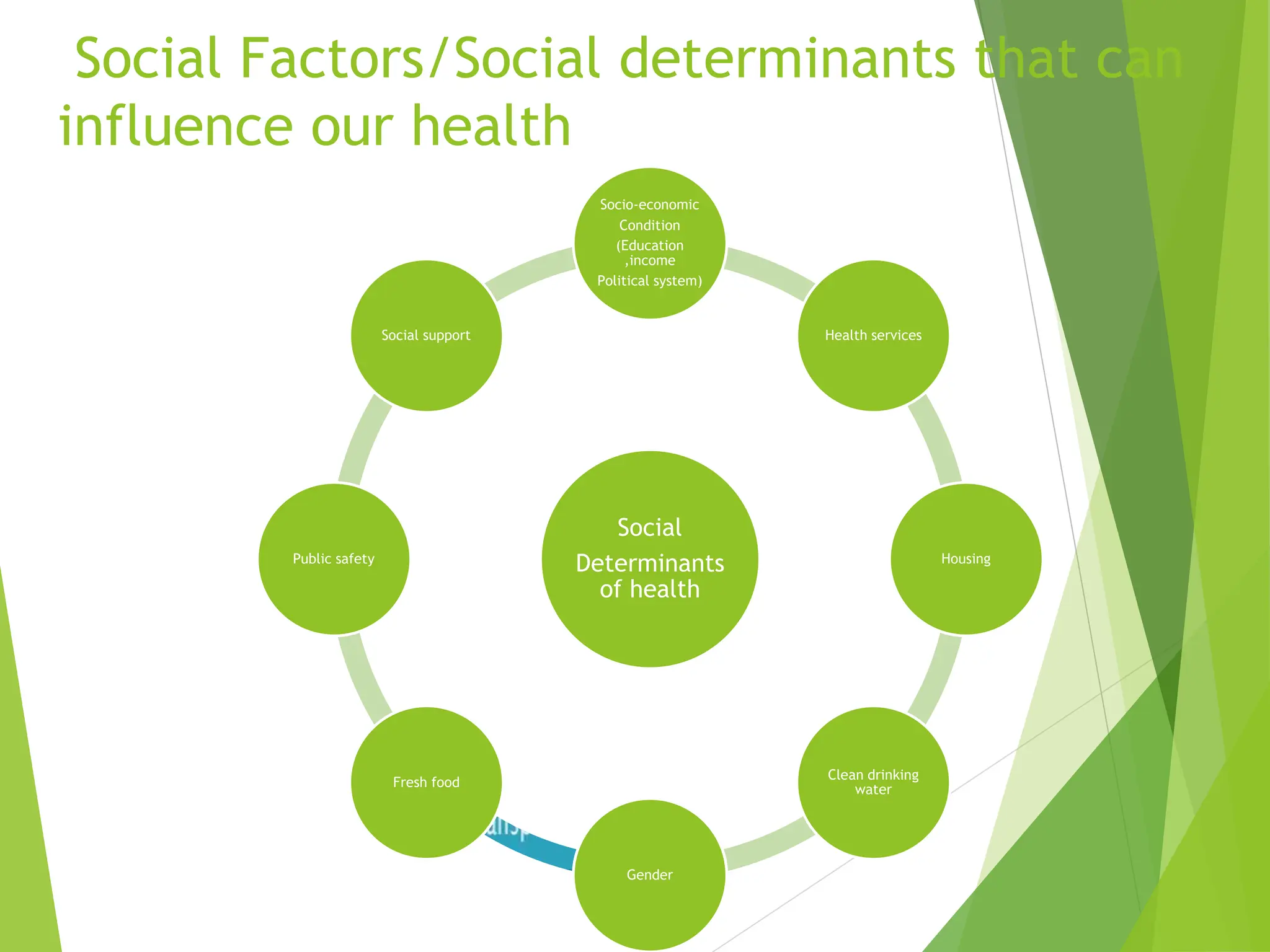
A report published by the National Academies of Sciences, Engineering, and Medicine highlights that the integration of social data into electronic health records (EHRs) improves the accuracy of risk prediction models. By incorporating zip codes, income levels, and employment status into clinical algorithms, physicians can identify high-risk patients who might otherwise be overlooked by genetic screening alone. This approach represents a transition toward precision public health, which balances individual biology with the broader social environment.
Why Clinical Integration Matters
The practical application of this knowledge is changing how healthcare systems allocate resources. If a patient’s primary risk factor for hypertension is not hereditary but rather related to chronic stress from housing instability or poor neighborhood walkability, prescribing medication without addressing the social context often yields limited results.
According to the New England Journal of Medicine, addressing social needs is essential for effective secondary prevention. Hospitals and clinics are increasingly employing “social workers in the exam room” to connect patients with community resources, such as food pantries, housing assistance programs, and transportation services. This integrated model treats the patient as a whole rather than a collection of genetic markers.
Challenges in Data Collection and Privacy
Despite the clear utility of social data, the medical community faces significant hurdles in implementation. Unlike standardized genetic testing, social determinants are fluid and difficult to measure consistently across different regions and populations. Concerns regarding patient privacy and the potential for systemic bias in algorithmic predictions remain at the forefront of policy discussions.
The U.S. Department of Health and Human Services (HHS) continues to provide guidance on how healthcare providers can collect social data while maintaining compliance with the Health Insurance Portability and Accountability Act (HIPAA). Standardizing these metrics remains a priority for international health bodies, which seek to create a universal framework for assessing social risk in clinical settings.
Looking Toward Future Health Policy
The next phase of medical innovation will likely involve the development of “social risk scores” that function alongside polygenic risk scores. By synthesizing these two datasets, healthcare providers aim to create more personalized prevention strategies. This shift requires not only technological updates but also a fundamental change in how medical students are trained to view the relationship between societal structures and individual physiology.
As the global medical community continues to refine these predictive models, the emphasis remains on moving beyond the clinic walls. Future updates from the Lancet Commission on Social Determinants of Health are expected to provide further evidence on the long-term efficacy of community-based interventions. Readers interested in tracking these developments can follow official bulletins from the German Federal Ministry of Health or the European Commission’s Directorate-General for Health and Food Safety for updates on policy-driven health equity initiatives.
Have you encountered questions about how your environment influences your long-term health outcomes? Please share your thoughts or join the conversation in the comments section below.
Worth a look