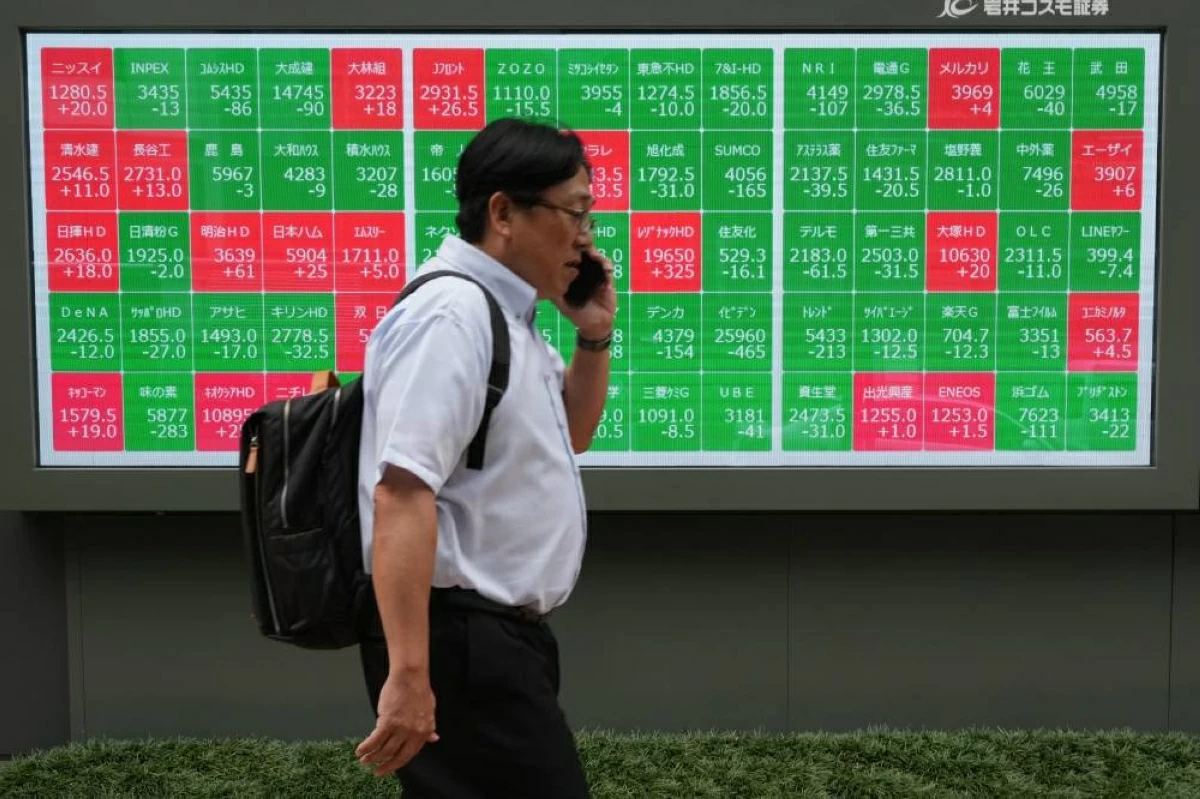
Asian equities retreated in recent trading sessions, as the Nikkei 225 index halted an eight-day winning streak that had propelled Japanese markets to record historical highs. Investors moved to lock in profits following a period of aggressive growth, fueled largely by optimism surrounding artificial intelligence and corporate governance reforms, according to market data reported by Reuters. The pullback reflects a broader recalibration of risk across regional indices as participants assess whether the current valuations remain sustainable in the near term.
The Nikkei 225 index, which serves as a primary barometer for the Japanese economy, has faced significant volatility after breaching key psychological thresholds earlier this year. While the index recently surpassed the 39,000-point mark—a level not seen since the peak of the Japanese asset price bubble in 1989—the recent pause marks a period of consolidation. Financial institutions, including Citigroup Inc., have previously adjusted their outlooks upward, citing structural shifts in corporate profitability and increased foreign institutional interest, though these projections remain subject to shifting macroeconomic conditions.
Drivers of the Japanese Market Rally
The recent surge in Japanese equities has been underpinned by a combination of domestic policy changes and global technological trends. According to the Tokyo Stock Exchange, ongoing initiatives to improve capital efficiency among listed companies have encouraged investors to increase their holdings. These reforms, which focus on price-to-book ratios and increased dividend payouts, have transformed the Japanese market into a more attractive destination for international capital.

Simultaneously, the global enthusiasm for artificial intelligence hardware and semiconductor manufacturing has provided a significant boost to Japan’s export-oriented tech sector. Companies tied to the semiconductor supply chain have seen their share prices appreciate as demand for advanced computing components remains elevated. However, the sensitivity of these stocks to global interest rate cycles, particularly those dictated by the U.S. Federal Reserve, continues to introduce a layer of uncertainty for short-term traders.
Regional Impact and Investor Sentiment
The cooling of Japanese markets has had a ripple effect across other major Asian exchanges. Markets in Hong Kong, South Korea, and Australia have shown signs of fatigue, with investors expressing caution regarding the pace of recovery in the Chinese manufacturing sector. The International Monetary Fund has noted that regional growth prospects are heavily contingent upon the stabilization of global demand and the mitigation of inflationary pressures, which remain persistent in several developed economies.
For many institutional investors, the current environment is defined by a “wait-and-see” approach. While the long-term outlook for Japan remains supported by structural tailwinds, the immediate focus has shifted toward upcoming central bank policy meetings. Decisions regarding the Bank of Japan’s ultra-loose monetary policy, specifically the potential for a pivot away from negative interest rates, remain the most significant variable for currency markets and, by extension, equity valuations.
What Lies Ahead for Equity Markets
Market participants are now closely monitoring the next round of corporate earnings reports and economic indicators scheduled for release in the coming weeks. These data points will offer a clearer picture of whether the recent correction is merely a temporary pause or the beginning of a broader trend reversal. Analysts at major financial firms generally emphasize that while short-term volatility is expected, the underlying fundamentals of Japanese corporations have improved compared to the previous decade.

Investors looking for further updates on market performance can consult the official daily summaries provided by the Japan Exchange Group, which publishes comprehensive data on index movements and trading volumes. As the fiscal year approaches its conclusion in March, analysts anticipate increased activity from domestic pension funds and institutional rebalancing, which may further influence price action. Please share your thoughts in the comments section below regarding the outlook for global markets in the current quarter.
Worth a look