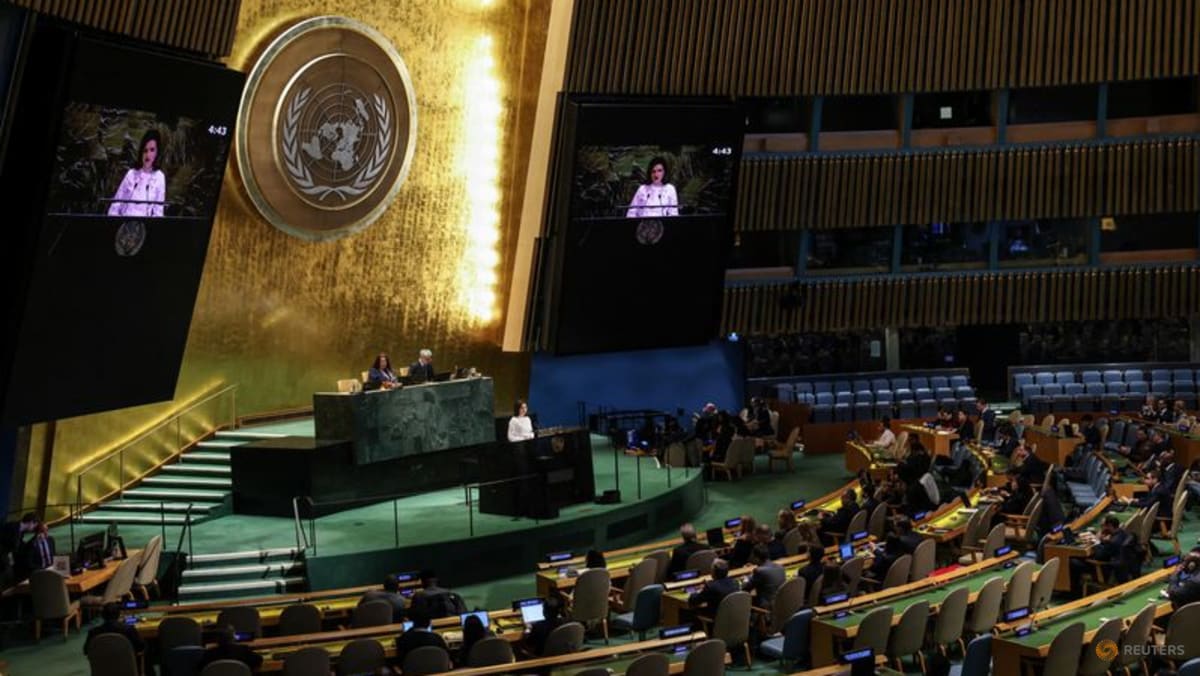
New York, NY – The United States abstained from a United Nations General Assembly vote on February 24, 2026, regarding a resolution in support of Ukraine, signaling a complex shift in its approach to the ongoing conflict with Russia. This move, coupled with recent statements from the Trump administration, has raised questions about the future of U.S. Policy towards Ukraine and the broader geopolitical landscape. The abstention follows a pattern of evolving U.S. Engagement, as the administration seeks a negotiated end to the war, even if it requires compromises from both sides.
The resolution, while calling for a comprehensive and lasting peace, included language the U.S. Delegation felt could hinder ongoing diplomatic efforts. Ambassador Tammy Bruce, Deputy Representative of the United States to the United Nations, explained the decision, stating that the U.S. Continues to “devote energy and effort at the highest levels to bring both Russia and Ukraine closer to a negotiated agreement that will finally end the bloodshed and destruction.” She acknowledged that achieving peace would be difficult, requiring “sacrifices and compromises” from all parties involved. The U.S. Is actively urging all involved to “lower the rhetoric and engage in good faith” negotiations.
Shifting U.S. Policy and the Search for a Negotiated Settlement
This abstention marks a notable departure from previous U.S. Stances, though it doesn’t represent a complete abandonment of support for Ukraine. Under President Trump’s leadership, the administration is prioritizing a swift resolution to the conflict, even if it means accepting a less-than-ideal outcome. This approach reflects a broader skepticism towards prolonged international engagements and a focus on direct negotiation. The administration believes a deal is closer than it has been at any point since the war began, and is pushing for a resolution to prevent another anniversary of the conflict.
The U.S. Position is complicated by the ongoing need to balance support for Ukraine’s sovereignty and territorial integrity with the desire to de-escalate the situation and prevent further loss of life. The abstention on the General Assembly resolution was accompanied by a vote on specific paragraphs, ultimately choosing to abstain on the overall resolution due to concerns about language that could distract from ongoing negotiations. This suggests a willingness to support elements of the resolution while simultaneously protecting the space for direct talks.
Ukraine’s Response and Calls for Increased Pressure
Ukraine has expressed frustration with the U.S. Abstention and continues to advocate for stronger measures against Russia. Ukraine’s Ambassador to the US, Olga Stefanishyna, has urged the Trump administration to intensify pressure on Russia, arguing that dialogue alone is insufficient to compel a change in behavior. “We hope that the US government this particular day… will get to the understanding that the language which is understood by Russians is not the dialogue or diplomatic effort, it’s the pressure,” Stefanishyna reportedly told reporters. She specifically called for the passage of legislation imposing tariffs and secondary sanctions on countries doing business with Russia, aiming to cripple its economy and limit its ability to finance the war.
Stefanishyna also emphasized Ukraine’s urgent need for air defenses, particularly as Russia intensifies its attacks on civilian infrastructure during the winter months. This plea for assistance underscores the immediate challenges facing Ukraine on the ground and the critical role of external support in bolstering its defense capabilities. The situation is particularly dire as Russia continues to target critical infrastructure, impacting the lives of ordinary citizens and exacerbating the humanitarian crisis. Channel NewsAsia reported on the hardships faced by Ukrainians during the winter months as the war continues.
The Role of the UN and International Diplomacy
The U.S. Abstention also highlights the limitations of the United Nations Security Council in addressing the Ukraine crisis. Russia, as a permanent member, has consistently used its veto power to block resolutions critical of its actions. This has historically paralyzed the Council’s ability to respond effectively to the conflict. The recent passage of a Russian-backed resolution, which focused on peace but did not address Ukraine’s territorial integrity, further illustrates the challenges of navigating the geopolitical complexities within the UN system.
Despite these challenges, the U.S. Remains committed to exploring all diplomatic avenues to achieve a lasting peace. Ambassador Bruce stressed the importance of political will in ending the war, emphasizing that a deal is within reach. However, the path to a resolution remains uncertain, and the success of ongoing negotiations will depend on the willingness of all parties to compromise and engage in good faith. The U.S. Is actively working with both Russia and Ukraine to bridge the gap and forge an agreement on outstanding issues.
Trump’s Previous Statements and Policy Shifts
President Trump’s approach to Ukraine has evolved over time. In September 2025, during his address to the United Nations General Assembly, Trump criticized the UN as irrelevant and called on European allies to increase their financial contributions to the organization. A YouTube video documents this speech. He also suggested, at that time, that Ukraine could potentially reclaim territory from Russia, a significant shift from his earlier rhetoric which hinted at Ukraine conceding territory to Russia. This earlier suggestion signaled a potential willingness to reconsider previous positions and explore options for a more assertive approach to the conflict.
This shift in policy, coupled with the recent abstention at the UN, suggests a more nuanced and pragmatic approach to the Ukraine crisis. The administration appears to be prioritizing a swift resolution, even if it requires difficult concessions from both sides. This strategy reflects a broader foreign policy agenda focused on protecting U.S. Interests and avoiding prolonged international engagements.
Looking Ahead: Key Considerations and Potential Outcomes
The coming months will be critical in determining the future of the Ukraine conflict. The success of U.S. Diplomatic efforts will depend on several factors, including Russia’s willingness to engage in meaningful negotiations, Ukraine’s ability to maintain its defense capabilities, and the continued support of international allies. Any potential settlement will likely require significant compromises from both sides, including discussions on territorial issues, security guarantees, and economic reconstruction.
Ukraine has stated that any deal to end the war must include powerful security guarantees from the U.S. And the European Union. These guarantees would be essential to deter future aggression and ensure Ukraine’s long-term security. The specifics of these guarantees remain a subject of negotiation, but they are likely to include commitments to military assistance, economic support, and political cooperation.
The U.S. Abstention at the UN, while controversial, reflects a calculated attempt to create space for direct negotiations and advance the prospects for a peaceful resolution. The administration believes that a negotiated settlement is the best way to end the bloodshed and prevent further escalation of the conflict. However, the path to peace remains fraught with challenges, and the outcome remains uncertain.
The next key development to watch will be the progress of ongoing negotiations between the U.S., Russia, and Ukraine. Further updates on these talks are expected in the coming weeks, and will provide a clearer indication of the potential for a breakthrough. Readers are encouraged to follow World Today Journal for continued coverage of this evolving situation.
What are your thoughts on the U.S. Abstention at the UN? Share your comments below and join the conversation.