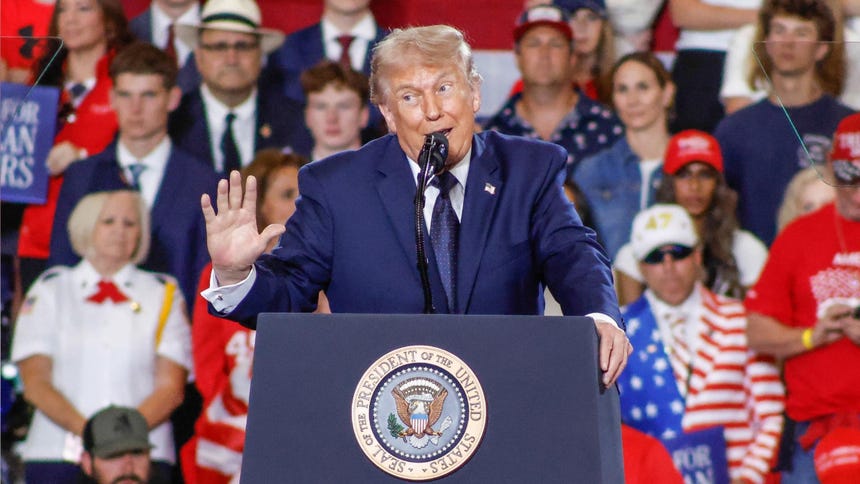
The Trump administration has announced a significant shift in immigration policy, requiring most individuals seeking permanent residency—commonly known as a green card—to initiate their applications from outside the United States. This policy change represents a departure from previous administrative practices, impacting how foreign nationals currently residing within the country navigate the path to legal permanent status.
As the administration moves to implement these new procedures, the focus has shifted toward the role of U.S. Citizenship and Immigration Services (USCIS) in managing the transition. For many, the primary question involves how this mandate will affect those already present on temporary visas who were previously eligible to adjust their status without departing the country.
Understanding the New Residency Application Requirements
The core of this policy change centers on the requirement for most green card applicants to process their paperwork through consular offices abroad. According to reports regarding the administration’s latest directives, the shift is intended to standardize the application process and ensure that residency requests are handled through the traditional consular path. This adjustment is part of a broader effort by the administration to tighten immigration procedures, which has also included stricter protocols for work authorization filings managed by U.S. Citizenship and Immigration Services (USCIS).
For applicants, Which means that the availability of “adjustment of status”—a process that allowed certain individuals to change their immigration category while remaining within U.S. Borders—is becoming significantly more restricted. Legal experts have noted that such changes often carry profound implications for families and professionals currently holding temporary status, as the logistical and financial burdens of international travel and extended processing times abroad can be substantial.
Impact on Foreign Nationals and Temporary Visa Holders
The transition is expected to affect a wide range of individuals, including those on H-1B, L-1, and other non-immigrant visas who may have been planning to transition to permanent residency. By requiring these applicants to exit the country, the administration is effectively altering the timeline and predictability of the immigration process.
While the administration maintains that these measures are necessary to ensure the integrity of the immigration system, critics argue that the policy creates unnecessary barriers for individuals who have already been vetted and are contributing to the U.S. Economy. The requirement to apply from outside the country also introduces new variables, such as potential delays in consular processing, which can vary significantly depending on the specific embassy or consulate where the applicant is required to appear.
Navigating the Legal Landscape
For those currently in the process of applying for a green card, It’s essential to consult with qualified legal counsel to understand how these changes apply to their specific situation. Documentation requirements and processing timelines are subject to change, and the Department of State provides ongoing updates regarding visa availability and consular operations via the U.S. Department of State Bureau of Consular Affairs.
The broader context of these policy changes is marked by a period of active litigation and administrative maneuvering. As the administration continues to roll out various immigration-related directives, stakeholders are closely monitoring both federal court filings and official notices from the Department of Homeland Security. These updates are critical for understanding whether certain categories of applicants may still qualify for exemptions or if the new rules will be applied universally across all visa classes.
Key Considerations for Applicants
- Verify Status: Individuals should verify their current visa status and any pending applications with their legal advisors.
- Monitor Official Channels: Stay updated through official government portals, including the USCIS Newsroom for the latest policy alerts and operational guidance.
- Consular Planning: For those who may be required to depart, identifying the correct consular post and understanding local processing times is a vital step in mitigating potential disruptions.
As of May 24, 2026, the administration has not provided a comprehensive exemption list, and the legal community remains in a state of heightened vigilance regarding the practical application of these rules. We will continue to track further developments and any forthcoming clarifications from the Department of Homeland Security regarding implementation timelines. We invite our readers to share their perspectives or questions in the comments section below as we continue to follow this evolving story.
Keep reading