
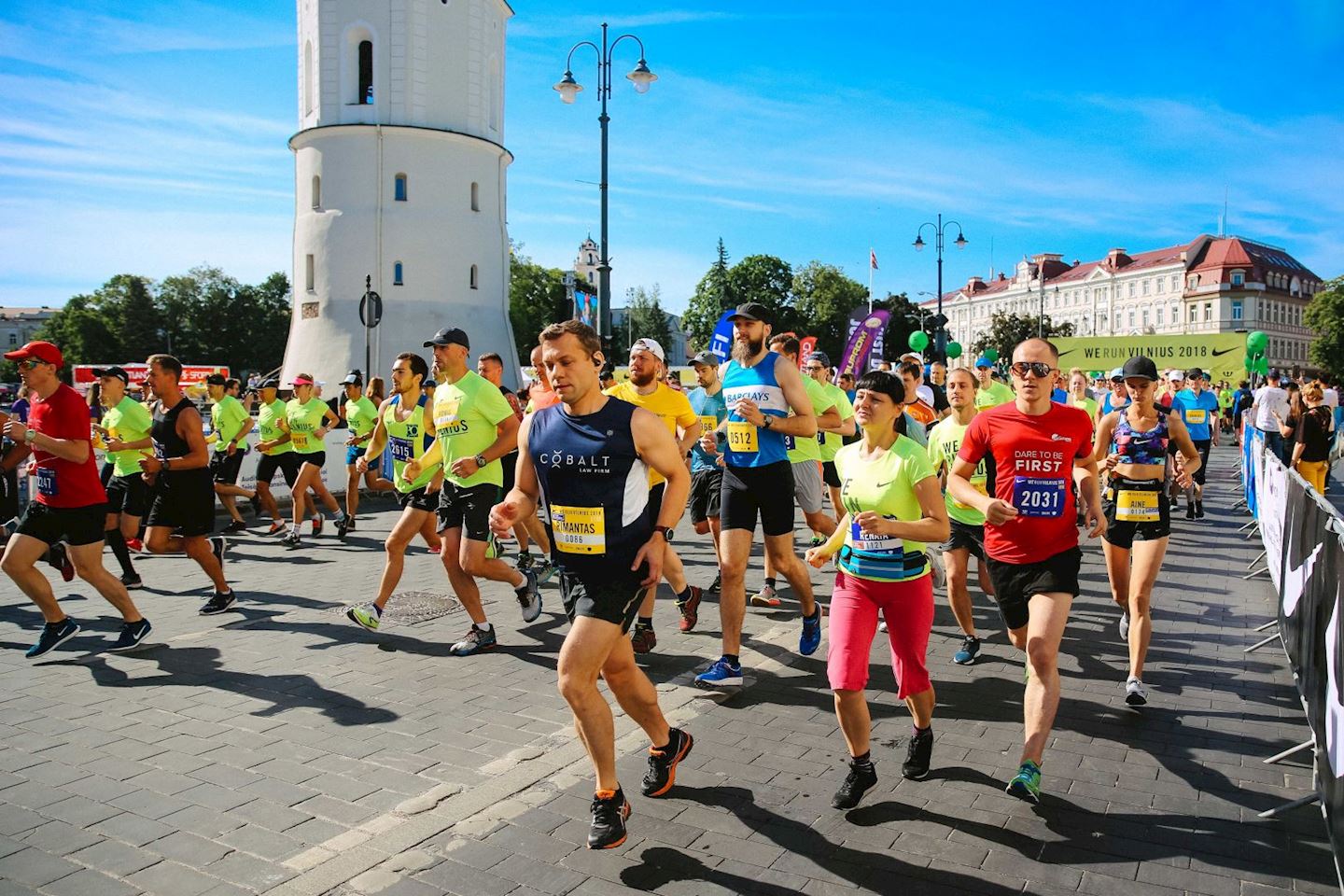
Vilnius, the historic capital of Lithuania, transformed into a vibrant hub of athletic activity this Saturday, May 23, 2026, as the city hosted its largest annual half-marathon event. Thousands of participants, ranging from seasoned professional athletes to recreational runners, took to the streets to navigate a course that wound through the heart of the Baltic state’s most populous city. The event, which has become a staple of the Lithuanian spring calendar, necessitated significant logistical coordination to accommodate the influx of runners and spectators.
As the city celebrated this major running event, the atmosphere was defined by a mix of physical challenge and community spirit. The “We Run Vilnius” initiative, recognized as the largest spring run in the country, drew participants to the streets to experience the city’s unique blend of architecture and history, often described as the “Jerusalem of the North” for its rich cultural heritage. According to the Vilnius City Municipality, the event required comprehensive traffic management plans to ensure both the safety of the athletes and the continued mobility of city residents throughout the day.
Navigating the Capital: Traffic and Transit Adjustments
Hosting a major public race in a city center that dates back to the 14th century presents unique urban planning challenges. With a population of over 617,000 residents as of early 2026, Vilnius utilized strategic road closures to clear the course for the half-marathon participants. The municipal government implemented temporary traffic restrictions, which were communicated to the public in advance to mitigate the impact on daily routines. These measures included diversions for automotive traffic and adjustments to public transport routes, which are critical for a city where the central business district and the historic Old Town serve as primary transit corridors.
For those navigating the city, the municipality advised checking updated transit schedules to account for the temporary suspension of certain bus and trolleybus lines. The coordination of these logistics is part of a broader effort by the Vilnius City Municipality to balance large-scale public events with the functional needs of a growing metropolitan area. Residents and visitors were encouraged to utilize official municipal portals for real-time updates regarding road access and public transit status during the hours of the event.
The Significance of the Spring Marathon
The “We Run Vilnius” half-marathon serves as more than just a sporting competition; it acts as a seasonal marker for the city. Bringing together diverse groups of people, the event highlights the city’s commitment to promoting an active lifestyle. Participants had the opportunity to run past some of the most iconic landmarks in the region, including the Upper Castle remains and the historic Gediminas’ Tower, which stands as a symbol of the city’s resilience and history.
The demographic reach of the event continues to grow, attracting international attention as the Baltic states increasingly position themselves as destinations for major regional athletic events. By integrating the race into the urban core, organizers provide a platform that showcases the city’s infrastructure and its capacity to manage large-scale logistics effectively. As Vilnius continues to develop as a key center within the European Union, such events underscore its evolving identity as a modern, accessible, and active European capital.
Moving Forward: Next Steps for Residents
With the event successfully concluded on Saturday, the primary focus for city officials has shifted to the restoration of normal traffic flow and the cleaning of the race routes. Residents are advised that while major roads have reopened, minor adjustments to transit schedules may persist briefly as municipal crews finalize the removal of event infrastructure. For the most current information regarding transit routes and city operations, citizens should monitor official updates provided by the Vilnius public transport authority.
The success of this year’s half-marathon sets a precedent for upcoming summer events in the capital. As the city looks toward the remainder of the year, the focus remains on maintaining the balance between hosting vibrant cultural and athletic gatherings and ensuring the seamless operation of municipal services. We invite our readers to share their experiences from the race in the comments section below, and stay tuned for further updates on upcoming city-wide initiatives and municipal developments.
Keep reading